



What's Happening?
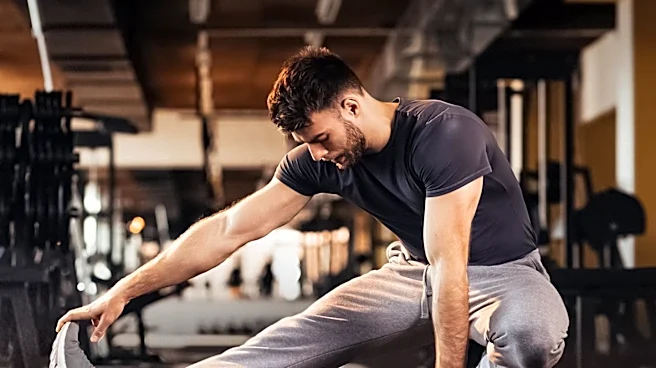
Assisted stretching, a fitness trend where a specialist guides individuals through controlled movements to improve mobility and range of motion, is gaining traction. This service is offered at various gyms, studios, and physical therapy practices. The
process involves a trained practitioner using techniques such as proprioceptive neuromuscular facilitation (PNF) to enhance flexibility and joint range of motion. While assisted stretching is not a cure-all, it provides personalized attention and can be more effective than self-stretching. The trend is particularly appealing to those who sit for long periods, train intensively, or feel chronically tight. Despite its benefits, assisted stretching should not replace medical treatment for injuries or health conditions.
Why It's Important?
The rise of assisted stretching reflects a growing interest in personalized fitness and recovery solutions. As people seek ways to enhance their physical well-being, services like assisted stretching offer tailored approaches that can complement traditional workouts. This trend highlights a shift towards more specialized fitness services, potentially impacting the broader fitness industry by increasing demand for trained professionals and specialized facilities. It also underscores the importance of mobility and flexibility in overall health, which can lead to a more informed public about the benefits of comprehensive fitness regimens.
What's Next?
As the popularity of assisted stretching grows, more gyms and wellness centers may incorporate it into their offerings. This could lead to increased training opportunities for fitness professionals and the development of new techniques and protocols. Additionally, further research into the long-term benefits of assisted stretching could solidify its place in fitness routines. Consumers may also see more options for personalized fitness services, catering to specific needs and preferences.