





What's Happening?
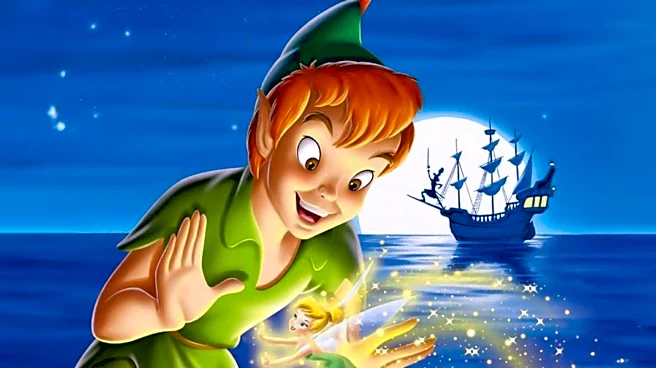
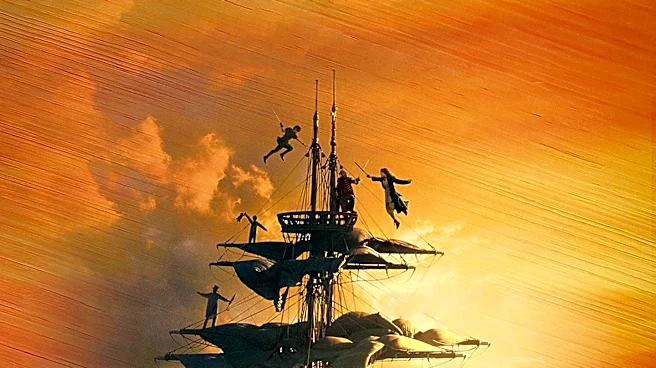
TikToker Toni Kulusich, known as @babytoni99, has gone viral for her videos interacting with Peter Pan at Disneyland, igniting a widespread debate about 'Disney adults' and appropriate behavior at theme parks. Kulusich's content, which includes clips
of her gifting Peter Pan a crocheted duck, kissing him on the cheek, and playfully proposing, has garnered millions of views and a significant backlash. Critics question whether her decade-long fandom crosses a boundary, while Kulusich, 27, defends her actions as a way to 'release my inner child' within the park. Former Disney cast members have weighed in, describing frequent encounters with overly attached or obsessive guests. Justin Sanger, a former character performer for nine years, noted that 'adult stalkers are much more common than you would think,' particularly affecting female characters. Rob Millerick, another former performer, recounted an experience with an obsessive young parkgoer while playing Nick Wilde, which ultimately contributed to his decision to leave. Disney did not respond to requests for comment on employee training for difficult guest interactions, but its foundational training emphasizes safety, courtesy, show, and efficiency.
Why It's Important?
The viral phenomenon surrounding Toni Kulusich's interactions with Peter Pan at Disneyland highlights a growing cultural discussion in the U.S. about 'Disney adults' and the boundaries of fan engagement at theme parks. This debate is significant because it touches upon the commercialization of fantasy, the psychological impact of escapism, and the safety and well-being of theme park employees. The experiences shared by former cast members, detailing instances of stalking and inappropriate behavior from adult guests, underscore a serious issue that affects the working conditions and emotional labor of those who bring beloved characters to life. This situation prompts a re-evaluation of how theme parks manage guest interactions, particularly with adult fans who may blur the lines between fantasy and reality. The discussion also reflects broader societal trends in online behavior, where viral content can quickly escalate into public scrutiny and debate, influencing perceptions of acceptable social conduct. For Disney, this controversy could necessitate a review of its policies and training for character performers to ensure their safety and to maintain the magical experience for all guests without enabling problematic behavior.
What's Next?
The ongoing debate sparked by Toni Kulusich's viral videos is likely to continue influencing public perception and discussions around 'Disney adults' and theme park etiquette. While Disney has not yet issued a public statement, the increased scrutiny could prompt the company to review and potentially update its guidelines for character interactions and guest behavior to better protect its cast members. This might include clearer communication to guests about appropriate conduct, enhanced training for performers on handling difficult situations, or more visible security measures. Social media platforms may also see a continued influx of content related to this topic, with both supporters and critics of 'Disney adults' sharing their perspectives. For individuals like Kulusich, the viral attention could lead to further engagement with her content or a decision to adjust her approach to park visits. Ultimately, this incident serves as a catalyst for a broader conversation about the balance between fostering a magical experience and ensuring a safe and respectful environment for both guests and employees at popular entertainment venues.
Beyond the Headlines
The 'Disney adult' phenomenon, exemplified by Toni Kulusich's viral videos, delves into deeper psychological and cultural implications within American society. The desire for adults to 'release their inner child' at theme parks speaks to a broader yearning for escapism and nostalgia in an increasingly complex world. This trend can be seen as a manifestation of a culture that often delays traditional markers of adulthood or seeks comfort in idealized childhood memories. However, when this desire for fantasy blurs into inappropriate behavior, as described by former cast members, it raises ethical questions about the responsibilities of consumers and the boundaries of commercialized entertainment. The power dynamics between guests and character performers, who are often young individuals tasked with maintaining a persona, become particularly salient. This situation highlights the emotional labor involved in service industries and the potential for exploitation when professional boundaries are not clearly defined or enforced. Culturally, the debate reflects a tension between individual expression and collective social norms, particularly in public spaces. The long-term implications could include a re-evaluation of how theme parks cultivate their brand image, balancing the allure of fantasy with the practicalities of managing diverse guest behaviors and ensuring employee welfare.