







What's Happening?
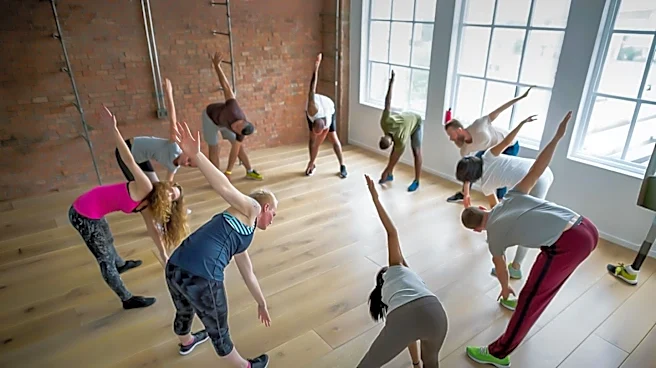
Fitness retreats provide structured programs focusing on movement, strength, and often cold water exposure within scenic environments. These retreats are designed to offer a challenging yet rewarding experience, leaving participants feeling invigorated.
They are available throughout the year and vary significantly in their focus and location. For instance, the desert Southwest, including Arizona and Sedona, is known for spa and wellness stays during cooler months. California and Colorado are popular for hiking and fitness retreats, while the Berkshires and New England offer meditation and all-around wellness experiences. These programs often include personalized nutrition plans, restorative therapies, and fitness regimens tailored to individual goals and desired outcomes. The offerings range from gentle spa and thermal retreats to more intensive fitness and hiking programs, as well as deep-reset meditation retreats and mixed wellness stays.
Why It's Important?
The growing popularity of fitness retreats signifies a broader trend in the U.S. towards proactive health management and personalized wellness. These retreats cater to individuals seeking dedicated time and expert guidance to improve their physical and mental well-being, moving beyond traditional vacations. The tailored approach, which includes personalized nutrition and fitness plans, can lead to more sustainable lifestyle changes compared to generic wellness advice. This trend impacts the hospitality and tourism sectors, as resorts and specialized centers adapt to meet the demand for structured wellness programs. It also highlights a shift in consumer priorities, with more individuals investing in experiences that promise tangible health benefits and a 'reset' from daily stressors. The variety of retreats available ensures accessibility for different preferences and fitness levels, making wellness more attainable for a diverse population.
What's Next?
The fitness retreat industry is likely to continue its expansion, with more specialized programs emerging to cater to niche interests and health goals. We can anticipate an increase in retreats focusing on specific areas like longevity, men's health, or women's self-love and energy healing, as highlighted by various offerings. Retreat providers may also integrate more advanced diagnostics and medical supervision into their programs, offering a more comprehensive approach to health optimization. Furthermore, the emphasis on post-retreat support and practical recommendations for maintaining healthy habits at home is expected to grow, ensuring long-term impact for participants. The geographical spread of these retreats will also likely broaden, with more local and regional options becoming available to reduce travel time and cost.
Beyond the Headlines
The rise of fitness retreats reflects a deeper societal shift towards holistic well-being and self-care as essential components of a balanced life. Beyond the physical benefits, these retreats often address mental and emotional health through practices like meditation, breathwork, and coaching, acknowledging the interconnectedness of mind and body. This trend also underscores a desire for intentional disconnection from daily routines and digital overload, providing spaces for introspection and personal growth. The emphasis on personalized programs and expert guidance suggests a move away from one-size-fits-all health solutions towards more individualized and data-driven approaches. Ethically, the industry faces the challenge of ensuring that claims of health benefits are realistic and that programs are accessible to a wider demographic, not just luxury consumers.