





What's Happening?
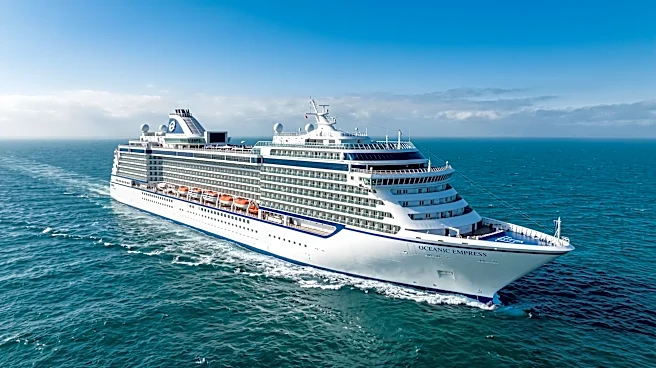
Cruise lines are implementing and enforcing a range of strict rules to maintain safety and order onboard, with violations potentially leading to passengers being removed from their voyages. Common infractions that can result in removal include smoking
in unauthorized areas, such as cabins or balconies, and disregarding mandatory safety procedures like muster drills. Bringing prohibited items like marijuana, even if legal on land or for medical purposes, is also a significant violation. Furthermore, dangerous behaviors such as climbing balcony railings for selfies, engaging in physical altercations, or threatening crew members are taken very seriously. Tossing objects overboard, sneaking food off the ship into ports where agricultural products are restricted, and disruptive behavior due to excessive alcohol consumption are additional actions that can lead to immediate disembarkation and potential legal consequences. These rules are in place to ensure the safety and enjoyment of all passengers and crew.
Why It's Important?
The strict enforcement of cruise line rules is crucial for maintaining a safe and enjoyable environment for thousands of passengers and crew members. Disregarding safety protocols, such as muster drills, can have severe consequences in emergency situations, as these procedures are designed to protect lives. Prohibiting items like marijuana, despite varying state laws, aligns with international maritime regulations and the cruise lines' own policies, preventing potential legal complications and maintaining a consistent standard across different jurisdictions. Actions like physical altercations or threatening staff directly impact the well-being of others and can disrupt the entire cruise experience. By removing disruptive passengers, cruise lines protect their reputation, ensure the safety of their operations, and uphold the expected standard of conduct, which is vital for the industry's continued success and passenger trust. This also helps mitigate potential liabilities for the cruise operators.
What's Next?
Cruise lines will likely continue to emphasize passenger education regarding onboard rules and regulations, particularly during the embarkation process and through pre-cruise communications. There may be increased use of technology to monitor compliance, such as advanced surveillance systems to detect unauthorized smoking or dangerous activities. Passengers can expect clearer guidelines on what is permissible and what is not, with cruise lines potentially updating their terms and conditions to reflect evolving safety and conduct standards. For individuals who violate these rules, the immediate consequence is removal from the ship, often at their own expense, and a potential ban from future cruises with that line. Local authorities may also become involved depending on the severity of the infraction, leading to legal repercussions. The industry will continue to balance passenger freedom with the necessity of maintaining a secure and orderly environment.
Beyond the Headlines
The rigorous enforcement of cruise ship rules highlights a broader tension between individual freedoms and collective safety in confined, transient communities. While passengers seek relaxation and enjoyment, the unique environment of a cruise ship necessitates a higher degree of adherence to regulations than might be expected on land. This dynamic underscores the legal complexities of maritime law, where international conventions and individual cruise line policies intersect. The emphasis on preventing disruptive behavior also reflects a societal shift towards greater accountability for actions in public spaces, even during leisure activities. Furthermore, the prohibition of certain items like marijuana, despite its legality in some regions, points to the challenges of harmonizing diverse legal frameworks within a global industry. This strict approach aims to prevent incidents that could tarnish the industry's image, impact future bookings, and potentially lead to costly legal battles or regulatory interventions.