





What's Happening?
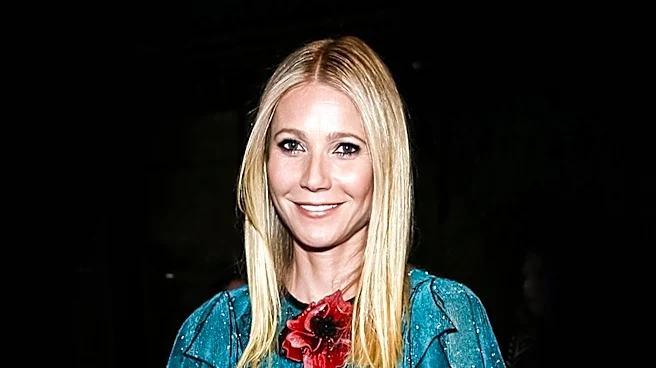
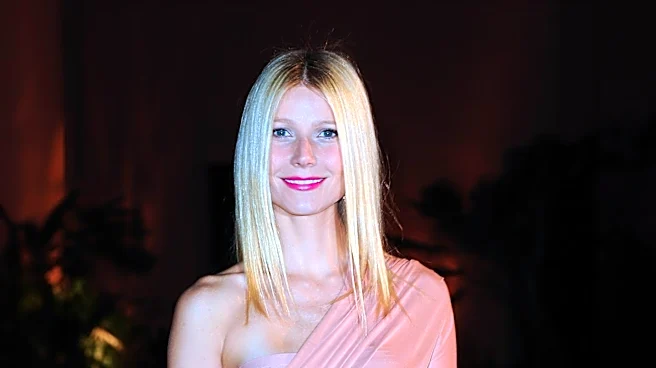
Gwyneth Paltrow recently discussed the genesis of the term 'conscious uncoupling,' which she and ex-husband Chris Martin employed to characterize their 2014 separation. Speaking on the 'Friends Keep Secrets' podcast, Paltrow explained that the phrase
was introduced to them by a therapist. The primary motivation behind adopting this approach was to mitigate the negative impact of their divorce on their children, Apple and Moses. Despite facing considerable public criticism and backlash for using the term, Paltrow maintains that it accurately reflected their commitment to prioritizing their children's well-being and maintaining a family unit, even after their romantic relationship ended. She noted that she did not coin the phrase herself but found it to be the most suitable description for their amicable split, which aimed to avoid the common pitfalls and tensions often associated with divorce.
Why It's Important?
The explanation of 'conscious uncoupling' by Gwyneth Paltrow highlights a significant cultural shift in how celebrity divorces are perceived and managed, potentially influencing public attitudes towards separation. While initially met with skepticism and ridicule, the concept has since gained traction, offering an alternative narrative to the often acrimonious portrayals of divorce in media. This approach emphasizes co-parenting and maintaining familial harmony, which can serve as a model for other high-profile individuals and, by extension, the general public. The focus on children's welfare during a parental split underscores a growing societal recognition of the psychological impact of divorce on minors. By openly discussing her experience, Paltrow contributes to a broader conversation about healthy separation practices, potentially destigmatizing divorce and promoting more constructive post-marital relationships, particularly when children are involved.
What's Next?
Gwyneth Paltrow's continued discussion of 'conscious uncoupling' is likely to further embed the term and its underlying philosophy into popular culture. As more public figures and individuals adopt similar approaches to separation, the concept could evolve from a celebrity-associated phrase into a more widely accepted framework for divorce. This might lead to increased demand for therapeutic services specializing in amicable separations and co-parenting strategies. The ongoing dialogue could also influence legal and mediation practices, encouraging a greater emphasis on collaborative divorce processes rather than adversarial ones. Furthermore, the long-term outcomes for children raised under 'conscious uncoupling' arrangements, such as Apple and Moses, may provide valuable insights into the effectiveness of this approach, potentially shaping future family law and psychological counseling recommendations.
Beyond the Headlines
The 'conscious uncoupling' phenomenon, as articulated by Gwyneth Paltrow, delves into deeper societal implications regarding the evolving nature of family structures and personal relationships. It challenges traditional notions of divorce as a complete severing of ties, instead proposing a more fluid and interconnected post-marital dynamic, especially for co-parents. This concept touches upon the ethical responsibility of parents to shield their children from conflict, even at personal cost. Culturally, it reflects a move towards greater transparency and intentionality in personal life choices, even those that are typically private. The initial public reaction, ranging from mockery to eventual acceptance, also illustrates how new social constructs, particularly those introduced by influential figures, can gradually shift public perception and become integrated into the collective consciousness, influencing how society defines and navigates complex personal transitions.