



What's Happening?
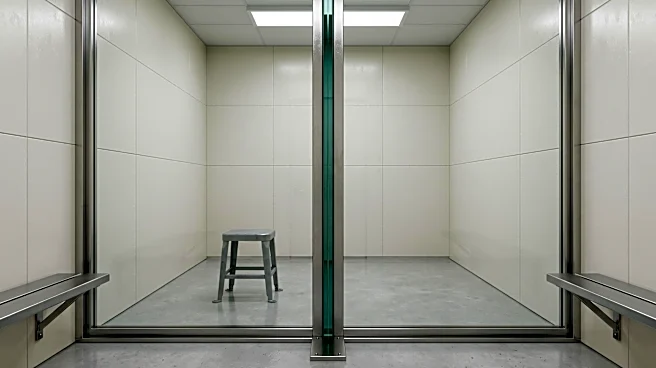
Barry Keoghan portrays a unique iteration of the Joker in Matt Reeves' 'The Batman' universe, first appearing as an 'Unseen Arkham Prisoner' in the 2022 film. Unlike previous versions, this Joker's disfigurement stems from a congenital disease causing
a permanent smile, rather than a chemical accident. This reinterpretation, inspired by the 1928 silent film 'The Man Who Laughs,' positions the character as a tragic figure whose lifelong disfigurement shaped a nihilistic worldview. A five-minute deleted scene, released three weeks after the film, provided a more extensive look at Keoghan's character, showing Batman consulting him to profile the Riddler. This scene also implied a pre-existing history between Batman and this 'pre-Joker Joker,' as Batman had already captured him before the events of the film. The character's visual design features cracked, broken skin, minimal green hair, and a large scar on his head held together with staples, a stark departure from traditional Joker appearances.
Why It's Important?
This radical reinterpretation of the Joker's origin story in 'The Batman' marks a significant shift in how one of pop culture's most iconic villains is presented. By moving away from the chemical vat origin, the film explores deeper psychological themes, suggesting that the Joker's villainy is a response to societal rejection and his inherent physical condition. This approach offers a more grounded and potentially more disturbing portrayal, aligning with the darker, more realistic tone of Matt Reeves' 'The Batman' universe. It also sets a precedent for future adaptations to explore alternative backstories for established characters, potentially leading to more complex and nuanced villain portrayals in superhero cinema. The pre-existing relationship between Batman and this Joker, established before the film's main narrative, adds a layer of history and complexity to their dynamic, moving beyond a simple origin story to a more evolved conflict.
What's Next?
While Barry Keoghan's return as the Joker in 'The Batman Part II' has not been officially confirmed by Warner Bros., reports from Box Office Pro France indicate his expected reprisal of the role. Keoghan himself has expressed enthusiasm for exploring the character further if the opportunity arises. However, his current filming schedule for Sam Mendes' four-part Beatles biopic, where he plays Ringo Starr, presents a logistical challenge, suggesting that any appearance in the sequel might be limited to a cameo rather than a major role. The release date for 'The Batman Part II' has been delayed multiple times and is currently scheduled for February 18, 2028. The ongoing speculation surrounding his return and the nature of his role will likely continue to build anticipation among fans of the franchise.
Beyond the Headlines
The decision to give the Joker a congenital disease as his origin story rather than a chemical accident or self-inflicted scars delves into profound themes of identity, disability, and societal perception. This portrayal challenges viewers to consider the origins of evil and the impact of physical differences on an individual's psychological development. By drawing inspiration from 'The Man Who Laughs' and referencing 'The Elephant Man,' the film explores the tragic dimension of the character, suggesting that his nihilism is a direct consequence of a life marked by grotesque appearance and societal horror. This approach could spark broader discussions about representation in media and the complexities of villainy, moving beyond simplistic good-versus-evil narratives to explore the human condition's darker aspects. The 'pre-Joker' concept also allows for a more gradual evolution of the character, offering a fresh perspective on his eventual transformation into the iconic villain.