









What's Happening?
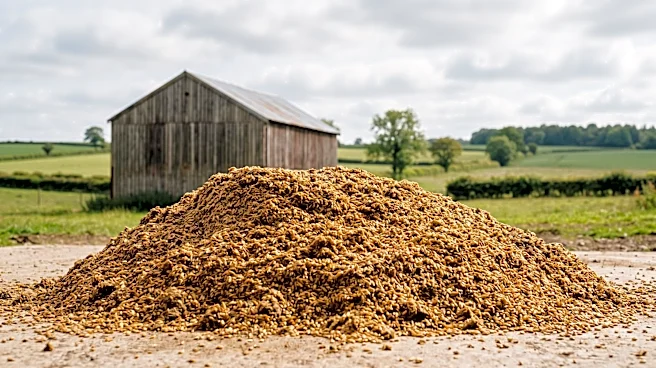
U.S. Rep. Glenn "GT" Thompson and several colleagues have introduced the bipartisan "Brews to Barns Act." This proposed legislation aims to create a beer excise tax credit for brewers who donate their spent grain for local agricultural use. The primary
goals of the act are to support small breweries and farmers by encouraging partnerships, lowering input costs for farmers, reducing waste from breweries, and strengthening local supply chains. The initiative has garnered support from other lawmakers and the Brewers Association, indicating a broad consensus on its potential benefits. This legislative effort is part of a broader set of proposals from Rep. Thompson, which also include bills related to lowering housing costs, supporting the American timber industry, and addressing issues within the Supplemental Nutrition Assistance Program (SNAP).
Why It's Important?
The "Brews to Barns Act" is significant for its potential to foster a circular economy within local communities, benefiting both the brewing and agricultural sectors. By providing a tax incentive, the bill encourages breweries to repurpose a significant byproduct, spent grain, which is rich in nutrients and can serve as valuable animal feed or compost. This reduces waste disposal costs for brewers and provides an affordable, high-quality feed source for farmers, thereby lowering their operational expenses. Strengthening local supply chains also enhances regional economic resilience, making communities less dependent on external markets and reducing transportation costs and environmental impact. This bipartisan effort demonstrates a practical approach to supporting small businesses and promoting sustainable practices, which can have a positive ripple effect on local economies and environmental stewardship across the U.S.
What's Next?
The "Brews to Barns Act" will proceed through the legislative process in Congress. Given its bipartisan nature and support from industry associations like the Brewers Association, it has a reasonable chance of advancing. If passed, the act would establish the framework for brewers to claim the excise tax credit, which would likely involve specific reporting requirements to verify the donation of spent grain for agricultural use. This could lead to increased partnerships between local breweries and farms, potentially creating new economic opportunities and fostering community-level collaborations. The success of this act could also inspire similar initiatives in other industries to promote waste reduction and resource repurposing. Additionally, Rep. Thompson continues to be active in other legislative areas, including efforts to lower housing costs and support the American timber industry, which will also move through the legislative pipeline.
Beyond the Headlines
The "Brews to Barns Act" represents more than just a tax credit; it embodies a growing recognition of the value of local, interconnected economies and sustainable resource management. By formalizing and incentivizing the repurposing of spent grain, the act highlights the potential for innovative solutions to waste management that also create economic value. This approach can serve as a blueprint for other industries to identify and leverage their byproducts, fostering a more resource-efficient national economy. Furthermore, the bipartisan support for such a niche bill underscores a common ground in policy-making when it comes to supporting small businesses and promoting environmental benefits, even in a politically polarized climate. This initiative could also raise consumer awareness about the sustainability practices of local businesses, potentially influencing purchasing decisions and encouraging broader adoption of eco-friendly practices within the food and beverage industry.