






What's Happening?
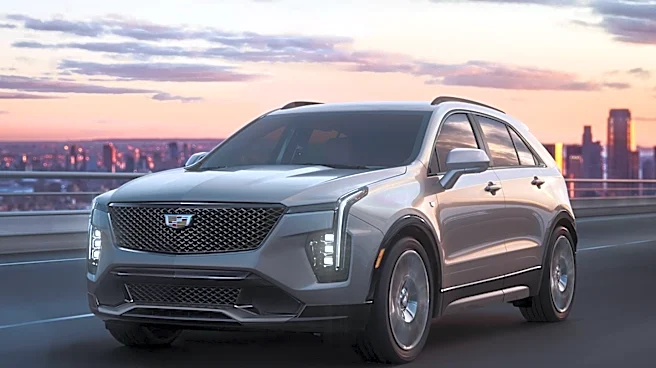
General Motors (GM) is actively recruiting engineers from top autonomous vehicle (AV) companies to develop self-driving technology for its Cadillac line, aiming to make it accessible to millions of customers. Rashed Haq, GM's Vice President of Autonomous
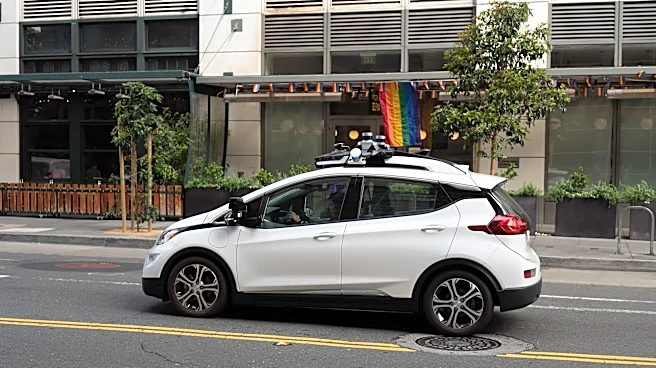
Vehicles, stated that the company is focused on achieving eyes-off driving for the Cadillac Escalade IQ by 2028, starting with highway driving. This initiative follows GM's decision to shut down its Cruise robotaxi venture in 2024, redirecting resources to focus on self-driving technology for personal vehicles. GM has made several strategic hires from companies like Tesla, Waymo, and Zoox to bolster its autonomy team. The company plans to leverage its large customer base, manufacturing capabilities, and data from its Super Cruise driver-assistance system to achieve its goals.
Why It's Important?
GM's push to develop self-driving technology for personal vehicles represents a significant shift in the automotive industry, which has been primarily focused on commercial robotaxi services. By targeting a broader consumer market, GM aims to democratize access to autonomous driving technology, potentially transforming the way people commute and travel. This move could have substantial implications for the U.S. automotive industry, as it may drive competition and innovation among automakers. Additionally, the development of reliable self-driving technology could lead to increased safety on roads, reduced traffic congestion, and new business opportunities in related sectors such as insurance and logistics.
What's Next?
As GM continues to develop its self-driving technology, the company will need to address several challenges, including ensuring safety, handling edge cases, and providing a seamless customer experience. The company plans to test its new autonomy stack on public roads and refine its sensor strategy, which includes the use of lidar. GM's success in achieving its 2028 target for eyes-off driving could influence other automakers to accelerate their own autonomous vehicle programs. Additionally, regulatory developments and public acceptance of self-driving technology will play crucial roles in determining the pace and extent of its adoption.