


What's Happening?
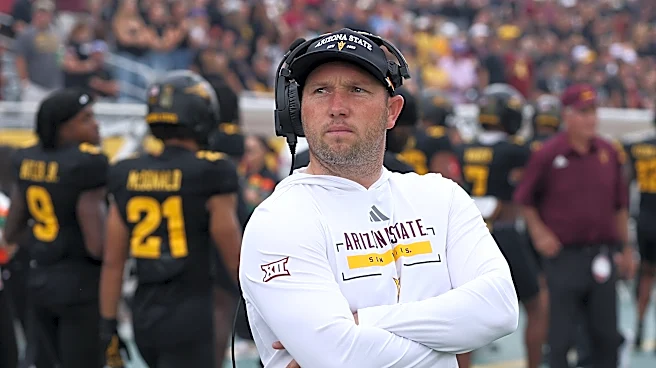
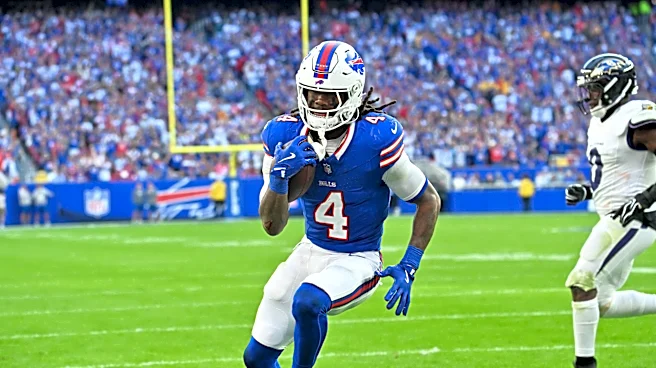
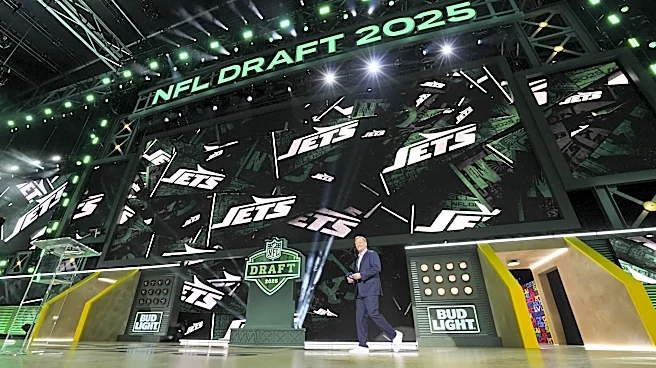
A new 2027 NFL mock draft by Luke Easterling projects Arizona State wide receiver Reed Harris to be selected by the Buffalo Bills with the 32nd pick in the first round. Easterling highlights Harris's size, speed, athleticism, and body control as key attributes
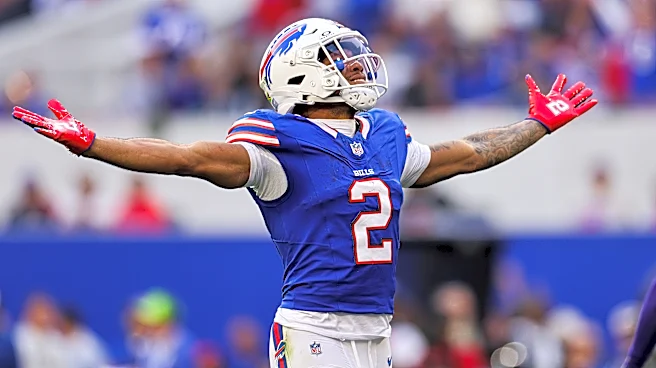
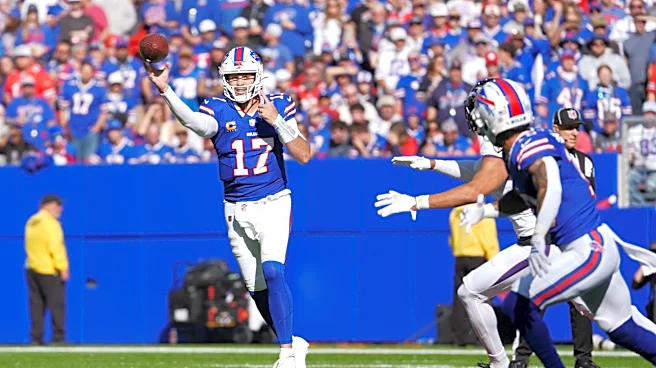
that would make him a valuable addition to the Bills' offense, particularly for quarterback Josh Allen. Harris, standing at 6-foot-5 and 220 pounds, has demonstrated significant production this season, with 48 catches for 804 yards and eight touchdowns, earning an 84.6 overall grade from PFF, ranking him 15th among FBS receivers. He averages 16.8 yards per catch and has only dropped one pass. This projection comes as the Bills' passing game showed improvement with the return of DJ Moore in Week 8, and the team is looking to add more long-term offensive weapons.
Why It's Important?
This mock draft projection is significant for both Reed Harris and the Buffalo Bills. For Harris, being projected as a first-round pick underscores his rising profile as a top collegiate talent and potential future NFL star. It highlights the value placed on his physical attributes and on-field production by draft analysts. For the Buffalo Bills, acquiring a player like Harris could address a long-term need for a big, reliable target for quarterback Josh Allen, especially given the team's tight salary cap situation and the potential for changes in their current receiver room. A rookie contract for a player of Harris's caliber would provide a cost-effective solution for strengthening their offense. This move could help maintain the Bills' competitive edge in the AFC by ensuring Allen has a diverse array of weapons to utilize, particularly in critical late-season games.
What's Next?
As the 2027 NFL Draft approaches, Reed Harris's performance throughout the remainder of his collegiate career will be closely scrutinized by NFL scouts and analysts. Continued high-level production, especially against strong competition, will solidify his draft stock. For the Buffalo Bills, their draft strategy will evolve based on their team needs and performance in the upcoming NFL seasons. If they maintain a strong record, a late first-round pick like the 32nd selection would allow them to target a player with high upside, such as Harris, to complement their existing roster. The team will also monitor the development of their current receivers and assess their cap situation to determine the urgency of drafting a player like Harris. Pre-draft workouts, the NFL Combine, and individual team interviews will also play a crucial role in shaping Harris's final draft position.
Beyond the Headlines
The projection of Reed Harris to the Buffalo Bills illustrates a broader trend in the NFL where teams with established star quarterbacks prioritize surrounding them with a continuous supply of talent. The emphasis on 'weapons' for a quarterback like Josh Allen reflects the league's offensive-minded evolution and the premium placed on passing game efficiency. Harris's journey, including his transfer from Boston College to Arizona State, highlights how players can elevate their draft stock through strong performances in new environments. The discussion around his size and ability to create mismatches speaks to the evolving physical demands of the wide receiver position in the NFL. Furthermore, the financial aspect of a rookie contract for a first-round pick is a critical consideration for teams managing salary cap constraints, making such selections strategically important for long-term team building.