







What's Happening?
Urban retreats are becoming increasingly popular, offering city residents opportunities for relaxation and rejuvenation amidst their busy lives. For instance, the Tomato Urban Retreat in Turin, Italy, provides a modern escape in the San Salvario area,
conveniently located a short walk from the Porta Nuova train station. Similarly, Seda Vertis North in Quezon City offers an urban retreat experience with daytime pool access, allowing guests to enjoy a refreshing dip without the need for an overnight stay. Capella Hotels and Resorts in Shanghai also caters to this trend by providing a family retreat experience, set within a green environment and surrounded by historic architecture. These establishments are designed to blend urban accessibility with tranquil amenities, addressing the growing demand for quick getaways that help individuals recharge within their city environments.
Why It's Important?
The rise of urban retreats signifies a broader societal shift towards prioritizing mental well-being and stress reduction, even within the confines of bustling cities. This trend reflects a growing recognition among urban populations of the need to balance demanding lifestyles with moments of calm and self-care. For the hospitality industry, this presents a significant opportunity to innovate and offer specialized services that cater to this niche market. Hotels and resorts that can successfully integrate wellness, relaxation, and convenience into their urban offerings stand to gain a competitive advantage. Furthermore, the development of such retreats can contribute to the local economy by attracting both residents and tourists seeking these unique experiences, potentially boosting local businesses and employment in the service sector. It also highlights a changing consumer preference, where experiences focused on well-being are becoming as valued as traditional leisure activities.
What's Next?
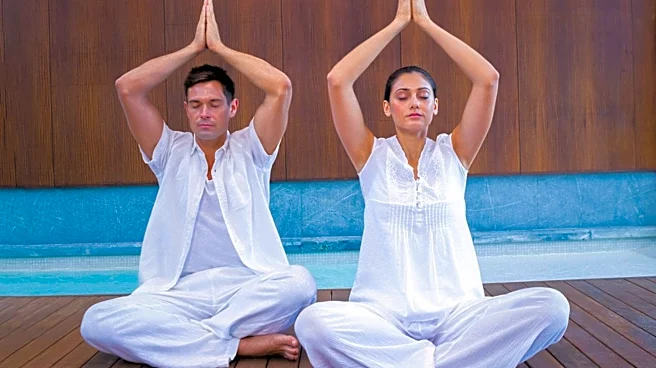
As the demand for urban retreats continues to grow, it is anticipated that more hotels and hospitality providers will adapt their offerings to include dedicated wellness programs, spa services, and tranquil spaces designed for relaxation. We may see an increase in partnerships between urban hotels and local wellness practitioners, such as yoga instructors or meditation guides, to provide comprehensive retreat experiences. Additionally, there could be a trend towards integrating sustainable and eco-friendly practices into these urban retreats, appealing to environmentally conscious consumers. The expansion of flexible booking options, like day passes for amenities, is also likely to become more common, catering to individuals who seek short-term escapes without committing to overnight stays. This evolution will likely lead to a more diverse and accessible range of urban retreat options, further embedding wellness into the urban lifestyle.
Beyond the Headlines
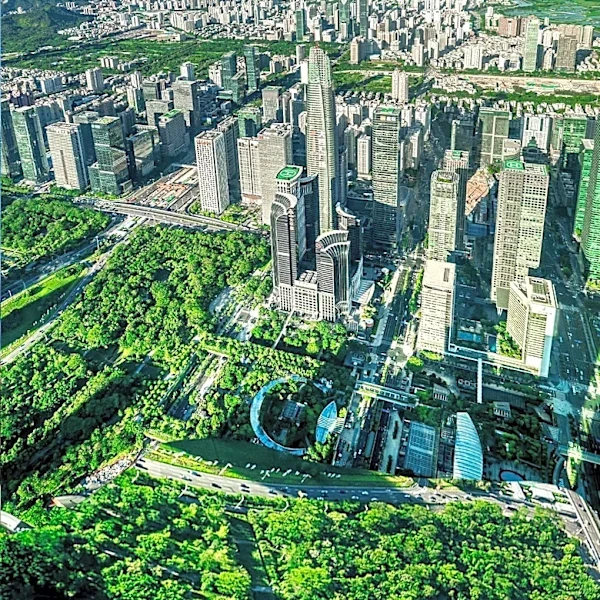
The increasing popularity of urban retreats points to a deeper cultural shift where the concept of 'retreat' is no longer exclusively associated with remote, natural settings. Instead, it is being redefined to include accessible, localized options that fit into the rhythm of urban life. This redefinition has implications for urban planning and development, encouraging the creation of more green spaces, quiet zones, and wellness-focused amenities within city limits. It also highlights a growing awareness of the psychological impact of urban living and the proactive measures individuals are taking to mitigate stress and burnout. The trend suggests a future where cities are not just centers of commerce and activity, but also hubs for personal well-being and rejuvenation, fostering a more balanced and sustainable urban existence. This could lead to innovative urban designs that prioritize mental health and offer residents more opportunities for respite.