




What's Happening?
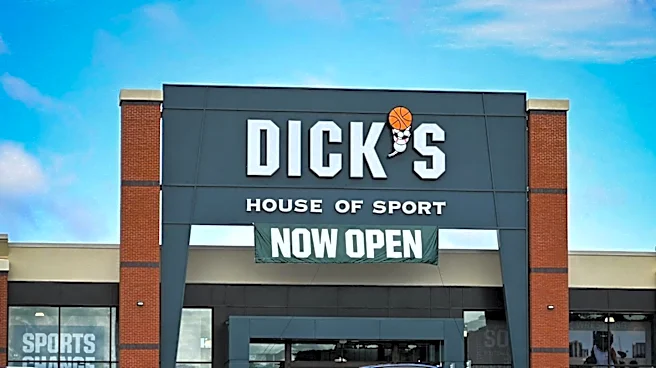
Activewear shoppers are increasingly looking for alternatives to multi-brand retailers like Dick's Sporting Goods, opting instead for direct-brand shopping experiences that cater to specific needs and styles. While Dick's Sporting Goods remains a strong
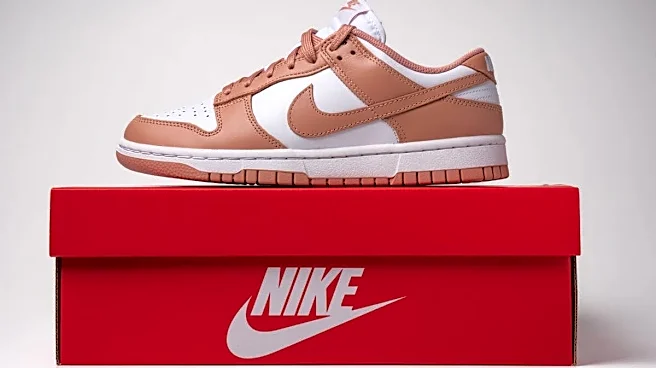
choice for comparing multiple brands and purchasing sports equipment, consumers are finding more focused options for apparel. For instance, TLF Apparel is highlighted for its 'Gym-To-Street' styling, combining training apparel with everyday essentials. Nike is preferred by those who want to build a sportswear and footwear wardrobe around a single established brand. Lululemon is a go-to for yoga, running, and everyday activewear, focusing on apparel rather than a broad range of sporting goods. Gymshark caters specifically to gym-focused outfits and lifting-oriented styling, while Adidas is chosen for sportswear with an everyday, sport-inspired look. The core distinction lies between the breadth offered by general retailers and the specialized focus of direct brands.
Why It's Important?
This shift in consumer behavior has significant implications for the U.S. retail landscape and the activewear industry. It indicates a growing demand for niche products and personalized shopping experiences, moving away from the one-stop-shop model for certain categories. For direct-to-consumer (DTC) activewear brands, this trend presents a substantial opportunity for growth and market penetration, as they can directly address specific consumer preferences and build stronger brand loyalty. Conversely, traditional multi-brand retailers like Dick's Sporting Goods may need to adapt their strategies to retain activewear customers, potentially by enhancing their in-store experiences, offering more curated selections, or developing stronger partnerships with specialized brands. This evolution also highlights the importance of brand identity and specialized product offerings in a competitive market, where consumers are increasingly discerning about their activewear choices, prioritizing factors like specific styling, performance features, and brand ethos.
What's Next?
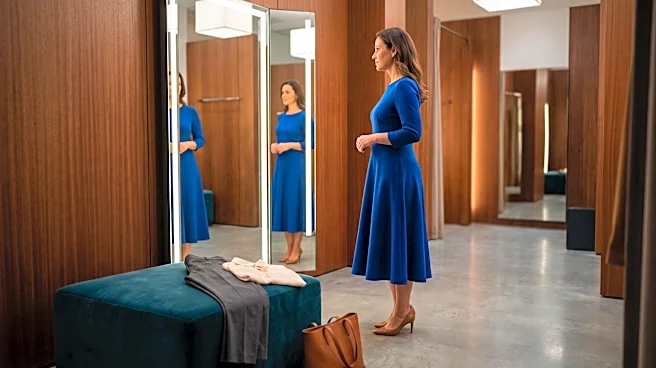
The activewear market is likely to see continued diversification, with more brands emerging to fill specific niches. Consumers will likely continue to prioritize brands that align with their particular training styles, aesthetic preferences, and functional requirements. This could lead to increased innovation in fabric technology, design, and sustainability within specialized activewear segments. Retailers like Dick's Sporting Goods may respond by refining their activewear sections, perhaps by creating dedicated brand zones or offering more in-depth product information to help consumers make informed choices. We might also see more collaborations between large retailers and niche activewear brands. For consumers, the trend means a wider array of choices, but also the need to be more deliberate in their shopping, focusing on garment-level checks for movement, coverage, and layering rather than relying solely on brand recognition. The emphasis on 'Gym-To-Street' styling suggests a blurring of lines between athletic wear and everyday fashion, influencing future design trends.
Beyond the Headlines
The move away from general sporting goods stores for activewear reflects a broader cultural shift towards specialization and personal identity in consumption. Activewear is no longer just about functionality; it's an extension of lifestyle, personal values, and self-expression. The preference for brands like TLF Apparel, Lululemon, and Gymshark indicates that consumers are seeking clothing that not only performs during workouts but also seamlessly integrates into their daily lives and reflects their chosen aesthetic. This trend challenges the traditional retail model and underscores the power of direct-to-consumer brands in building communities around shared interests and values. It also highlights the increasing sophistication of consumer demands, where a 'comfortable yoga garment' is not automatically suitable for running, emphasizing the need for precise product design and clear communication of intended use. This evolution could lead to a more fragmented but ultimately more responsive and consumer-centric activewear market.