
What's Happening?
Preferred Hotels & Resorts, a major independent hotel brand, is significantly expanding its global portfolio with a series of new hotel openings scheduled for 2027. This expansion includes properties across
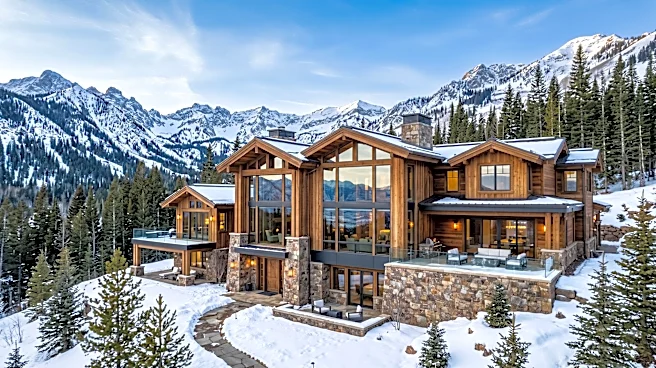
Europe, the Caribbean, North America, North Africa, the Middle East, and Latin America. The new additions aim to offer diverse luxury travel experiences, ranging from urban hotels to secluded resorts and wellness retreats. Notable U.S. openings include Perlen House in San Antonio, Texas, launching in May 2027, and The Stelle in Park City, Utah, anticipated for late 2027. Additionally, Pendry Tampa in Florida is set to open in late 2027, and The Shenandoah Nature Resort in Virginia is slated for February 2028. These new properties will feature a variety of amenities such as multiple dining venues, spas, fitness centers, and unique recreational activities tailored to their locations. Lindsey Ueberroth, Chief Executive Officer of Preferred Hotels & Resorts, emphasized that these openings highlight the compelling nature of independent luxury travel, offering hotels with a genuine sense of place and a distinctive connection to their destinations.
Why It's Important?
This extensive expansion by Preferred Hotels & Resorts is important for the U.S. hospitality industry as it introduces new luxury options and strengthens the brand's presence in key domestic markets. The opening of properties like Perlen House in San Antonio, The Stelle in Park City, Pendry Tampa, and The Shenandoah Nature Resort in Virginia will contribute to local economies through job creation in construction, hospitality, and related services. These new hotels are designed to attract both domestic and international travelers, potentially boosting tourism revenue in their respective regions. For consumers, the increased choice in luxury accommodations means more diverse and unique travel experiences, catering to various preferences from urban exploration to nature retreats. The focus on independent luxury travel also supports local character and design, offering alternatives to more standardized chain hotels. This development signifies a robust outlook for the high-end segment of the U.S. travel market, indicating confidence in sustained demand for premium hospitality services.
What's Next?
The upcoming openings in 2027 and early 2028 will see Preferred Hotels & Resorts actively engaging in pre-opening strategies, including staffing, marketing, and operational readiness for each new property. Travelers can anticipate booking availability for these new hotels as their launch dates approach. The brand will likely leverage its I Prefer Hotel Rewards program to attract and retain guests, offering points and benefits for stays at these new locations. The success of these openings will be closely watched by the hospitality industry as an indicator of market demand for independent luxury hotels. Future developments may include further expansion into other U.S. cities or regions, depending on the performance and reception of these initial launches. The company's strategy of offering unique, destination-connected experiences suggests a continued focus on differentiated offerings to cater to evolving traveler preferences.
Beyond the Headlines
The trend of expanding independent luxury hotels, as exemplified by Preferred Hotels & Resorts, reflects a broader shift in the hospitality industry towards more personalized and authentic travel experiences. In an era dominated by large hotel chains, the emphasis on properties with a 'genuine sense of place' and 'distinctive connection to its destination' speaks to a growing consumer desire for unique cultural immersion rather than generic accommodations. This approach can foster stronger ties between hotels and their local communities, potentially leading to increased support for local businesses, artisans, and cultural initiatives. Furthermore, the development of wellness retreats, such as The Shenandoah Nature Resort, highlights a rising demand for health-focused travel, where guests seek restorative experiences. This trend could influence future urban planning and tourism development, encouraging the integration of natural elements and wellness amenities into new hospitality projects across the U.S. and globally.