



What's Happening?
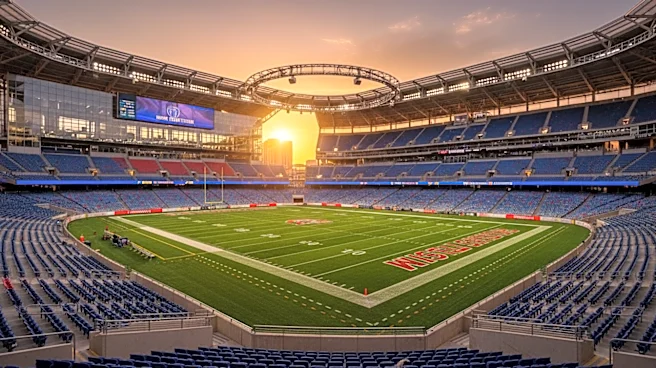
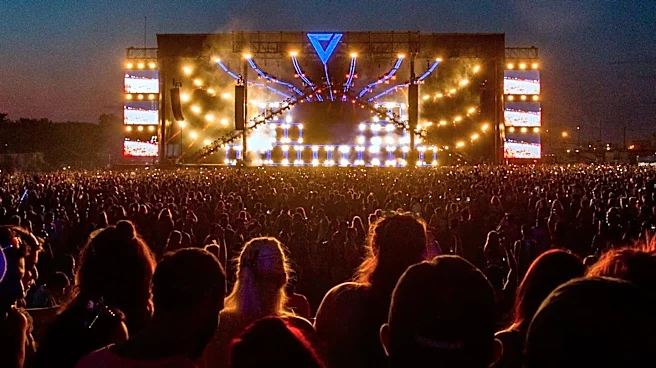
Atlanta has become a focal point for soccer enthusiasts as it hosts one of the most popular FIFA Fan Festivals in the United States. The festival, held at Centennial Olympic Park, has attracted over 450,000 visitors, making it one of the most attended
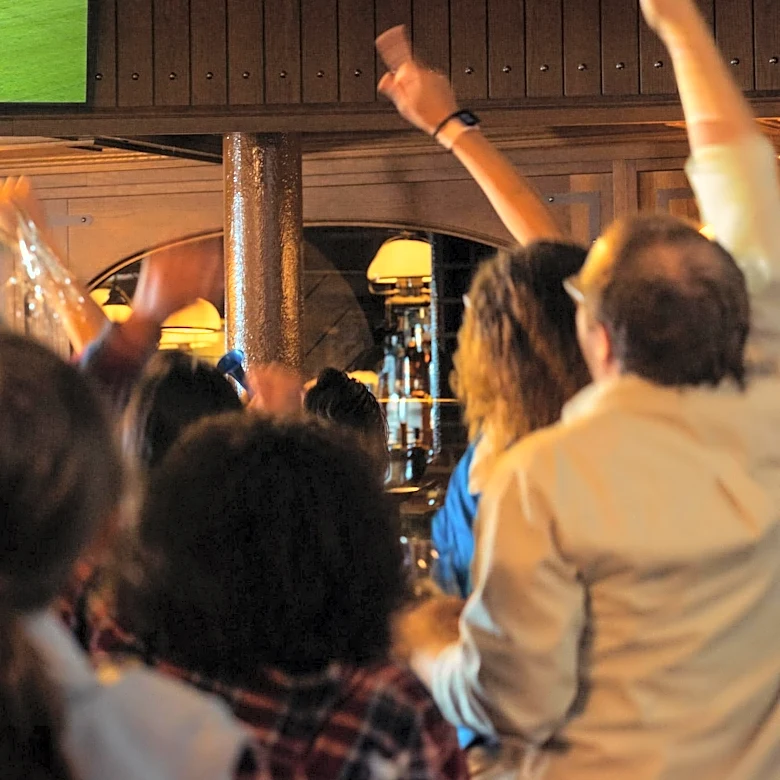
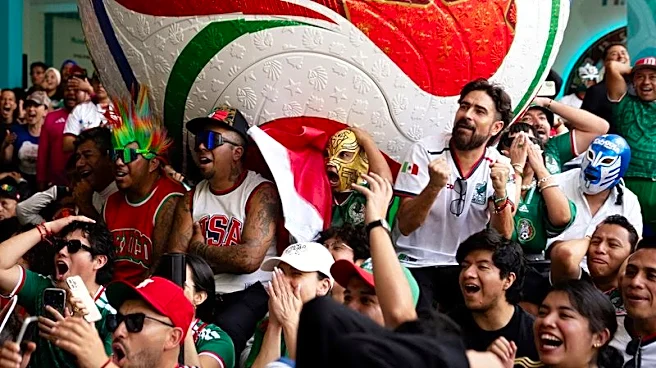
events alongside similar festivals in Philadelphia and Miami. The festival offers a range of experiences from free general admission to $325 VIP packages, allowing fans to enjoy music, concerts, and various activations. The event coincides with the World Cup matches held at the nearby Mercedes-Benz Stadium, where seven matches have already taken place. Attendees have praised the festival for its vibrant atmosphere, diverse crowd, and the opportunity to experience the World Cup excitement without the high cost of game tickets.
Why It's Important?
The Atlanta FIFA Fan Festival highlights the growing popularity of soccer in the United States and the city's capability to host major international events. By providing an accessible and engaging environment, the festival not only promotes the sport but also boosts local tourism and the economy. The event showcases Atlanta's diverse cultural landscape, drawing visitors from various backgrounds and enhancing the city's reputation as a hub for major sporting events. This increased visibility and engagement can lead to further opportunities for the city to host similar large-scale events in the future, benefiting local businesses and the community.
What's Next?
As the festival continues, Atlanta is set to host its final World Cup match on July 15. The success of the event may encourage FIFA and other international sports organizations to consider Atlanta for future events. Local businesses and tourism sectors are likely to capitalize on the increased foot traffic and international attention. The festival's popularity could also inspire other cities to enhance their own fan experiences, potentially leading to a more widespread adoption of such events across the country.
Beyond the Headlines
The Atlanta FIFA Fan Festival not only celebrates soccer but also serves as a platform for cultural exchange and community building. The diverse attendance reflects the city's multicultural identity and fosters a sense of unity among fans. This cultural celebration can have long-term impacts on how sports events are perceived and organized in the U.S., promoting inclusivity and diversity. Additionally, the festival's success may influence how cities plan and execute large-scale public events, emphasizing the importance of accessibility and community engagement.