





What's Happening?
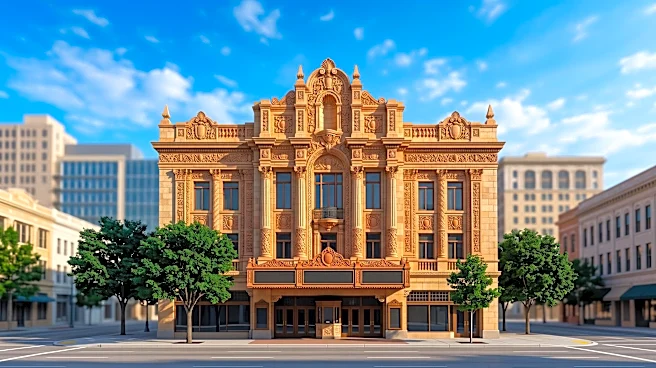
A new boutique hotel, The Aztec Hotel, is set to open within San Antonio's historic Aztec Theatre building on October 9, with a grand-opening celebration scheduled for October 17. This development gives the century-old landmark a dual purpose as both
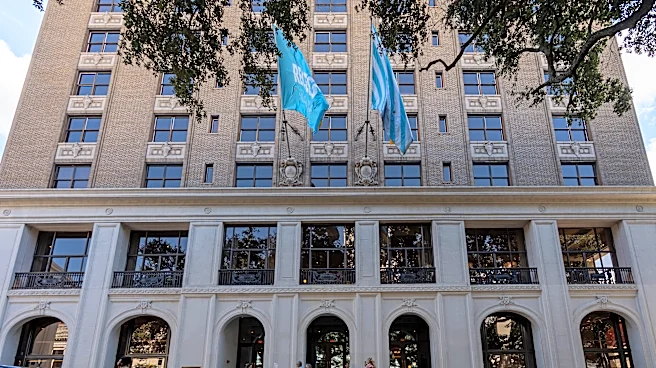
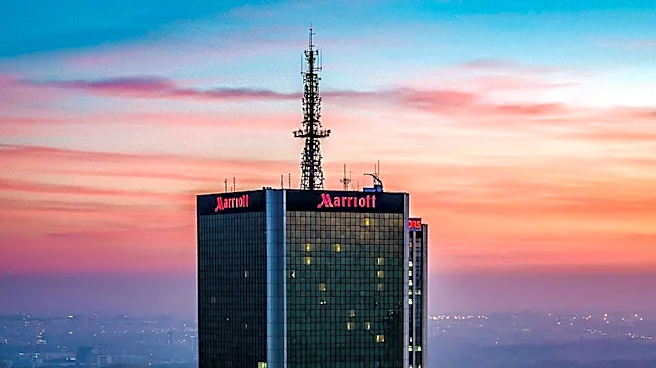
an entertainment venue and a luxury accommodation. The 76-room property will occupy the upper floors of the theatre complex and will be part of Marriott International’s Tribute Portfolio, which focuses on independently styled hotels. Located on East Commerce Street, the hotel offers direct access to San Antonio’s River Walk and is within walking distance of the city’s central business, dining, and cultural districts. The Aztec Theatre, originally opened in 1926 as an elaborate movie palace designed in the Meso-American Revival style, will continue to operate its lower level as a live-performance venue. The hotel conversion has preserved carved details, murals, and ornamental motifs, integrating them into the interiors to maintain the building's original character while providing modern comforts.
Why It's Important?
The opening of The Aztec Hotel represents a significant adaptive reuse project that revitalizes a historic landmark while contributing to San Antonio's tourism and hospitality sector. By converting former office spaces into hotel accommodations, the project preserves important architecture and creates new commercial activity. This approach offers a unique competitive advantage in a city with numerous accommodation options, as few hotels allow guests to stay within a working cultural landmark with direct access to live entertainment and the River Walk. The hotel's affiliation with Marriott’s Tribute Portfolio provides it with global reach through Marriott’s reservation system and loyalty program, attracting a broader international customer base while retaining its individual identity. This model of combining historical preservation with modern hospitality can serve as a blueprint for other cities looking to repurpose underutilized historic spaces, potentially boosting local economies and cultural tourism.
What's Next?
The Aztec Hotel will begin welcoming its first guests on October 9, followed by an official grand-opening celebration on October 17. The hotel's success will depend on its ability to deliver a guest experience that genuinely connects with San Antonio's unique character, rather than merely offering a historically themed decoration. The property will feature Zenita, a rooftop restaurant and bar overlooking downtown San Antonio, open for breakfast, lunch, and dinner, combining American dining with cocktails and city views. Additionally, Kellwood, a tequila-focused lounge, will operate at street level. These food and beverage venues are crucial for attracting residents, theatre audiences, and business visitors who may not be staying overnight, providing the hotel with a separate identity within the city’s hospitality scene. The rooftop also includes outdoor event space for gatherings, and the historic theatre offers additional possibilities for receptions, corporate functions, and private performances.
Beyond the Headlines
The transformation of the Aztec Theatre into a boutique hotel highlights a growing trend in urban development: the adaptive reuse of historic buildings. This approach not only conserves architectural heritage but also injects new life into urban centers, fostering economic growth and cultural engagement. The challenge lies in achieving an authentic balance between preserving the original character of the building and meeting the demands of contemporary hospitality. If successful, The Aztec Hotel could become a compelling model for turning underused space within cultural landmarks into unique accommodation experiences, influencing future preservation and development projects. This project also underscores the evolving preferences of affluent travelers who seek distinctive, locally authentic experiences rather than generic hotel stays, suggesting a broader shift in the luxury travel market towards properties with strong historical and cultural narratives.