





What's Happening?
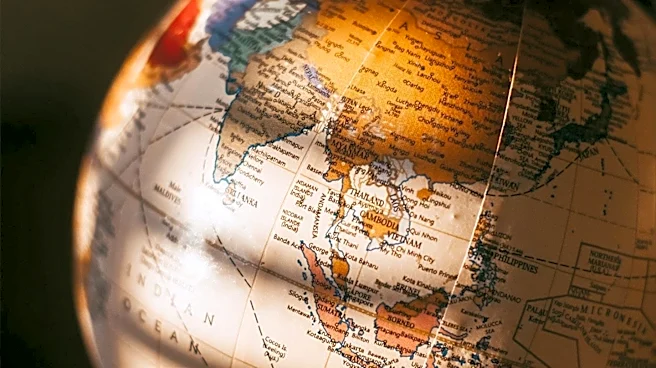
Southeast Asian economies are experiencing a slowdown driven by increasing borrowing costs, elevated oil prices, and broader global economic uncertainties. Across the region, 10-year government bond yields have risen significantly; Malaysia's yield is up
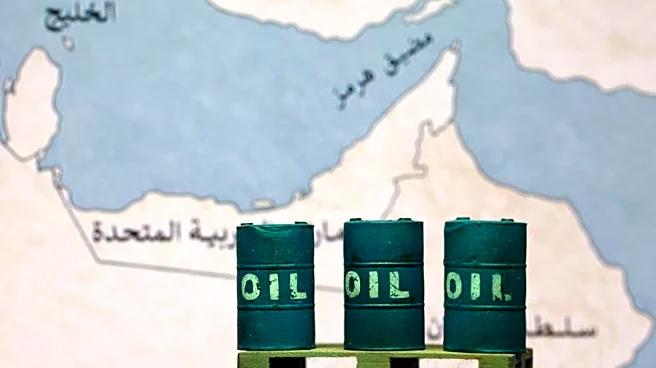
over 50 basis points, Thailand's by approximately 20 basis points, and the Philippines' by more than 40 basis points. This surge in borrowing costs is partly attributed to firming global rates and persistent inflation. Additionally, Brent crude oil prices have surpassed $100 a barrel, exacerbated by ongoing Middle East conflicts. This increase in fuel costs disproportionately affects net oil importers like Thailand and the Philippines, curbing their economic appetite. The overall global economic outlook, including potential impacts from tariffs and political pressures, further contributes to the region's economic deceleration. Sovereign bond sales in the region have also seen weaker demand, with Malaysia, Thailand, and the Philippines experiencing some of their softest bid-to-cover ratios in years.
Why It's Important?
The economic slowdown in Southeast Asia carries significant implications for global trade and investment, including for U.S. businesses operating in or with the region. Increased borrowing costs can deter foreign direct investment and make it more expensive for local businesses to expand, potentially impacting supply chains that U.S. companies rely on. Higher oil prices translate to increased operational costs for industries, from manufacturing to transportation, which could lead to higher prices for goods imported into the U.S. or reduced profitability for American firms with regional operations. Furthermore, a weakened Southeast Asian economy could reduce demand for U.S. exports, affecting American industries that rely on these markets. The region's economic health is also a bellwether for broader global economic stability, and its struggles could signal wider challenges that eventually ripple back to the U.S. economy through interconnected financial markets and trade relationships.
What's Next?
In response to the economic headwinds, central banks in Southeast Asia may consider further interest rate adjustments to manage inflation and stabilize their currencies, potentially leading to tighter monetary policies. Governments might also explore fiscal measures to support economic growth and mitigate the impact of higher costs on consumers and businesses. Fund managers are reportedly eyeing opportunities in the region's bond markets, particularly in short- to intermediate-maturity bonds, viewing current volatility as a chance to enter at better yields. However, longer-dated bonds remain exposed to global term-premium shocks and heavy issuance. The trajectory of global oil prices, heavily influenced by geopolitical developments in the Middle East, will continue to be a critical factor. Any de-escalation or intensification of conflicts could significantly alter the economic outlook for these nations and, by extension, global markets.
Beyond the Headlines
The economic challenges in Southeast Asia highlight a broader vulnerability of emerging markets to global economic shifts and geopolitical events. The reliance on imported oil exposes these economies to external price shocks, underscoring the need for diversified energy sources and enhanced energy security strategies. The trend of rising borrowing costs also points to the interconnectedness of global financial markets, where monetary policy decisions in major economies can have profound effects on developing nations. This situation could accelerate regional efforts towards greater economic integration and self-reliance, potentially fostering new trade blocs or strengthening existing ones to buffer against external shocks. Moreover, the economic strain could exacerbate social inequalities within these countries, as vulnerable populations are often hit hardest by inflation and reduced economic opportunities, potentially leading to social unrest or political instability in the long term.