





What's Happening?
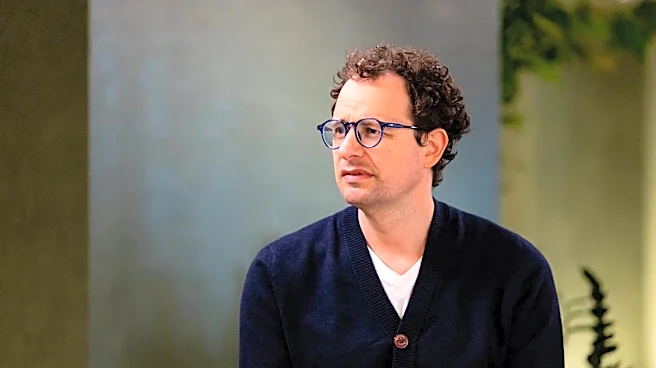
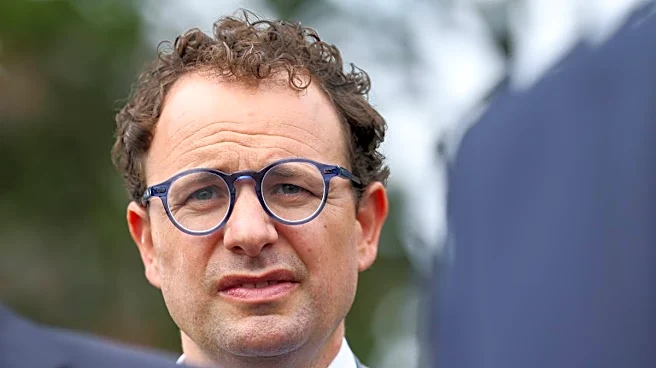
Anthropic spent $2.75 million protecting its cofounder and CEO, Dario Amodei, in 2025, which is more than four times his base salary of $654,167. This security expenditure, detailed in the company's IPO filing, also included $1.29 million for personal
protection, home security, and transportation for his sister and cofounder, Daniela Amodei, and nearly $97,055 for Dario's security-related private-aircraft travel. The company's board determined that enhanced protection was necessary due to increased media attention, security studies, and 'bona fide business-related, heightened security concerns.' Anthropic has experienced threats to employee safety and attempts to obtain confidential information, with several incidents becoming public in 2026, including a man threatening an executive at their San Francisco office and a Claude user making threats against Amodei. Digital threats targeting AI executives and data centers surged sevenfold from late February to May 2026.
Why It's Important?
The substantial security costs for Anthropic's executives highlight a growing and concerning trend of physical and digital threats against leaders in the AI industry. This rise in threats underscores the intense public debate surrounding AI, where corporate backlash can become personal, as noted by the company's own warnings about 'catastrophic or existential risks to humanity.' The need for such extensive security measures indicates a significant operational cost and risk factor for AI companies, impacting their financial planning and executive well-being. While Amodei's security bill is lower than some tech giants like Meta's Mark Zuckerberg, it is nearly seven times the median for software and services companies, signaling the unique and elevated threat landscape faced by AI executives. This situation could influence talent attraction and retention in the sector, as well as the overall perception of the AI industry's societal impact.
What's Next?
Anthropic, and other AI companies, will likely continue to invest heavily in executive security as public attention and debate around AI intensify. The company's board will regularly review these security measures and their costs, as stated in its filing. This trend suggests that security expenses will remain a significant line item for AI firms, potentially impacting their profitability and investor returns. Furthermore, the increasing threats could lead to greater collaboration between AI companies and law enforcement to address these security challenges. The industry may also see a push for more robust internal security protocols and threat intelligence sharing to protect executives and sensitive information. The ongoing public discourse about AI's risks and benefits will continue to shape the environment in which these executives operate, potentially leading to further security escalations.
Beyond the Headlines
The escalating threats against AI executives reveal a deeper societal anxiety and polarization surrounding the rapid advancement of artificial intelligence. As AI becomes more integrated into critical infrastructure and its potential impacts on jobs, ethics, and even human existence are debated, the leaders of these companies become symbolic figures, attracting both admiration and hostility. This phenomenon mirrors historical patterns where leaders of transformative, and sometimes controversial, industries become targets. The explicit warnings in Anthropic's IPO filing about 'catastrophic or existential risks' from advanced AI, coupled with the personal threats against its executives, underscore the profound ethical and societal responsibilities that come with developing such powerful technology. This situation calls for a broader societal dialogue on how to manage the risks and benefits of AI, ensuring the safety of both the technology and the individuals driving its development, while also addressing the underlying fears and concerns that fuel these threats.