

What's Happening?
CALB, China's third-largest battery manufacturer, is undertaking a comprehensive quality overhaul in response to issues with its battery cells used in GAC Aion vehicles. The company has faced scrutiny after its lithium iron phosphate (LFP) cells experienced
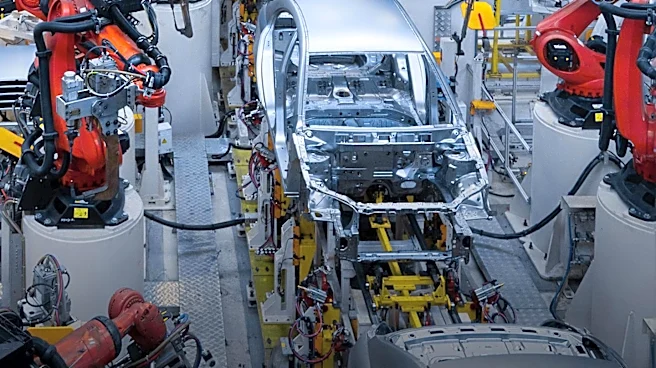
swelling, electrolyte leakage, and power loss, leading to the 'banana battery' controversy. In response, CALB has tightened manufacturing tolerances, enhanced process traceability, and upgraded its validation systems. The company has also empowered its quality department with veto power over batch releases, ensuring that no batch can bypass quality checks even under project deadline pressures. Additionally, CALB is conducting a retrospective audit of materials used in production and has rewritten design standards to improve safety and durability.
Why It's Important?
The quality overhaul by CALB is significant as it addresses critical safety and reliability concerns in the electric vehicle (EV) battery market, which is crucial for consumer trust and industry growth. The changes are expected to enhance the safety and performance of CALB's batteries, potentially restoring confidence among automakers and consumers. This move is also likely to influence industry standards, as CALB aligns its manufacturing processes with those of leading competitors like CATL. The overhaul could lead to increased production costs and pressure on profits in the short term, but it is a necessary step to maintain market competitiveness and avoid further reputational damage.
What's Next?
CALB's immediate focus will be on implementing the new quality standards and ensuring compliance across its production lines. The company will also continue to monitor battery management system data in collaboration with major customers to prevent future issues. In the longer term, CALB may need to explore strategic partnerships or investments to offset the increased costs associated with the quality improvements. The industry will be watching closely to see if these changes lead to a measurable improvement in battery performance and customer satisfaction.
Beyond the Headlines
The 'banana battery' incident highlights the broader challenges facing the EV battery industry, including the need for rigorous quality control and the potential impact of manufacturing defects on consumer safety and brand reputation. This situation underscores the importance of transparency and accountability in the supply chain, as well as the role of regulatory bodies in enforcing safety standards. The incident may prompt other battery manufacturers to reevaluate their quality assurance processes to avoid similar controversies.