






What's Happening?
A new report, commissioned by Bayer, reveals that Europe's agricultural sector is falling behind major global competitors, including the U.S., Brazil, China, Canada, and India, in terms of crop output growth and access to innovation. The study, which
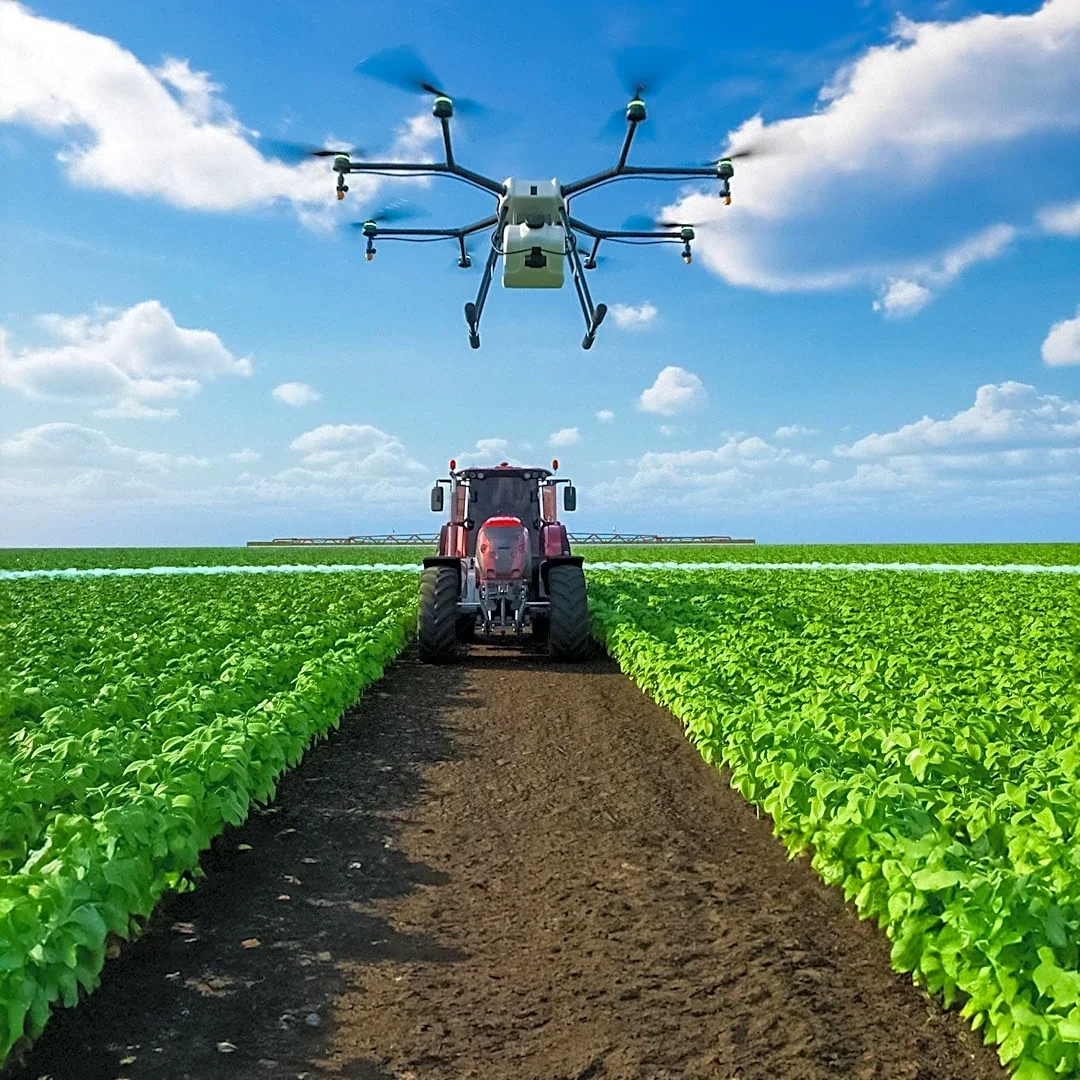
involved economic analysis by Oxford Economics, consumer polling, and farmer interviews, found that between 2011 and 2023, the EU's crop output grew by only 0.1% annually, and the UK saw no growth. This contrasts sharply with the U.S., which experienced 1% annual growth, and Brazil, with 3.3% annual growth. The report identifies regulatory barriers as a primary obstacle, limiting European farmers' access to advanced seed technologies, modern crop protection products, precision agriculture, automation, and artificial intelligence. Additionally, climate change poses a significant threat, with estimated annual losses of €17.4 billion in the EU due to climate-related risks, projected to increase to nearly €29 billion by 2050.
Why It's Important?
This report is highly relevant to the U.S. agricultural industry and its competitive standing on the global stage. The findings underscore the U.S.'s stronger position in agricultural innovation and productivity growth compared to Europe. This competitive advantage can translate into increased export opportunities for U.S. agricultural products and technologies. The report's emphasis on regulatory environments highlights how policy choices can significantly impact a nation's agricultural competitiveness. For U.S. policymakers, it reinforces the importance of fostering an innovation-friendly regulatory landscape to maintain and enhance the country's leadership in agriculture. Furthermore, the consumer support for science-based innovation noted in the report suggests a potential for greater public acceptance of advanced agricultural technologies in the U.S., which could drive further investment and development in the sector.
What's Next?
The report advocates for a more proportionate and predictable regulatory framework in Europe to encourage innovation and ensure farmers have faster access to new technologies. Bayer has announced plans for major innovation launches, including genome editing and AI-enabled crop protection solutions, but their adoption in Europe will depend on regulatory changes. The ongoing discussions regarding the UK's alignment with EU regulatory frameworks could also impact the availability of certain agricultural inputs. Stakeholders, including agricultural companies and farmer associations, are expected to continue advocating for policy reforms that prioritize innovation and competitiveness. The report also suggests that public opinion, which largely supports science and technology in agriculture, could influence political decisions, potentially leading to a re-evaluation of current regulatory approaches in Europe.
Beyond the Headlines
The report's findings extend beyond immediate economic and regulatory concerns, touching upon the broader implications of technological stagnation versus innovation in critical sectors like agriculture. The 'resilience gap' identified in Europe highlights a potential long-term vulnerability in food security and economic stability if innovation continues to be hampered. This situation presents a stark contrast to the U.S., where a more dynamic approach to agricultural technology has fostered greater resilience. The report implicitly raises questions about the societal cost of overly cautious regulatory approaches, particularly when faced with urgent global challenges like climate change and food demand. It suggests that a balance must be struck between ensuring safety and enabling progress, a lesson that has broader applicability across various industries and national contexts. The consumer polling data, indicating strong public support for science and technology in agriculture, also points to a potential disconnect between public sentiment and current regulatory realities in some regions.