






What's Happening?
The Berlin International Film Festival, commonly known as Berlinale, is an annual event held each February in Berlin, Germany. It is recognized as one of the world's three most prestigious film festivals, alongside Cannes and Venice, and is noted for
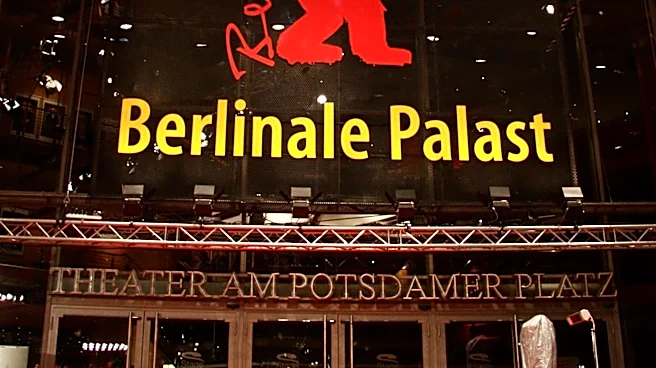
its politically engaged programming. The festival's primary activities are concentrated around Potsdamer Platz and the Berlinale Palast, with additional screenings taking place in cinemas throughout the city. The event attracts a significant international presence, including over 300,000 visitors, 400 accredited journalists from 90 countries, and 17,000 film industry professionals. Special screenings are often attended by heads of state and government. The Golden Bear, the festival's top award, is considered one of the most coveted prizes in global cinema. The festival's schedule is demanding, with screenings beginning early in the morning and continuing late into the night, followed by press conferences, evening premieres requiring red carpet arrivals, and various festival parties extending into the early hours.
Why It's Important?
The Berlinale's prominence as a major international film festival significantly impacts the global film industry by providing a crucial platform for filmmakers, distributors, talent agents, and producers to showcase new works, forge connections, and conduct business. Its reputation for being politically engaged often highlights films that address significant social and political issues, influencing global discourse and bringing diverse perspectives to a wide audience. The festival's ability to attract heads of state and government to special screenings underscores its cultural and diplomatic importance, positioning Berlin as a key hub for international cultural exchange. For the film industry, the intense schedule of screenings, press events, and networking opportunities makes it a vital event for career advancement, film acquisition, and market trends, ultimately shaping the cinematic landscape for the coming year.
What's Next?
As the Berlinale is an annual event, preparations for future festivals will continue, with organizers focusing on film selections, guest invitations, and logistical arrangements. For film industry professionals, the festival's conclusion marks the beginning of post-festival activities, including follow-ups on distribution deals, media coverage analysis, and strategic planning based on festival outcomes. The films that receive awards, particularly the Golden Bear, will likely gain increased international attention and distribution opportunities. The festival's impact on emerging filmmakers and independent cinema will continue to unfold as their works gain exposure. Future iterations of the Berlinale will likely maintain its focus on politically and socially relevant cinema, continuing to influence global film trends and discussions.
Beyond the Headlines
Beyond its immediate impact on the film industry, the Berlinale plays a significant role in shaping cultural narratives and fostering international dialogue. Its emphasis on politically engaged cinema often brings to light critical global issues, encouraging deeper societal reflection and discussion. The festival serves as a barometer for artistic trends and emerging voices in filmmaking, influencing the direction of cinematic art worldwide. Furthermore, the Berlinale contributes to Berlin's identity as a vibrant cultural capital, attracting tourism and investment in the arts. The intense logistical demands of hosting such a large-scale international event also highlight the complex coordination required to manage global cultural gatherings, from transportation for VIPs to ensuring smooth operations across numerous venues, reflecting broader challenges in international event management.