





What's Happening?
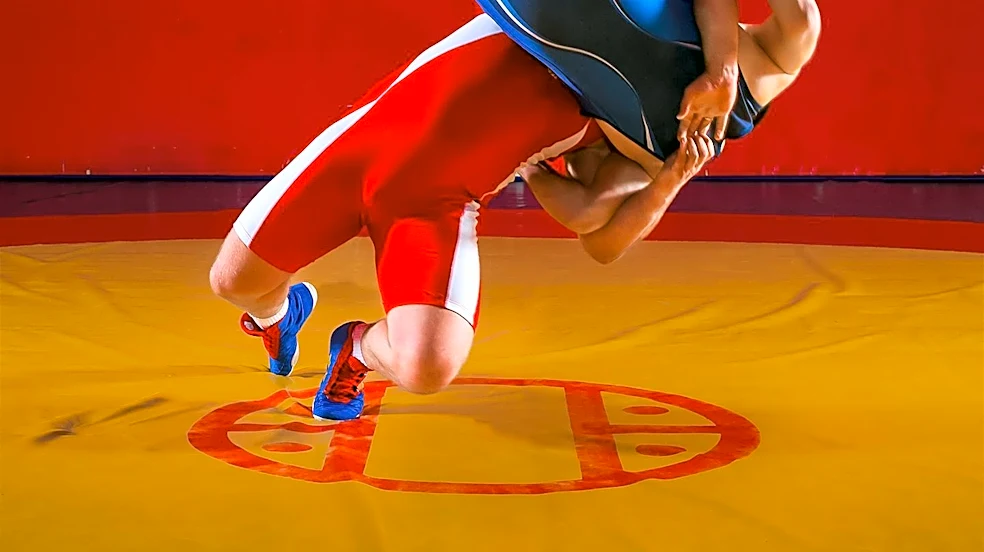
California community college wrestling is undergoing a significant resurgence, marked by the return of established programs and the addition of new ones. After peaking at approximately 90 programs in the 1960s and declining to a low of around 20, the California Community
College Athletic Association (3C2A) now boasts 24 active men's programs. This renewed interest is evidenced by College of the Redwoods returning to competition in 2023, Imperial Valley College resuming wrestling in 2025 after a four-decade hiatus, and Mission College adding a new program in 2026. The growth also extends to women's wrestling, with the 3C2A including 20 women's programs and plans for further expansion. This positive trend is attributed to dedicated coaches, athletes, and supporters who have sustained the sport through its challenges, providing opportunities for student-athletes to continue competing and pursuing higher education.
Why It's Important?
The resurgence of California community college wrestling is vital for providing a crucial pathway for student-athletes, particularly those overlooked during high school recruiting or needing additional development time. These programs offer opportunities to refine techniques, gain collegiate experience, and demonstrate potential, serving as a strategic step toward four-year institutions. The historical impact of discontinued programs, which collectively produced over a thousand state medalists and hundreds of All-Americans, underscores the importance of sustaining these opportunities. The current growth ensures that more high school wrestlers can continue their athletic and academic journeys, fostering personal growth, mentorship, and educational attainment beyond just competitive success. This also helps preserve a rich tradition that has developed state, national, and even international competitors.
What's Next?
The 3C2A is evaluating a potential return to a winter/spring competition season to better align with the broader collegiate calendar and create more opportunities to compete against NJCAA programs and other colleges outside California. This discussion involves various stakeholders, including athletic directors and coaches, to weigh competitive benefits against academic and operational concerns. Continued efforts will focus on protecting existing programs, exploring further reinstatements, and encouraging more high school wrestlers to consider the 3C2A pathway. The growth of women's wrestling is also expected to continue, with its competition season already aligning well with the NJCAA women's schedule, potentially leading to greater intercollegiate competition. Institutional commitment, community support, and strong coaching will be essential to maintaining this momentum and expanding access.
Beyond the Headlines
The narrative of California community college wrestling extends beyond mere statistics, highlighting the profound impact these programs have on individual lives and the broader sports ecosystem. Many coaches, like Paul Keysaw and Walter Ulrich, view their roles as opportunities to teach life lessons and help young people achieve their goals, often breaking cycles that might otherwise limit their futures. The emphasis on academic preparation alongside athletic development ensures a holistic approach to student-athlete well-being. The success stories of athletes who advanced from community colleges to NCAA and NAIA All-American honors, and even Olympic competition, demonstrate the long-term value of this pathway. This resurgence also serves as a reminder of the importance of grassroots sports programs in fostering talent and providing second chances, contributing to a more inclusive and robust athletic landscape.