






What's Happening?
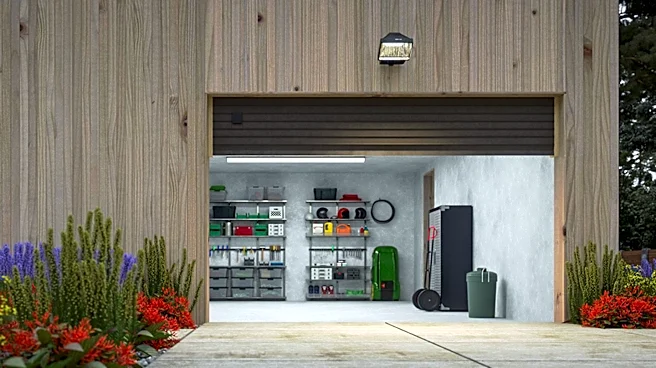
Homeowners are increasingly looking into converting their garages into functional living spaces, such as home offices, guest rooms, or playrooms. This trend is driven by the desire to add comfort and potentially increase a home's value. The process involves
several key steps, starting with clearing out the garage and assessing its current condition, including checking for any existing damage like cracks or water stains. A crucial part of the conversion is understanding and adhering to local permits and building codes, which often require proper insulation, updated electrical wiring, and specific egress windows, especially if the new space will be a bedroom. Planning for insulation and climate control is also vital, as garages are typically not built for year-round comfort. Finally, addressing the garage door, often by replacing it with a wall and a window or door, and updating the flooring to a more comfortable surface like laminate, carpet, or engineered hardwood, are essential steps in transforming the space into a habitable room.
Why It's Important?
The conversion of garages into living spaces holds significant importance for homeowners seeking to maximize their property's utility and value. By transforming an often underutilized area, homeowners can create dedicated spaces that cater to evolving needs, such as remote work, accommodating guests, or providing recreational areas for families. This not only enhances the functionality and comfort of the home but can also lead to a boost in property value, making it a sound investment. The emphasis on adhering to local building codes and permits is critical, as non-compliance can lead to legal issues and hinder future resale. Furthermore, proper insulation and climate control are not just about comfort; they contribute to energy efficiency, potentially reducing utility costs and aligning with broader environmental considerations. The decision to convert a garage reflects a growing trend among U.S. homeowners to adapt their existing properties to new lifestyles rather than seeking larger homes, addressing space constraints and financial considerations.
What's Next?
For homeowners considering a garage conversion, the immediate next steps involve thorough planning and consultation. This includes contacting local building departments to understand specific permit requirements and zoning regulations, particularly regarding attached dwelling units (ADUs). Homeowners will need to decide on the exact purpose of the converted space, as this will dictate material choices, electrical needs, and plumbing considerations. Engaging with qualified contractors who understand the complexities of garage conversions, including structural changes, electrical work, and HVAC integration, will be crucial. Financial planning, potentially involving home improvement loans, will also be a key consideration. As more homeowners seek to optimize their living spaces, the demand for specialized contractors and clear regulatory guidance on garage conversions is likely to increase, potentially leading to more streamlined processes and resources for these types of projects.
Beyond the Headlines
The trend of garage conversions extends beyond mere home improvement; it reflects a broader societal shift towards optimizing existing resources and adapting to changing living patterns. The rise of remote work has amplified the need for dedicated home office spaces, while multi-generational living arrangements often necessitate additional private areas. This movement also highlights a more sustainable approach to housing, as homeowners are repurposing existing structures rather than expanding their footprint or seeking new construction. Ethically, ensuring that these conversions meet safety standards and provide adequate living conditions is paramount, especially when creating bedrooms or ADUs. Legally, the varying local regulations across different municipalities underscore the importance of due diligence, as non-permitted conversions can lead to significant penalties and complications during property sales. Culturally, the garage, traditionally a space for vehicles and storage, is being redefined as an integral and flexible part of the home, reflecting evolving priorities in domestic life.