








What's Happening?
The smart home market is undergoing a significant transformation, evolving from individual connected devices to integrated digital ecosystems. MarketsandMarkets reports that the global smart home market, valued at $230.76 billion in 2026, is projected
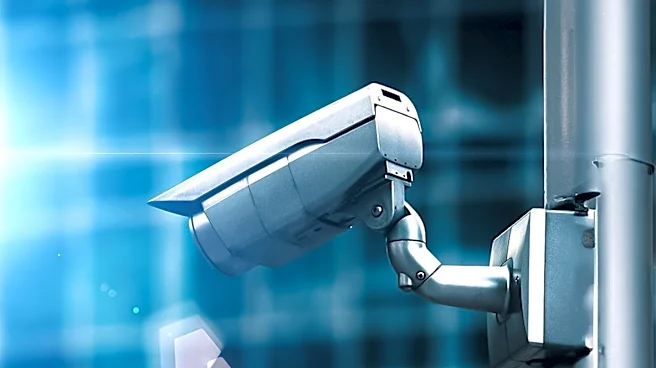
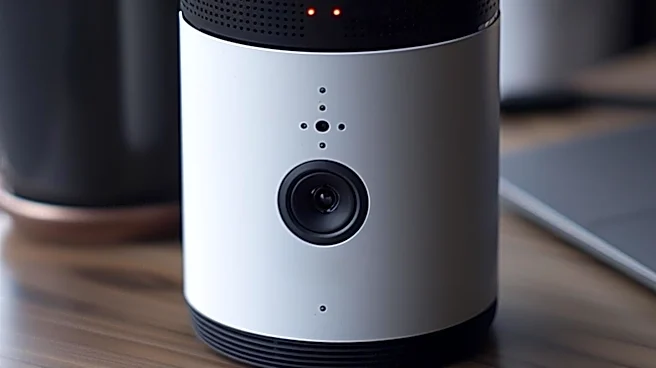
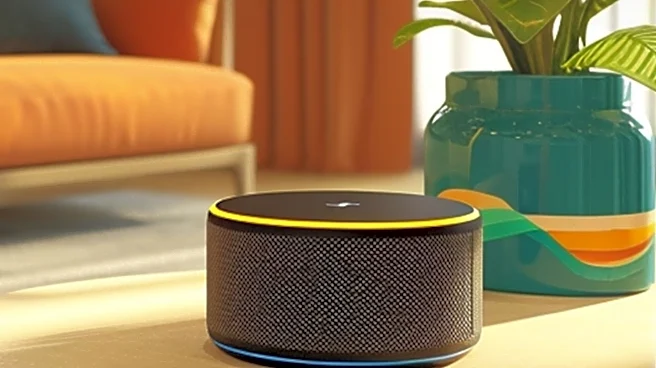
to nearly double to $450.20 billion by 2032, demonstrating an 11.8% Compound Annual Growth Rate (CAGR). This growth is primarily driven by increasing internet penetration, the proliferation of connected smart devices, and the growing adoption of Artificial Intelligence (AI) in home automation. AI-powered systems are shifting smart home functionality from simple remote control to intelligent automation, offering personalized settings, automated routines, predictive control, and improved energy management. Key application areas include safety and security, comfort and convenience, energy management, entertainment, health and wellness, and smart kitchens. Wireless technology is a dominant force, accounting for approximately 64% of the market in 2025, due to its flexibility in installation and ease of connecting multiple devices.
Why It's Important?
This rapid expansion of the smart home market signifies a major shift in how U.S. consumers interact with their living spaces, impacting various industries from technology and manufacturing to energy and healthcare. The integration of AI is crucial, as it moves beyond basic automation to create truly intelligent homes that can anticipate and respond to user needs, potentially leading to significant energy savings and enhanced security. For businesses, this presents vast opportunities for device manufacturers, software providers, connectivity companies, and security solution providers. The emphasis on energy efficiency, driven by smart thermostats and monitoring systems, aligns with broader U.S. sustainability goals and could lead to reduced household energy consumption. The market's growth also highlights increasing consumer demand for convenience, safety, and personalized living environments, pushing companies to innovate and offer more comprehensive, interoperable solutions.
What's Next?
The smart home market is expected to continue its trajectory towards greater intelligence, automation, and integration. Future developments will likely focus on enhanced AI-powered automation, more robust IoT-enabled ecosystems, and improved wireless connectivity. There will be a continued push for greater interoperability between devices and platforms, addressing current challenges related to fragmented ecosystems and incompatible devices. The demand for smart security and access control, intelligent HVAC systems, and advanced energy management solutions will intensify. Voice and mobile interfaces will become even more central to controlling these systems. Additionally, sustainability-focused smart home technologies are anticipated to gain significant traction, driven by consumer demand and government initiatives for green buildings and energy-efficient construction. Companies will need to prioritize seamless user experiences and address concerns regarding cybersecurity and data privacy to ensure widespread adoption.
Beyond the Headlines
The evolution of smart homes into integrated ecosystems raises deeper implications concerning privacy, data security, and the ethical use of AI. As homes become more interconnected and AI-driven, the volume of personal data collected will increase exponentially, necessitating robust cybersecurity measures and clear data governance policies. The shift towards predictive and personalized automation could also subtly influence user behavior and preferences, raising questions about individual autonomy and the potential for algorithmic bias. Furthermore, the digital divide could widen, as access to advanced smart home technologies might be limited by cost and internet availability, creating disparities in comfort, security, and energy efficiency. The long-term societal impact of increasingly intelligent homes on human interaction, daily routines, and even the definition of 'home' itself warrants careful consideration as this technology becomes more pervasive.