





What's Happening?
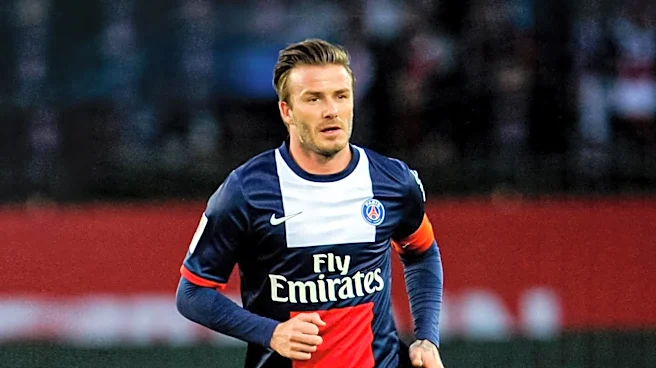
Patrik Schick, a 30-year-old footballer, recently shared his admiration for two prominent figures in football: his current teammate Ibrahim Maza and his childhood hero, David Beckham. In an exclusive interview with Bundesliga, Schick lauded Maza as a "world-class
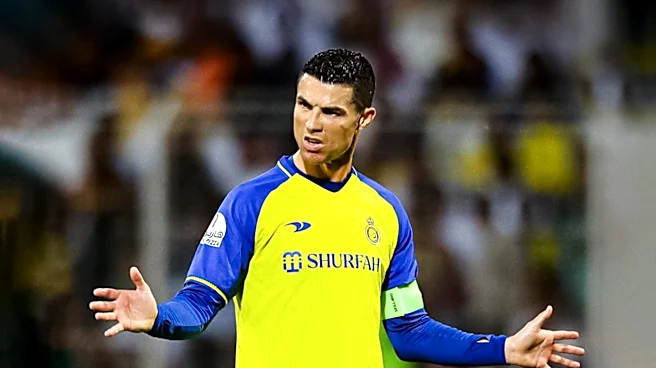
player," highlighting their strong on-pitch chemistry and Maza's phenomenal talent. Schick described Maza as a "very nice guy, a funny guy who's always laughing" in the dressing room, emphasizing his overall positive character. Regarding David Beckham, Schick recalled looking up to him during his youth, particularly admiring Beckham's kicking technique while he played for Manchester United. Schick expressed surprise at Beckham's post-retirement evolution into a global superstar in both football and marketing, acknowledging his celebrity status beyond the sport itself. He also mentioned Cristiano Ronaldo and Zlatan Ibrahimović as other strikers he admired in his younger years.
Why It's Important?
This story offers insight into the personal perspectives of a professional footballer, revealing the influences and role models that shape athletes' careers. Schick's praise for Ibrahim Maza could elevate Maza's profile, potentially increasing interest from other clubs and fans, which is significant in the competitive world of professional football. For David Beckham, it reinforces his enduring legacy and impact, not just as a player but as a global icon whose influence extends far beyond his playing days. This kind of recognition from current players helps maintain the historical narrative of football and highlights the continuous cycle of inspiration within the sport. It also provides a human element to the often-commercialized world of professional sports, showing the genuine admiration players have for their peers and predecessors.
What's Next?
While this interview primarily focuses on personal reflections, the public praise from Patrik Schick could contribute to increased media attention and scouting interest in Ibrahim Maza. Such endorsements from established players often lead to greater visibility and potential career advancements for younger talents. For David Beckham, this serves as another testament to his lasting impact, which continues to benefit his various business and marketing ventures. Future interviews with other players might reveal similar admiration for past and present footballing figures, continuing the tradition of acknowledging influential personalities in the sport. The ongoing narratives around player development and the legacies of football icons are likely to remain a consistent theme in sports media.
Beyond the Headlines
Beyond the immediate praise, this interview touches upon the broader cultural impact of sports figures. David Beckham's transition from a football icon to a global marketing and celebrity superstar illustrates the evolving nature of fame in the modern era, where athletes can leverage their on-field success into extensive off-field careers. This phenomenon has significant implications for how sports organizations and individual athletes manage their brands and public image. The admiration expressed by Schick for both Maza and Beckham also highlights the importance of mentorship and role models in professional sports, demonstrating how inspiration from one generation can fuel the aspirations of the next. This continuous cycle of influence is crucial for the development and sustained popularity of sports globally.