







What's Happening?
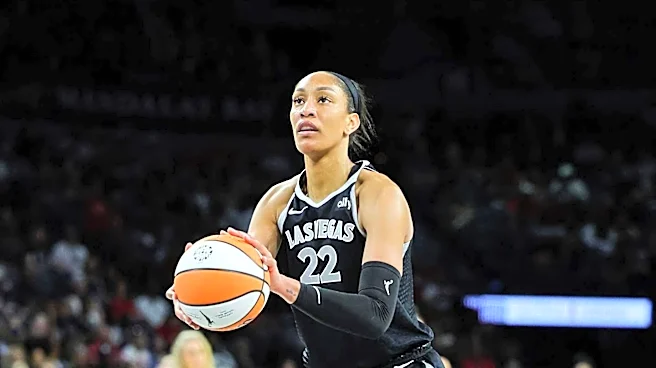
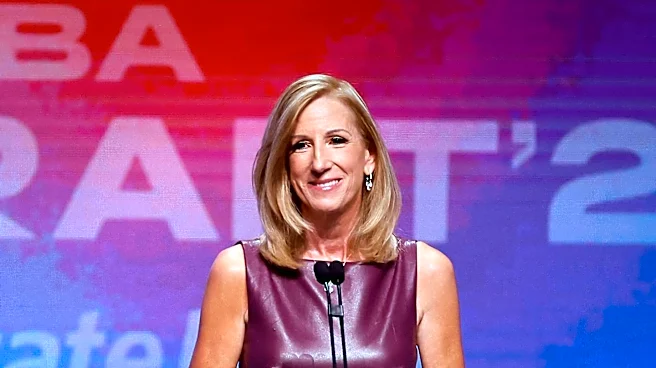
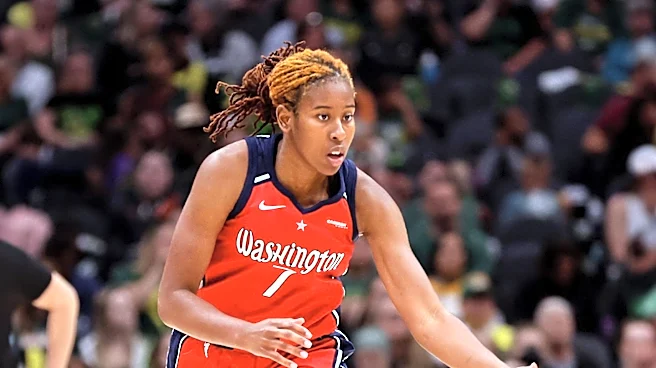
Under Commissioner Cathy Engelbert, the WNBA has seen substantial growth, including a transformative collective bargaining agreement and increased team valuations. Despite these successes, Engelbert faces challenges in her relationship with players, who
have criticized her handling of social media vitriol and other issues. The league has expanded its media presence and endorsements, with players like Caitlin Clark and Sabrina Ionescu becoming prominent figures in advertising. The WNBA plans to expand to 18 teams by 2030, reflecting its growing popularity.
Why It's Important?
The WNBA's growth highlights the increasing visibility and commercial viability of women's sports. The league's ability to secure lucrative media deals and endorsements demonstrates its appeal to sponsors and fans. However, the strained relationship between the commissioner and players underscores the need for effective communication and support for athletes. Addressing these challenges is crucial for maintaining the league's momentum and ensuring a positive environment for players. The WNBA's success could influence other women's sports leagues and contribute to broader societal changes in sports equity.
What's Next?
The WNBA will continue to focus on expanding its reach and improving player relations. Engelbert plans to address issues such as officiating and attendance, while also enhancing the league's international presence. The upcoming meeting with the players' union executive committee will be an opportunity to address concerns and strengthen partnerships. The league's future growth will depend on its ability to balance business success with player satisfaction and support.