








What's Happening?
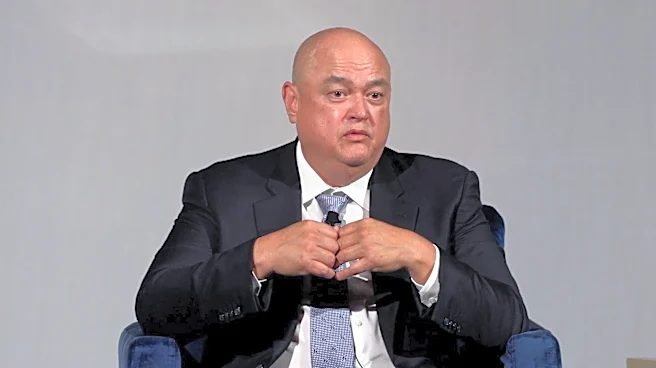
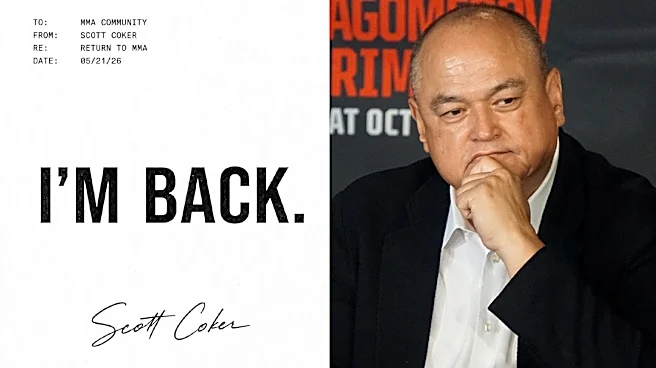
Scott Coker, the founder and former CEO of Strikeforce and Bellator MMA, has alleged that the UFC attempted to poach his contracted fighters, including Fedor Emelianenko and Gina Carano, by offering to cover their legal fees if they breached their contracts.
According to Coker, this alleged tactic occurred during the height of the UFC-Strikeforce rivalry in the late 2000s and early 2010s. He recounted an instance where the UFC allegedly approached Fedor Emelianenko at his vacation spot with such an offer. Similarly, Coker claimed the UFC approached Gina Carano shortly before her historic 2009 fight against Cris Cyborg, which was a significant event for women's MMA as it marked the first time women headlined a major MMA event. Coker stated that these alleged actions were part of the UFC's broader anti-competitive strategy, which has been documented in the 'Le v. Zuffa' antitrust lawsuit. The lawsuit, brought by former UFC fighters, alleged that the UFC used anti-competitive tactics to suppress fighter pay and weaken rival organizations.
Why It's Important?
These allegations from Scott Coker shed light on the intense and often aggressive competitive landscape within the mixed martial arts industry, particularly during a period when the UFC sought to consolidate its dominance. The alleged attempts to poach contracted fighters, if true, highlight a strategy that could undermine contractual agreements and fair competition, potentially impacting fighter careers and the financial stability of rival promotions. For the U.S. sports industry, such practices raise questions about ethical conduct and antitrust concerns, especially given the recent $375 million settlement in the 'Le v. Zuffa' antitrust lawsuit against the UFC. This settlement, while not an admission of wrongdoing by the UFC, suggests that the legal system recognized potential issues with the promotion's past business practices. The revelations underscore the challenges faced by smaller promotions in competing with a dominant entity and the importance of legal protections for athletes' contracts.
What's Next?
While the 'Le v. Zuffa' antitrust lawsuit has concluded with a settlement, Scott Coker's recent comments could reignite discussions about past competitive practices in MMA. Although the UFC denies the allegations and the settlement did not constitute an admission of wrongdoing, these claims contribute to the historical narrative of the UFC's rise to prominence and its interactions with competitors. Coker himself is launching a new promotion, Ki MMA, in early 2027, backed by investors like Tony Hawk. This new venture, planning a 32-man featherweight Grand Prix and staging fights in a ring instead of a cage, indicates Coker's continued ambition in the combat sports world. His comments suggest that the rivalry and differing perspectives between him and UFC President Dana White, who has previously criticized Coker's promotional abilities, are still very much alive, potentially influencing future competitive dynamics in the sport.
Beyond the Headlines
The allegations extend beyond mere business competition, touching upon the ethical boundaries of corporate rivalry and the protection of individual athletes' careers. The idea of a dominant promotion allegedly offering to cover legal fees for contract breaches raises significant ethical questions about fair play and the integrity of sports contracts. This historical context also provides a deeper understanding of the power dynamics within professional sports, where a leading organization might leverage its influence to weaken competitors. The 'Le v. Zuffa' antitrust lawsuit, referenced by Coker, highlights the long-term legal and financial consequences that can arise from alleged anti-competitive behavior. These events contribute to a broader conversation about labor practices, contractual obligations, and the balance of power between promoters and athletes in high-stakes professional sports.