







What's Happening?
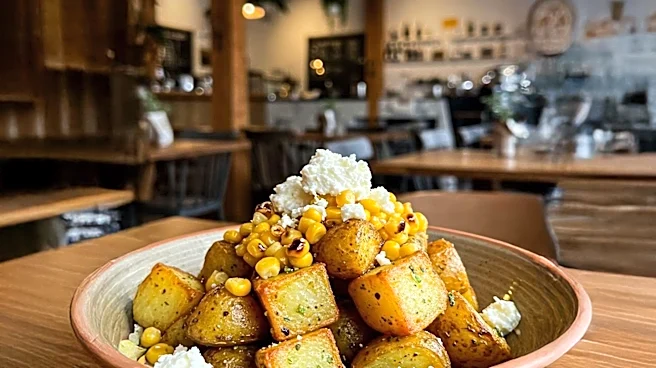
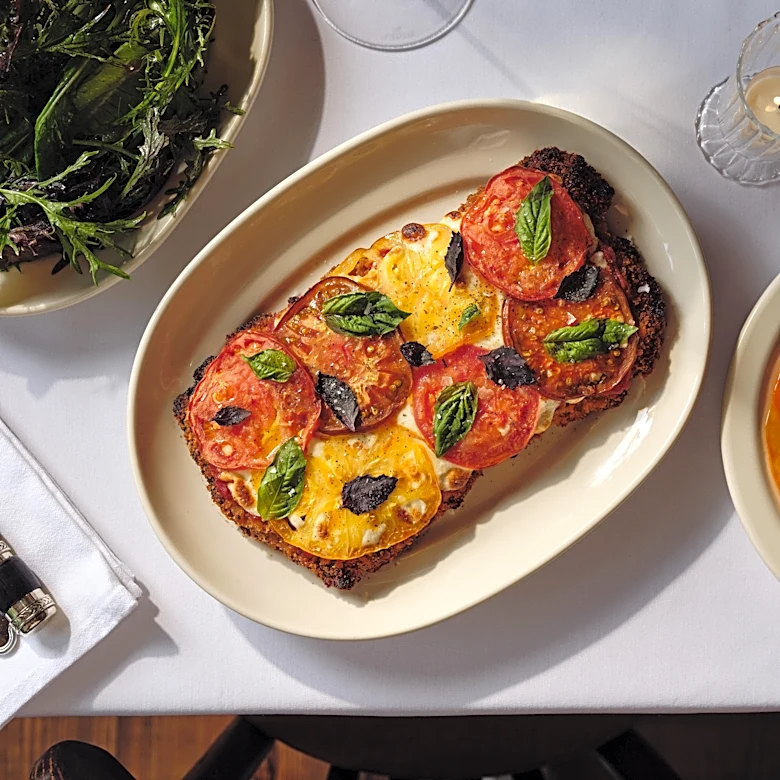
The Farmhouse Middletown, a restaurant in Delaware, prides itself on its 'farm to fork' concept, sourcing ingredients from seven local Delaware farms, including Papen Farms, Broad Acres, Magee Farms, and Mountaire Farms. Executive Chef Brandon Fredericks
and Titan Hospitality Group Culinary Director Jason Kaufman prioritize family-owned farms over conglomerates when selecting partners. While they aim for local sourcing as much as possible, some ingredients like avocados are impossible to obtain from the mid-Atlantic region. The restaurant focuses on elevating homestyle dishes, such as their popular meatloaf and smashed bison burger, which uses beef from BowTie Bison in Maryland. The Farmhouse Middletown also minimizes waste by reusing vegetable trimmings and maximizing the use of rotisserie chicken meat, demonstrating a commitment to utilizing products from their partner farms comprehensively.
Why It's Important?
The Farmhouse Middletown's dedication to local sourcing and the 'farm to fork' philosophy holds significant importance for the regional economy and food landscape. By partnering with local, family-owned farms, the restaurant provides a stable market for these agricultural businesses, contributing to their sustainability and growth. This approach helps to keep money within the local economy and supports the livelihoods of regional farmers. For consumers, it means access to fresher ingredients, often with a shorter journey from farm to plate, which can enhance flavor and nutritional value. This model also promotes transparency in the food supply chain, allowing diners to know the origin of their meals. Furthermore, it sets a precedent for other restaurants in the mid-Atlantic region, encouraging a broader shift towards supporting local agriculture and fostering a more resilient and community-focused food system.
What's Next?
The Farmhouse Middletown plans to further integrate local sourcing by starting a small garden on its patio in the spring, growing herbs like chives, rosemary, and parsley for direct use in the restaurant. This initiative, previously implemented at The Farmhouse Gambrills, aims to reduce transportation and enhance environmental benefits. Titan Hospitality Group, the parent company, has aspirations to expand the Farmhouse concept with two more locations in Maryland, indicating a growing commitment to this 'farm to fork' model. This expansion suggests a continued focus on identifying and partnering with local farms in new areas. The success of The Farmhouse Middletown, particularly its popular Sunday brunch, demonstrates a strong local demand for fresh, comforting meals, which could encourage similar restaurant concepts to emerge in other 'up-and-coming' areas.
Beyond the Headlines
The 'farm to fork' ethos of The Farmhouse Middletown extends beyond mere ingredient sourcing; it embodies a philosophy of community engagement and environmental responsibility. By prioritizing local, family-owned farms, the restaurant helps preserve traditional agricultural practices and strengthens the social fabric of rural communities. The commitment to minimizing waste, such as reusing vegetable trimmings, highlights a broader ethical stance on resource management and sustainability within the culinary industry. This approach also educates consumers about the value of local produce and the impact of their dining choices. In a larger context, it contributes to a movement that seeks to decentralize food production, reduce reliance on distant supply chains, and foster a more sustainable and resilient food system that benefits both producers and consumers while reducing environmental impact.