







What's Happening?
The global industrial landscape is undergoing a significant transformation, moving away from a sole focus on cost optimization towards prioritizing resilience and reduced uncertainty. This shift, termed the 'new industrial geography,' emphasizes geopolitical
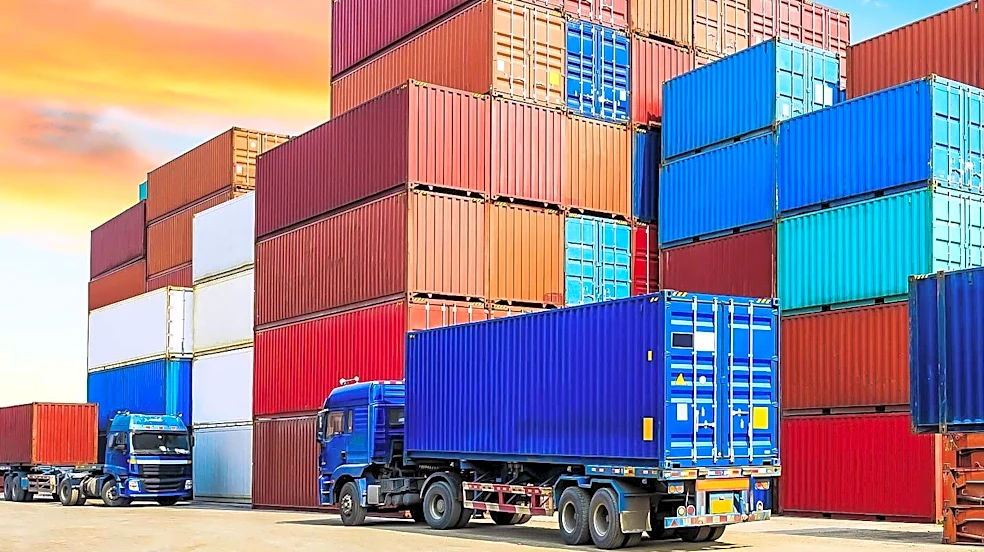
stability, legal certainty, and proximity to end markets. While large corporations are redistributing risks by nearshoring and diversifying supply chains, a critical asymmetry has emerged: access to financing, particularly liquidity, for small and medium-sized enterprises (SMEs). European and American corporations manufacturing in regions like Mexico typically have ample access to credit. However, the tier-two or tier-three suppliers, often SMEs, that these factories depend on, frequently lack such access. This disparity contributes to a global trade finance gap estimated at around $2.5 trillion, predominantly affecting SMEs. The physical relocation of factories only generates value if accompanied by 'financial proximity,' regulatory knowledge, and local presence, highlighting liquidity as an indispensable facilitator for the viability of these new value chains.
Why It's Important?
This evolving industrial geography has profound implications for U.S. businesses and global trade. While large U.S. corporations are strategically relocating production closer to home (nearshoring), the success of these initiatives hinges on the financial health and liquidity of their smaller, often international, suppliers. The $2.5 trillion trade finance gap for SMEs represents a significant bottleneck that could impede the effectiveness of these new supply chain strategies. If SMEs cannot access the necessary financing, they cannot invest in the capacity, technology, or working capital required to support the demands of larger multinational corporations. This could lead to delays, increased costs, and ultimately undermine the resilience that companies are seeking to build. For the U.S. economy, ensuring that its corporations' supply chains are robust means addressing this liquidity challenge for SMEs, as disruptions abroad can quickly impact domestic production and consumer markets. Financial institutions are now expected to do more than just provide balance sheet capacity; they must connect industrial investment with cash cycles, exchange rate hedging, and supplier financing to bridge this gap.
What's Next?
Addressing the liquidity challenges faced by SMEs in the new industrial geography will require innovative solutions from financial institutions and potentially new policy frameworks. Banks and other financial providers are increasingly expected to offer more integrated trade finance solutions that extend credit quality from large multinationals to their smaller suppliers. This could involve expanding supply chain finance programs, confirmed letters of credit, and other instruments designed to mitigate risk for both buyers and sellers in emerging supply chain hubs. Governments may also play a role in facilitating access to finance for SMEs through guarantees or partnerships with financial institutions. The focus will be on building 'financial proximity' alongside physical proximity, ensuring that the financial infrastructure supports the strategic relocation of industrial production. Over time, this could lead to a more diversified and resilient global supply chain network, but only if the financial needs of all participants, especially SMEs, are adequately met.
Beyond the Headlines
The emphasis on liquidity for SMEs in the new industrial geography highlights a deeper systemic issue: the uneven distribution of financial resources and its impact on global economic development. While large corporations have the leverage and access to capital markets, smaller entities, despite being crucial links in the supply chain, often struggle. This financial asymmetry can exacerbate economic inequalities and hinder the growth of local economies in regions targeted for nearshoring. Ethically, it raises questions about equitable access to financial tools necessary for participation in global trade. Legally, it may prompt discussions around regulatory frameworks that can better support SME financing across borders. Culturally, it underscores the need for greater collaboration between large corporations and their smaller partners, fostering a more inclusive approach to supply chain management. Ultimately, the success of the new industrial geography will depend not just on geopolitical considerations and logistics, but on creating a financial ecosystem that empowers all participants, ensuring that resilience is truly financed at every level.