





What's Happening?
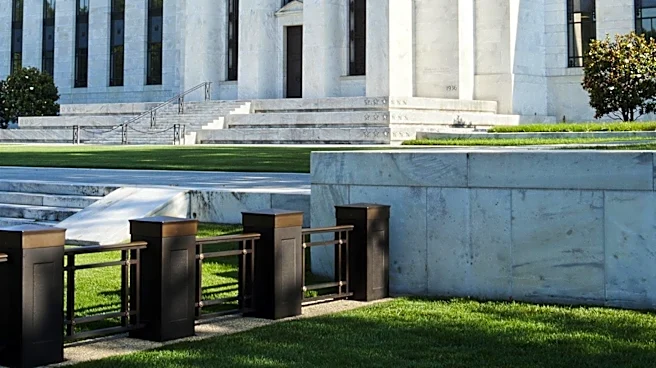
The Federal Reserve's preferred inflation measure, the Personal Consumption Expenditures (PCE) price index, has reached a three-year high, with consumer prices rising 4.1% in May compared to the previous year. This increase is largely attributed to higher
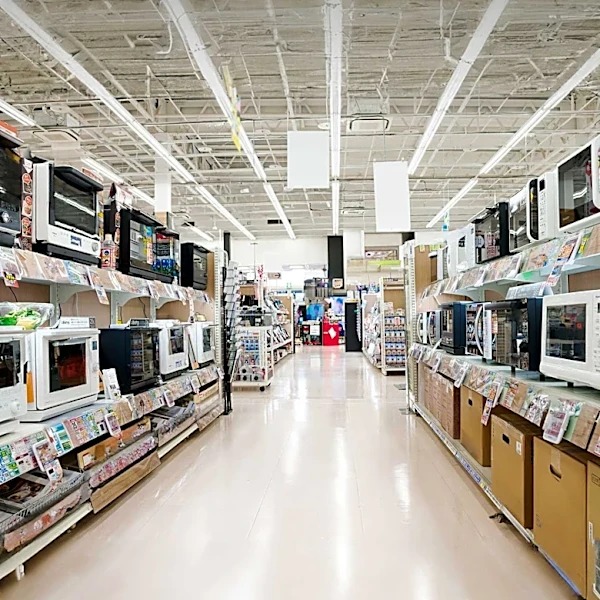
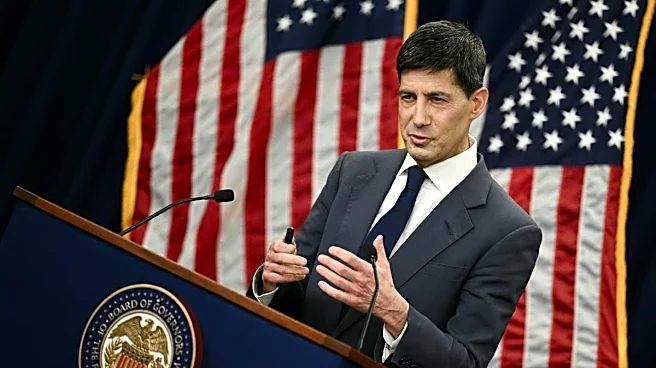
gas prices, which peaked due to geopolitical tensions, and the rising costs of semiconductors and computer equipment driven by the AI industry expansion. Despite a recent peace deal with Iran that has led to a decrease in gas prices, the overall inflation rate remains a concern. Core inflation, which excludes volatile food and energy prices, rose to 3.4%, marking the largest increase since October 2023. The Federal Reserve, under new chair Kevin Warsh, has maintained its key interest rate this year but may consider rate hikes if inflation persists.
Why It's Important?
The acceleration in inflation poses significant challenges for the U.S. economy and political landscape. Rising costs could impact consumer spending and economic growth, as households face higher prices for essentials like gas and technology products. The Federal Reserve's struggle to bring inflation back to its 2% target could lead to interest rate hikes, affecting borrowing costs for businesses and consumers. Politically, the inflation surge could create problems for President Trump and his party as midterm elections approach, with affordability becoming a key voter concern. The situation also highlights the broader economic impact of geopolitical events and supply chain disruptions on inflation.
What's Next?
As the Federal Reserve monitors inflation trends, potential interest rate hikes could be on the horizon if inflationary pressures do not ease. Economists are divided on the timing of such moves, but any decision to increase rates could have significant implications for financial markets and economic growth. Additionally, the recent decline in gas prices may provide some relief in the coming months, potentially stabilizing headline inflation. However, underlying inflationary pressures remain, driven by ongoing demand for technology components and services. The political implications of rising costs will likely continue to influence policy discussions and electoral strategies.