
What's Happening?
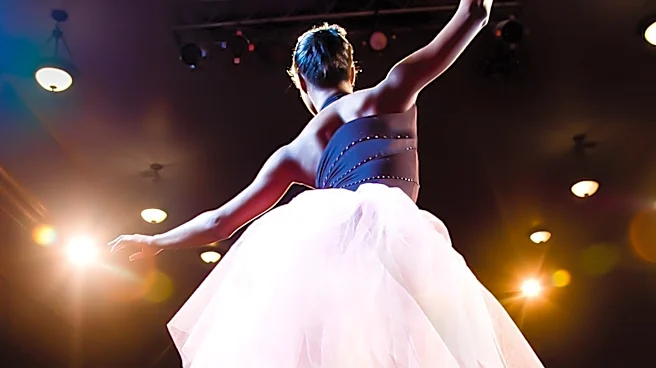
Isabella DeCandido, a Ballet BFA student at the University of Utah, recently performed a soloist role as a Dewdrop in an innovative rendition of 'Waltz of the Flowers' from Tchaikovsky's 'The Nutcracker.'
This performance was part of the university's fall concert, 'Continuum.' DeCandido described this role as a dream, having studied New York City Ballet's YouTube recording of Ashley Bouder's performance extensively. This marks DeCandido's first soloist role, which she noted has significantly challenged her to trust her technique and artistry. A key innovative element of this production was the integration of technology, specifically live projections of the dancers onto the backdrop during the 'Waltz of the Flowers.' The stage utilized two projectors: one camera above for live projection, and others projecting onto the floor and the cyclorama at the back. This technological aspect required the dancers, including DeCandido, to adapt to new lighting conditions that could affect their balance. The choreographer, Luc Vanier, aimed to blend classical tradition with modern innovation, creating a fresh interpretation of the beloved holiday classic.
Why It's Important?
This innovative approach to 'The Nutcracker' by the University of Utah's dance program highlights a growing trend in performing arts to integrate technology with classical forms. By incorporating live projections, the production offers a unique visual experience that can attract new audiences and engage existing ones in a different way. For dance students like Isabella DeCandido, performing in such a technologically advanced production provides invaluable experience in adapting to contemporary stage demands, pushing the boundaries of traditional ballet. This fusion of old and new can inspire other academic and professional dance companies to explore similar creative avenues, potentially revitalizing classic ballets and making them more accessible and appealing to modern viewers. It also underscores the importance of interdisciplinary collaboration, as technical teams work closely with choreographers and dancers to achieve these complex visual effects, fostering a more dynamic and evolving artistic landscape within the U.S. performing arts scene.
What's Next?
The success of this innovative 'Nutcracker' rendition at the University of Utah may encourage further experimentation with technology in future dance productions, both within the university and at other institutions. As dancers and choreographers gain more experience with integrated technological elements, audiences can anticipate increasingly immersive and visually dynamic performances. This could lead to new training methodologies in dance programs, preparing students for a future where technological proficiency is as crucial as classical technique. Furthermore, the positive reception of such productions might influence funding decisions for arts organizations, potentially directing more resources towards projects that blend traditional arts with modern technological advancements. This could also spark discussions within the broader dance community about how to best preserve the essence of classical ballet while embracing contemporary tools and techniques to keep the art form relevant and engaging for future generations.
Beyond the Headlines
The integration of live projections in a classical ballet like 'The Nutcracker' raises deeper questions about the evolution of performance art and the role of technology in artistic expression. While it offers exciting new possibilities for visual storytelling and audience engagement, it also prompts consideration of how technology might alter the traditional experience of live dance. There's a delicate balance between enhancing a performance with digital elements and potentially overshadowing the raw, human artistry of the dancers. This development could lead to a redefinition of what constitutes 'live' performance, as digital elements become increasingly integral. Ethically, it also opens discussions about accessibility and the digital divide, as advanced technological productions might require significant resources, potentially limiting their reach to smaller companies or communities. Culturally, such innovations reflect a broader societal trend of digital immersion, suggesting that even the most traditional art forms are adapting to a world increasingly shaped by technology, thereby ensuring their continued relevance in a rapidly changing cultural landscape.