





What's Happening?
Former WWE star MVP has publicly discussed his past challenge to WWE regarding their travel arrangements for wrestlers. Speaking on the 'Marking Out with MVP & Dwayne Swayze' podcast, MVP revealed that WWE transitioned from providing private charter flights
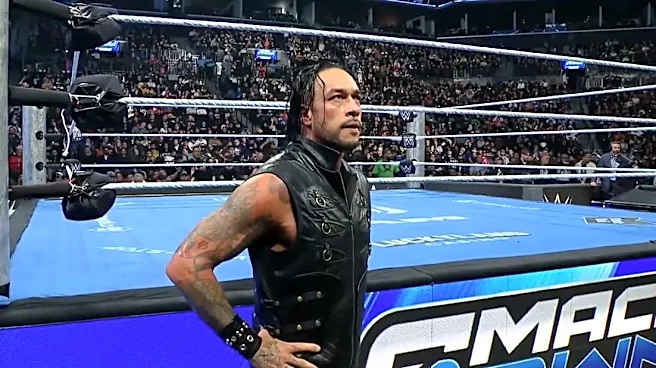
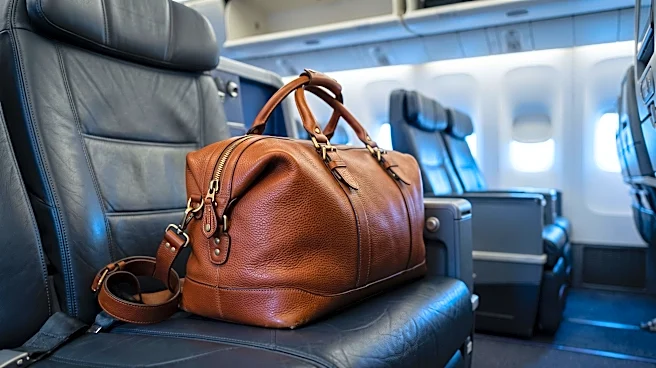
to economy-class tickets for its talent. He questioned this decision with John Laurinaitis, arguing that top wrestlers should receive comparable travel accommodations to athletes in other major sports. MVP prioritized improved travel arrangements during his subsequent contract negotiations, specifically requesting business-class flights. This issue was also raised by Damian Priest, who, during his 2024 WWE contract negotiations, successfully secured first-class flights. Priest explained on Cody Rhodes’ 'What Do You Want To Talk About?' podcast that flying in coach exacerbated his post-match pain due to cramped conditions, and WWE readily agreed to his request for an upgrade.
Why It's Important?
This situation highlights ongoing concerns within the professional wrestling industry regarding athlete welfare and compensation, particularly concerning travel conditions. The physical demands placed on WWE wrestlers are immense, with frequent travel being a significant component of their work. Flying in economy class can exacerbate physical strain and recovery times, potentially impacting performance and long-term health. MVP and Damian Priest's successful negotiations for better travel underscore a growing awareness among wrestlers of their value and the need for improved working conditions. This could set a precedent for other wrestlers to advocate for similar benefits, potentially leading to broader changes in how WWE and other wrestling promotions manage athlete logistics and well-being. The discussion also brings to light the disparity in treatment between professional wrestlers and athletes in other major sports leagues, where premium travel is often standard.
What's Next?
The public discussion by MVP and Damian Priest about their successful negotiations for upgraded travel could encourage other WWE wrestlers to pursue similar clauses in their contracts. As more wrestlers become vocal about their working conditions and leverage their negotiating power, WWE might face increased pressure to standardize better travel accommodations across its roster, especially for its top-tier talent. This could lead to a re-evaluation of company-wide travel policies to ensure wrestler well-being and satisfaction. Furthermore, this trend might influence other wrestling promotions to review their own travel policies to remain competitive in attracting and retaining talent. Future contract negotiations within the industry are likely to see travel class as a more prominent point of discussion, potentially leading to a gradual shift in industry standards.
Beyond the Headlines
The issue of wrestler travel extends beyond mere comfort; it touches upon broader themes of labor rights, athlete exploitation, and the evolving perception of professional wrestlers as legitimate athletes. For years, wrestlers have operated under unique contractual arrangements that often differ from those in traditional sports, sometimes leading to less comprehensive benefits. The push for better travel conditions reflects a growing collective consciousness among wrestlers about their rights and the need for improved occupational health and safety. This development could be a precursor to more significant changes in how wrestling promotions structure their talent contracts, potentially leading to better healthcare, retirement plans, and overall working conditions. It also challenges the traditional 'tough it out' mentality prevalent in wrestling, advocating for a more athlete-centric approach to talent management.