






What's Happening?
Luxury hotels across California are increasingly introducing high-end wellness suites and dedicated wellness floors to cater to a growing demand for health-focused travel. Properties like the Four Seasons Hotel Los Angeles at Beverly Hills, which pioneered
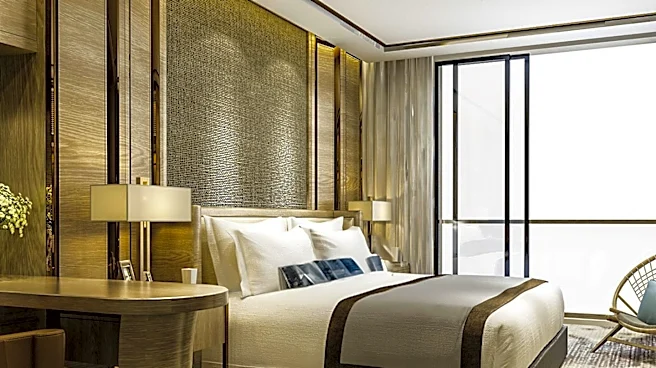
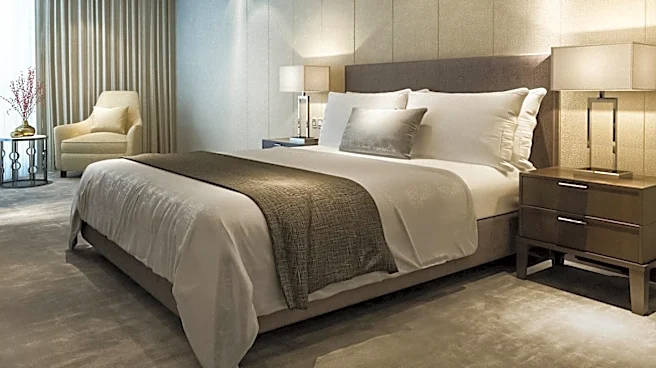
wellness rooms in 2017 and now features an entire wellness floor, offer amenities such as hypoallergenic hardwood flooring, water-purification systems, circadian rhythm lighting, and in-room yoga equipment. The Santa Monica Proper Hotel has upgraded rooms with temperature-controlled mattresses and provides access to an exclusive 'Proper Club' with cold plunges and saunas. The upcoming Lake Tahoe Proper will dedicate 50,000 square feet to wellness, including a spa, hydrotherapy, and various sports facilities. This trend is also seen in Hawaii, where Maui’s Grand Wailea debuted wellness rooms with air purifiers, Therabody equipment, and white-noise sound machines in 2024.
Why It's Important?
This trend signifies a significant shift in the U.S. hospitality industry, moving beyond traditional luxury to integrate comprehensive wellness experiences as a core offering. For consumers, it means more options for travel that prioritize physical and mental well-being, potentially leading to healthier and more rejuvenating vacations. For the hospitality sector, it represents a new revenue stream and a competitive differentiator, driving innovation in hotel design and service. The investment in specialized equipment and facilities also supports the broader wellness industry, including manufacturers of air purifiers, fitness gear, and sleep technology. This focus on wellness could influence future urban planning and architectural design, as hotels become hubs for health-conscious lifestyles, potentially impacting local economies through increased tourism and specialized employment opportunities.
What's Next?
The expansion of luxury wellness suites is expected to continue, with more hotels likely to adopt similar offerings to meet evolving consumer preferences. Travel advisors, such as Alexandra Shea, note that clients are increasingly seeking accommodations that support their strength-training routines and sleep quality, making wellness-oriented rooms a best fit. This suggests a sustained demand that will drive further investment and innovation in the sector. Hotels may also explore partnerships with health and fitness brands to enhance their offerings. The success of these initiatives could lead to a broader integration of wellness features into standard hotel rooms, making health and well-being amenities more accessible to a wider range of travelers.
Beyond the Headlines
The rise of luxury wellness suites reflects a deeper societal shift towards prioritizing health and self-care, even during leisure travel. It highlights a growing awareness of the impact of environment on well-being and the desire for personalized health solutions. This trend also raises questions about accessibility and equity, as these high-priced offerings cater to an affluent demographic, potentially widening the gap in health and wellness opportunities. Furthermore, it blurs the lines between hospitality, healthcare, and personal development, suggesting a future where travel experiences are increasingly curated to support holistic well-being, potentially influencing consumer expectations across various industries.