





What's Happening?
Alan Jones, Australia's 1980 Formula 1 world champion, has passed away at the age of 80. His wife, Amanda Butler-Davis, confirmed the news on November 5, following a short illness. While Australian reports indicated a recent cancer diagnosis, his family
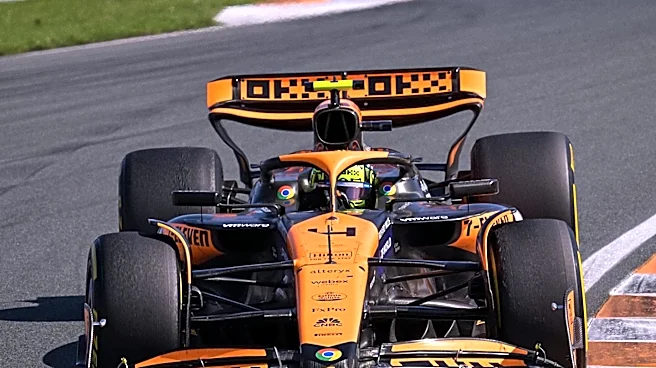
has not officially confirmed the cause of death. Jones' passing has prompted widespread tributes from across the Formula 1 community. Current McLaren driver Oscar Piastri shared a tribute on his Instagram Story, as did former Red Bull Team Principal Christian Horner and former F1 driver Mark Webber. Formula 1 CEO Stefano Domenicali and the Williams team, with whom Jones won his championship, also issued statements acknowledging his significant contributions to the sport. Jones made his F1 debut in 1975, secured his first Grand Prix victory in 1977, and joined Williams in 1978, leading them to their first Drivers' and Constructors' World Championships in 1980. He concluded his F1 career with 12 Grand Prix victories and later became a prominent voice in Australian motorsport broadcasting.
Why It's Important?
The passing of Alan Jones marks the loss of a significant figure in Formula 1 history, particularly for Australia and the Williams racing team. His 1980 World Championship was a landmark achievement, making him Australia's first Formula 1 world champion and establishing Williams as a formidable force in the sport. His legacy extends beyond his racing achievements, as he was known for his strong character and direct opinions, which resonated with fans and peers alike. His contributions helped shape the early success of Williams, a team that went on to achieve considerable prominence in Formula 1. The outpouring of tributes from current and former drivers, team principals, and F1 leadership underscores the deep respect and admiration he commanded within the global motorsport community. His career also highlights a golden era of Formula 1, where individual talent and team synergy led to iconic victories.
What's Next?
The Formula 1 community will continue to reflect on Alan Jones's legacy, with further tributes and remembrances likely to be shared in the coming days and weeks. His impact on Australian motorsport will undoubtedly be a focal point, especially given his status as the country's first F1 world champion. Discussions about his career and contributions to Williams's early success will likely resurface in motorsport media and historical analyses. His passing may also prompt a broader look at the careers of other pioneering figures in Formula 1, reinforcing the sport's rich history and the individuals who defined its early eras. Memorials or special recognitions at future Grand Prix events, particularly the Australian Grand Prix, could also be considered to honor his memory.
Beyond the Headlines
Alan Jones's career symbolizes a particular era of Formula 1, characterized by raw talent, fierce competition, and the development of iconic team-driver partnerships. His success with Williams, a relatively new team at the time, demonstrated the power of a strong vision and dedicated effort in a highly competitive environment. Beyond the statistics, Jones's 'straight with his opinions' persona contributed to the sport's colorful character, offering a glimpse into the personalities that captivated audiences. His transition from a world champion driver to a respected motorsport broadcaster also highlights the enduring connection many former athletes maintain with their sport, contributing to its narrative and public engagement long after their competitive careers conclude. His legacy serves as an inspiration for aspiring Australian drivers and a reminder of the foundational figures who built Formula 1 into a global phenomenon.