






What's Happening?
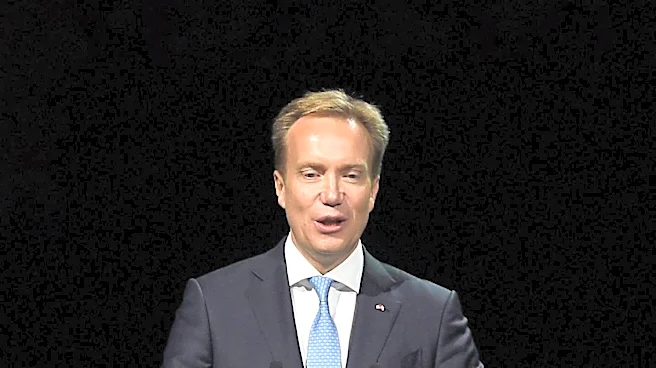
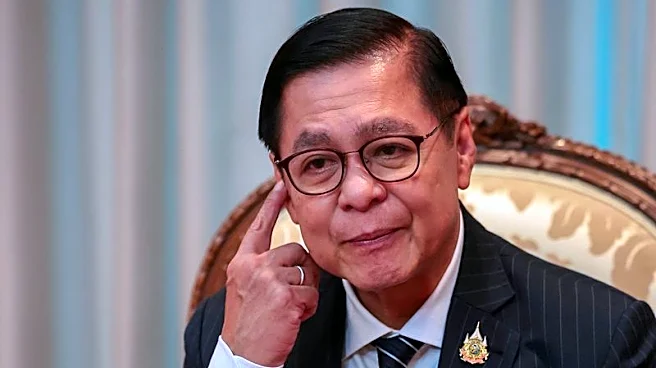
Timor-Leste's Minister of Foreign Affairs and Cooperation, Benedicto Freitas, stated on October 26 that while accession to the Association of Southeast Asian Nations (ASEAN) has brought economic opportunities, more effort is needed to fully leverage the benefits
of regional integration. Timor-Leste is also preparing to assume the ASEAN presidency in 2029. Freitas emphasized the need to strengthen the country's vision and realistically address the current situation to maximize economic gains from its ASEAN membership. This comes as the nation looks to deepen its engagement within the regional bloc and capitalize on the economic advantages that come with such integration.
Why It's Important?
Timor-Leste's proactive stance on strengthening its economic benefits from ASEAN membership is significant for its national development and regional stability. By seeking to maximize economic opportunities, Timor-Leste aims to improve its economic standing, attract foreign investment, and foster sustainable growth. Its upcoming presidency in 2029 will provide a platform to shape regional policies and initiatives, potentially influencing trade agreements, infrastructure development, and economic cooperation across Southeast Asia. This focus on economic integration can lead to increased trade flows, job creation, and improved living standards for its citizens, while also contributing to the overall economic resilience of the ASEAN bloc. The country's efforts highlight the ongoing importance of regional economic partnerships in a changing global landscape.
What's Next?
Timor-Leste will continue its preparations for the 2029 ASEAN presidency, which will involve strategic planning and diplomatic engagements to define its agenda and priorities for the leadership role. Domestically, the government is expected to implement policies and initiatives aimed at enhancing its capacity to absorb and benefit from ASEAN's economic frameworks. This may include reforms to attract investment, improve infrastructure, and develop human capital. Regionally, Timor-Leste will likely engage with other ASEAN member states to identify areas of mutual interest and cooperation, particularly in economic sectors. The country's performance during its presidency will be crucial in demonstrating its commitment to regional integration and its ability to contribute to ASEAN's collective goals.
Beyond the Headlines
Timor-Leste's journey to fully integrate into ASEAN's economic benefits reflects a broader trend among developing nations seeking to leverage regional blocs for growth. The emphasis on 'strengthening vision' and 'facing the current situation realistically' suggests an acknowledgment of both the potential and the challenges inherent in such integration. This includes navigating complex regional dynamics, ensuring equitable distribution of benefits, and adapting to evolving global economic conditions. The country's upcoming presidency also carries symbolic weight, showcasing its maturation as an independent nation and its growing role in regional diplomacy. Success in this endeavor could serve as a model for other emerging economies within and beyond Southeast Asia, demonstrating the transformative power of strategic regional engagement.