






What's Happening?
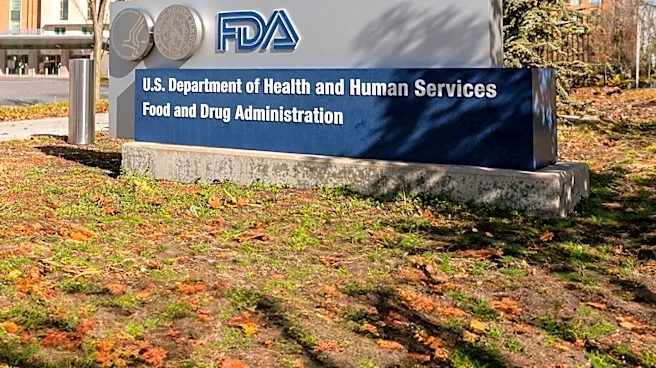
The U.S. Food and Drug Administration (FDA) has authorized microneedling devices for specific uses, primarily improving the appearance of facial acne scars, facial wrinkles, and abdominal scars in individuals aged 22 and older. Microneedling involves
devices with fine needles that create small punctures in the skin to stimulate collagen production, a process also known as collagen induction therapy. While effective for these authorized uses, the FDA and the American Academy of Dermatology (AAD) caution against the use of at-home needle rollers due to significant risks, including infection, scarring, spreading viruses, and skin damage from improper use. Furthermore, the FDA has not approved microneedling devices for delivering cosmetic products, medicines, vitamin solutions, or blood products like PRP into the skin, highlighting that such combined uses are outside their reviewed scope and carry unknown risks, including the formation of granulomas and the spread of infections if proper sterilization protocols are not followed.
Why It's Important?
This guidance from the FDA and AAD is crucial for public health and safety in the U.S. aesthetic market. It clarifies the authorized applications of microneedling, helping consumers make informed decisions and ensuring that medical professionals adhere to established safety standards. The warnings against at-home devices and unapproved combinations address a growing concern about the proliferation of unregulated beauty practices and products, which can lead to serious complications, including permanent skin damage, infections, and even blood-borne diseases. By emphasizing that microneedling intended to change skin structure is a medical procedure, it reinforces the need for trained healthcare professionals to perform these treatments in controlled environments. This helps protect consumers from unqualified practitioners and potentially harmful practices, while also setting clear boundaries for the beauty industry regarding product claims and usage.
What's Next?
Consumers seeking microneedling treatments should prioritize consultations with trained healthcare professionals in medical settings to ensure safety and efficacy. The FDA's stance will likely lead to increased scrutiny of at-home microneedling devices and products marketed for use with them, potentially resulting in stricter regulations or public awareness campaigns. Medical professionals will continue to emphasize the importance of using new, sterile needle tips for each patient and session, and avoiding unapproved product combinations. Further research may be conducted to evaluate the safety and efficacy of microneedling in conjunction with various serums or PRP, potentially leading to future FDA authorizations or updated guidelines. The aesthetic industry will need to adapt its marketing and product development to align with these regulatory and safety recommendations.
Beyond the Headlines
The discourse surrounding microneedling and its safe application delves into broader ethical and regulatory challenges within the rapidly expanding aesthetic industry. The ease of access to at-home devices and the influence of social media trends often outpace scientific validation and regulatory oversight, creating a landscape where consumers may unknowingly expose themselves to risks. This situation highlights the tension between consumer demand for accessible beauty solutions and the imperative for medical safety. The FDA's clear delineation of approved uses and warnings against unapproved combinations underscores the principle of 'do no harm' in medical aesthetics. It also prompts a re-evaluation of how beauty products are marketed and the responsibility of manufacturers and influencers to provide accurate, safety-conscious information, especially when procedures involve skin penetration and potential systemic effects.