




What's Happening?
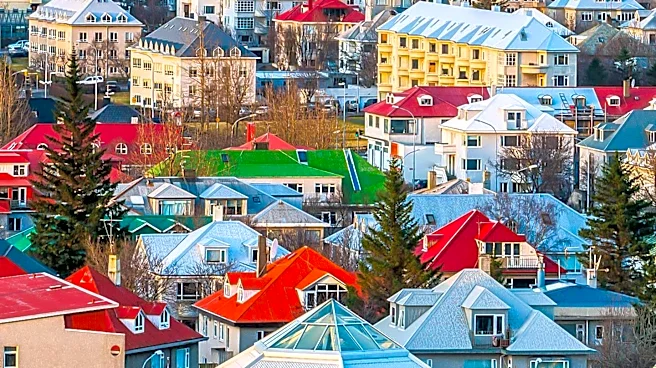
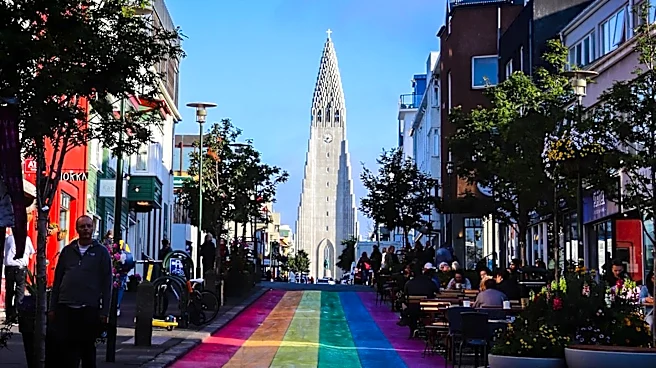
Reykjavik, the capital of Iceland, is highlighted as a family-friendly travel destination offering a wide array of activities both within the city and in the surrounding countryside. The city, with a population of just over 143,000, is situated in Southwest
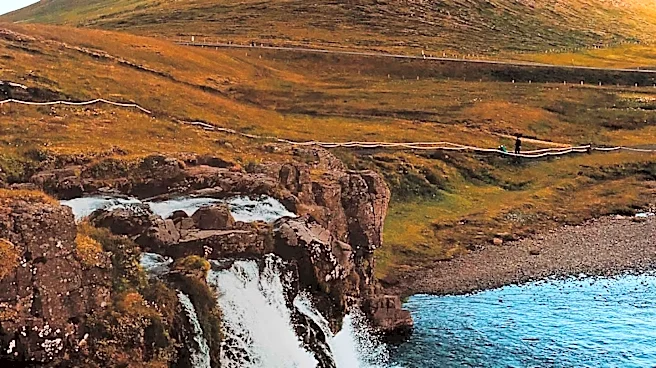
Iceland on Faxafloi Bay. Key attractions include geothermal sites like the Sky Lagoon, cultural landmarks such as the Hallgrímskirkja church and Harpa Concert Hall, and various museums like the National Museum of Iceland and the Settlement Exhibition. The city's compact and walkable nature makes it convenient for families, though a rental car is recommended for exploring areas outside Reykjavik. The article emphasizes Iceland's dramatic natural landscapes, including waterfalls, glaciers, and geysers, which are accessible through day trips like the Golden Circle. Family-specific advice includes renting a car for broader exploration, dressing in layers due to variable weather, and utilizing grocery stores to manage food costs. The best time to visit depends on desired activities, with summer offering extended daylight and winter providing opportunities to view the Northern Lights.
Why It's Important?
The promotion of Reykjavik as a family-friendly tourist destination is important for the U.S. tourism industry and American travelers. As a popular stopover point between North America and Europe, Iceland's appeal to families can influence travel patterns and expenditures. For U.S. families, the availability of diverse activities, from natural wonders to cultural experiences, provides an attractive alternative to traditional vacation spots. The emphasis on safety and ease of travel in Iceland can also reassure American parents considering international trips with children. Economically, increased tourism from the U.S. contributes to Iceland's service sector, including hospitality, transportation, and local businesses, while also offering U.S. airlines and travel agencies opportunities for increased bookings. The unique geological features and cultural heritage of Iceland also present educational opportunities for American children, fostering a broader global perspective.
What's Next?
Looking ahead, Reykjavik and Iceland are likely to continue refining their tourism offerings to cater to the growing family travel market. This could involve developing more interactive and educational exhibits at museums, expanding family-friendly accommodation options, and creating specialized tour packages that combine adventure with comfort for all ages. Local businesses may invest in infrastructure improvements to enhance accessibility and convenience for families, such as more car rental services equipped for children and diverse dining options. Marketing efforts will probably continue to highlight Iceland's unique blend of natural beauty, cultural richness, and safety, targeting U.S. families seeking memorable and enriching travel experiences. Additionally, as climate change impacts global travel, Iceland's focus on sustainable tourism practices may become an even greater draw for environmentally conscious American travelers.
Beyond the Headlines
Beyond the immediate appeal of tourism, the emphasis on family travel to Reykjavik and Iceland touches upon broader societal trends in the U.S. There's a growing desire among American families for experiential travel that offers both adventure and educational value, moving beyond passive entertainment. This shift reflects a cultural value placed on creating lasting memories and fostering global awareness in children. The Icelandic model of integrating natural wonders with accessible infrastructure and family-oriented services could influence how other destinations market themselves to U.S. families. Furthermore, the article subtly highlights the importance of practical considerations like budgeting (e.g., grocery shopping) and preparedness (e.g., layering clothes), which are crucial for successful family travel and resonate with the practical mindset of many American households planning international trips. The unique geological meeting point of continental plates in Iceland also offers a profound, tangible lesson in earth sciences, enriching the travel experience beyond mere sightseeing.