






What's Happening?
The history of the National Wrestling Alliance (NWA) World Heavyweight Championship is being highlighted, focusing on the reigns of its most significant champions. From its inception in 1948, the NWA aimed to establish a singular world champion, protect
member promotions, and regulate talent exchange. Over 40 years, numerous wrestlers held the title, with varying contributions to its legacy. Lou Thesz is identified as the greatest world champion in NWA history, holding the title for over 10 years across three reigns and defending it more than 1,600 times. Other notable champions discussed include Orville Brown, the inaugural champion whose reign was cut short by an automobile accident, and Ric Flair, who had three recognized NWA reigns and over 900 cumulative title defenses. The article also touches on the strategic business maneuvers behind some reigns, such as those of Giant Baba, and the short but impactful reign of Tommy Rich.
Why It's Important?
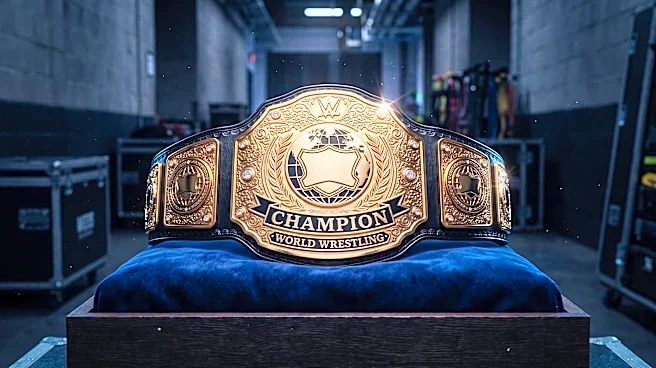
This historical review is important for understanding the foundational era of professional wrestling in the U.S. The NWA, before the rise of WWE, was the sport's most influential governing body, and its World Heavyweight Championship was considered the premier prize. The detailed accounts of champions like Lou Thesz, Orville Brown, and Ric Flair illustrate the evolution of wrestling styles, promotional strategies, and the demands placed on world champions. The emphasis on Thesz's extensive reign and global defenses underscores the championship's early credibility and international reach. This historical context provides insight into how professional wrestling established its narrative and competitive structure, influencing subsequent generations of wrestlers and promotions in the United States.
What's Next?
While the article primarily focuses on historical events, the continued discussion and analysis of wrestling history contribute to the ongoing narrative of the sport. Such retrospectives often fuel fan engagement, inspire new content, and inform contemporary wrestling storytelling. For current wrestling organizations, understanding the legacy of the NWA and its champions can provide valuable lessons in building credible and compelling championship reigns. The enduring appeal of these historical figures and their accomplishments suggests that their influence will continue to be felt in wrestling discussions and potential future tributes or documentaries.
Beyond the Headlines
Beyond the immediate historical facts, this exploration delves into the cultural significance of professional wrestling championships. The NWA World Heavyweight Championship was not merely a prop but a symbol of athletic prowess, promotional power, and narrative continuity. The stories of champions like Thesz, who embodied a 'scientific' approach, versus brawlers or showmen, reflect broader societal shifts in entertainment and sports. The challenges faced by champions, such as rigorous travel schedules and the need to legitimize the title, highlight the unique demands of the wrestling profession. This historical perspective offers a lens through which to examine the evolution of sports entertainment and its role in American popular culture, showcasing how these figures became enduring legends.