






What's Happening?
As summer heatwaves become more frequent, gardeners are advised to take specific measures to protect their plants from extreme temperatures. According to recent guidance, most vegetables and native plants can endure occasional heatwaves, but prolonged
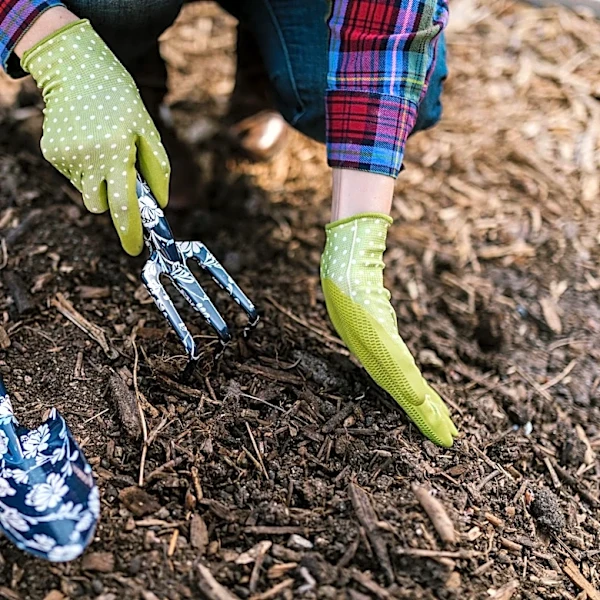
high temperatures can stress plants, especially when soil moisture is depleted. To mitigate this, experts recommend watering plants in the early morning to minimize evaporation and using mulch to retain soil moisture. Additionally, shade cloths and tree bags are suggested to protect plants and young trees, respectively. These methods aim to reduce plant stress and prevent diseases that thrive in hot, wet conditions.
Why It's Important?
The advice is crucial for maintaining healthy gardens and landscapes during increasingly common heatwaves, which can have significant impacts on plant health and productivity. By implementing these strategies, gardeners can ensure their plants continue to thrive despite challenging weather conditions. This is particularly important for food production, as heat stress can delay fruiting in crops like beans and tomatoes. Moreover, maintaining healthy gardens contributes to local ecosystems and biodiversity, providing habitats for various species. The guidance also helps gardeners avoid unnecessary water waste and financial loss from ineffective watering practices.
What's Next?
Gardeners are encouraged to adopt these practices as part of their regular maintenance routines, especially as climate change is expected to increase the frequency and intensity of heatwaves. Extension services and agricultural colleges may continue to provide resources and support to help gardeners adapt to changing conditions. Additionally, there may be increased interest in developing more heat-resistant plant varieties and innovative gardening tools to further assist in managing extreme weather impacts.