



What's Happening?
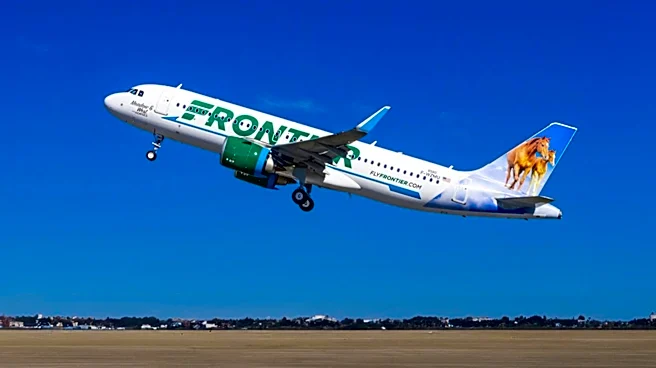
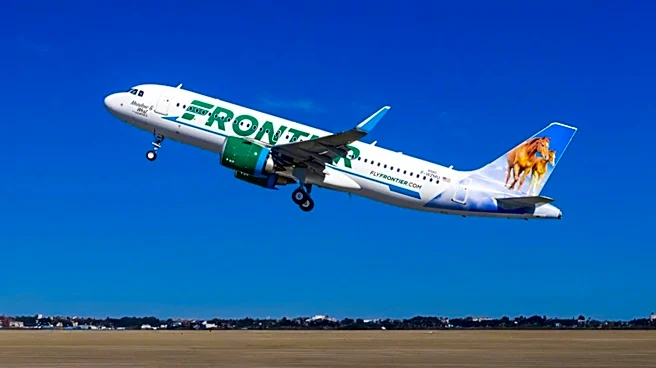
Frontier Airlines has announced a significant expansion of its services at Detroit Metropolitan Wayne County Airport (DTW), introducing new nonstop service to New York’s LaGuardia Airport (LGA). This new route will offer daily flights during peak holiday
travel periods and three times weekly during other times, commencing later this fall. This move is part of Frontier's strategy to take over routes previously operated by Spirit Airlines, which ceased its operations earlier this year. With the addition of the LGA service, Frontier will now serve 15 nonstop destinations from DTW, 11 of which were formerly offered by Spirit. The airline is also increasing flight frequencies to several other key destinations, including Fort Lauderdale-Hollywood International Airport (FLL), Tampa International Airport (TPA), Orlando International Airport (MCO), and Miami International Airport (MIA). This growth is projected to result in a 41% increase in total available seats from DTW in March 2027 compared to March 2026. Furthermore, Frontier is enhancing its onboard experience by introducing First Class seating and high-speed Starlink connectivity across its fleet, alongside its existing UpFront Plus seating option.
Why It's Important?
This expansion by Frontier Airlines is important for the U.S. airline industry and consumers, particularly in the Detroit and New York markets. By stepping in to cover routes previously served by Spirit Airlines, Frontier is helping to maintain connectivity and competition, preventing potential service gaps. The increased capacity and new routes offer more affordable travel options for cost-conscious consumers, aligning with Frontier's mission to provide low-cost, high-value travel. The introduction of First Class seating and Starlink Wi-Fi signifies a strategic shift for a value-focused airline, aiming to attract a broader customer base by enhancing comfort and connectivity without abandoning its core affordable fare model. This could put pressure on other budget airlines to innovate their offerings and potentially lead to a more competitive landscape in terms of both price and amenities. For Detroit, the growth means more direct access to key destinations, which can boost local tourism and business travel, while New York gains additional inbound travel options.
What's Next?
Following the launch of the new Detroit-LaGuardia service later this fall, Frontier Airlines will likely monitor passenger demand and operational efficiency to determine further expansion opportunities. The airline's continued investment in product upgrades, such as First Class seating and Starlink connectivity, will roll out across its fleet, aiming to enhance the customer experience and attract more travelers. Promotional fares, like the $69 introductory offer for the new LGA route, are expected to continue as a strategy to stimulate demand and solidify Frontier's presence in these expanded markets. Competitors will likely observe Frontier's success in integrating these premium offerings into its low-cost model, potentially influencing their own service strategies. The airline's frequent flyer program, Frontier Miles, will also continue to be a focus, with benefits like family pooling of miles and attainable Elite status designed to foster customer loyalty. The full impact of Spirit Airlines' departure from these routes and Frontier's subsequent expansion will become clearer as the new services mature.
Beyond the Headlines
Frontier Airlines' strategic move to absorb routes previously operated by Spirit Airlines highlights a broader trend in the U.S. airline industry where low-cost carriers are increasingly vying for market share and adapting their service models. The introduction of premium features like First Class and high-speed internet by a budget airline challenges the traditional segmentation of the airline market. This could lead to a blurring of lines between ultra-low-cost carriers and more traditional airlines, as passengers increasingly expect a balance of affordability and comfort. The emphasis on fuel-efficient fleets and technological upgrades like Starlink also underscores the industry's ongoing efforts to improve operational efficiency and sustainability, which are becoming critical factors for both airlines and environmentally conscious travelers. This evolution suggests a future where even budget travel might offer a more refined experience, potentially reshaping consumer expectations for air travel across all price points.