









What's Happening?
Software stocks experienced a sharp decline following IBM's disappointing second-quarter results, which revealed a shift in client spending from software to hardware. IBM reported revenues of $17.2 billion, missing the $17.86 billion consensus, and noted
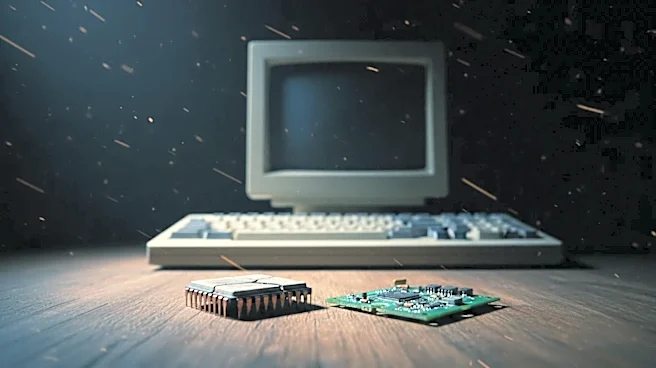
that clients are prioritizing hardware purchases due to a global memory supply shortage. This shift, referred to as 'capex reprioritization,' is driven by the need to secure critical hardware amid rising memory prices, leaving less budget for software investments. The impact of this trend is evident in the stock declines of major software companies like Accenture, ServiceNow, and Salesforce.
Why It's Important?
The shift in enterprise capital expenditure from software to hardware is a significant development for the tech industry. It reflects the challenges posed by a global memory shortage and the increasing demand for AI infrastructure, which is consuming a large portion of available memory resources. This trend could lead to a slowdown in software sales and impact the growth of the software-as-a-service (SaaS) sector. Companies may need to reassess their strategies to adapt to these changes, potentially affecting their revenue and market positions. The situation also highlights the interconnectedness of hardware and software markets and the need for balanced investment strategies.
What's Next?
As enterprises continue to prioritize hardware investments, software companies may face short-term revenue challenges. This could prompt a reevaluation of pricing strategies and product offerings to align with client needs. Additionally, the industry may see increased efforts to address memory supply constraints and explore alternative solutions to meet the growing demand for AI infrastructure. Companies will need to navigate these challenges to maintain competitiveness and capitalize on emerging opportunities in the tech sector.