



What's Happening?
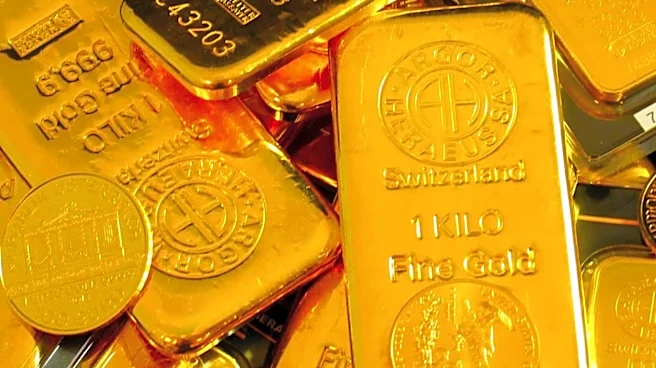
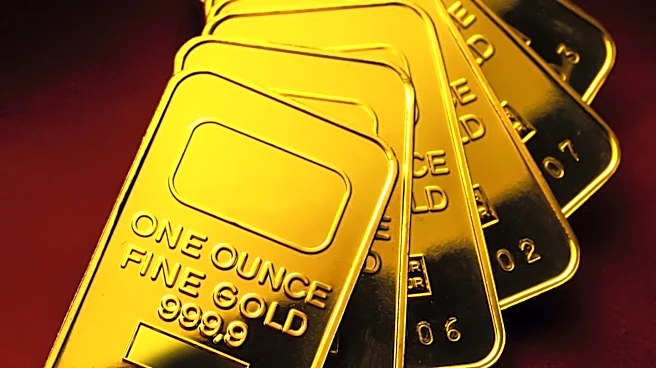
Gold prices have faced significant pressure in 2026 due to rising real interest rates, which have increased the opportunity cost of holding non-yielding assets like gold. Despite geopolitical and fiscal conditions that typically support gold as a safe-haven
asset, the metal has struggled as markets adjusted to expectations of higher interest rates. Analysts from BCA Research suggest that the worst of the real rates' impact on gold may be over, as the focus shifts to whether these rates can rise further. The World Gold Council notes that gold's performance is influenced by inflation levels, real rates, and dollar strength, with current conditions potentially setting a floor for gold prices.
Why It's Important?
The dynamics of real interest rates and their impact on gold prices are crucial for investors and policymakers. As real yields rise, the attractiveness of gold diminishes, affecting investment strategies and portfolio allocations. The potential stabilization of real rates could signal a shift in market sentiment, providing relief to gold investors. Additionally, the ongoing accumulation of gold by central banks and themes like de-dollarization underscore the metal's strategic importance in global finance. Understanding these factors is essential for stakeholders navigating the complex interplay between monetary policy, inflation, and asset valuation.