




What's Happening?
Master gardener and author Simon Akeroyd has showcased a straightforward method for home composting known as trench composting. This technique allows individuals to convert kitchen scraps into organic matter without needing a traditional compost bin or pile.
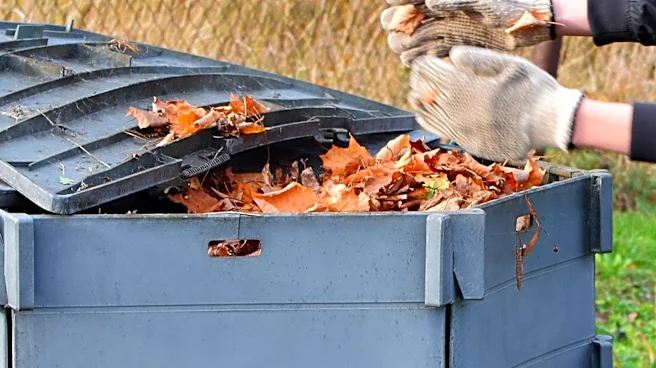
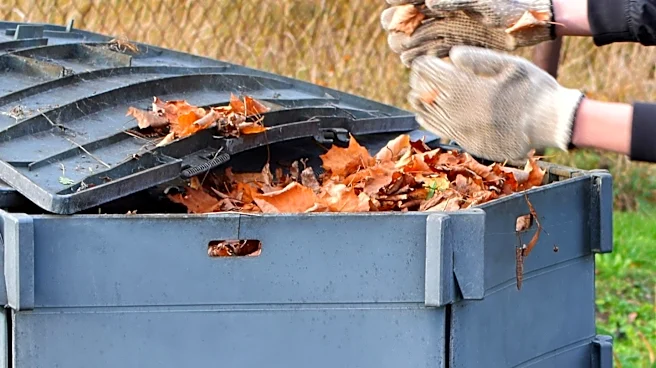
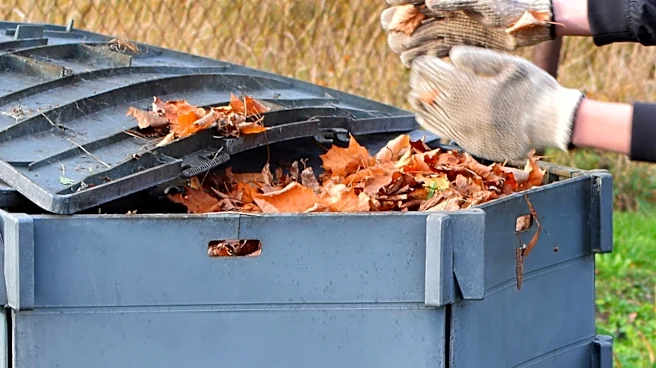
The process involves digging a foot-deep hole in a garden, placing plant-based kitchen scraps inside, chopping them into smaller pieces with a shovel, adding leaves or other dead foliage, and then covering the mixture completely with soil. This method is designed to be accessible and efficient for gardeners. Suitable kitchen scraps for trench composting include eggshells, banana peels, potato peels, various fruit and vegetable scraps, coffee grounds, citrus peels, and stale bread. Chopping these items into smaller pieces is recommended to accelerate decomposition. Certain items should be avoided, such as whole nuts, nut shells, avocado peels, oils, grease, meat, fish, bones, and dairy products, as they can decompose slowly, create odors, or attract pests. Additionally, shredded newspaper, plain paper towels, dry leaves, untreated yard waste, and torn cardboard can be incorporated as 'brown' materials to add carbon, absorb moisture, and control odors.
Why It's Important?
This composting method offers a practical solution for individuals seeking to reduce household waste and enrich their garden soil. By transforming kitchen scraps into compost, gardeners can improve soil structure, fertility, and water retention, leading to healthier plants and potentially reducing the need for chemical fertilizers. The simplicity of trench composting makes it accessible to a wider audience, including those with limited space or resources for traditional composting systems. This approach also contributes to environmental sustainability by diverting organic waste from landfills, where it would otherwise produce methane, a potent greenhouse gas. The ease of implementation, as demonstrated by Akeroyd, could encourage more households to adopt composting practices, fostering a greater connection to sustainable living and resource management within communities. The method's ability to deter pests by burying scraps also makes it a more appealing option for urban and suburban gardeners.
What's Next?
As awareness of simple composting methods like trench composting grows, it is likely that more individuals and community gardens will adopt similar practices. Educational initiatives, such as local workshops on composting basics and vermicomposting, may see increased participation. The UofL Community Composting Volunteer Days, held every Sunday, could serve as a model for other communities looking to promote hands-on composting education and engagement. Continued sharing of practical gardening tips by experts like Simon Akeroyd on social media platforms will further disseminate these accessible techniques. This could lead to a broader movement towards decentralized waste management at the household level, reducing the burden on municipal waste systems and promoting local food production. The emphasis on using readily available materials and simple tools makes this method easily replicable and scalable for individual use.
Beyond the Headlines
The promotion of simple composting techniques like trench composting reflects a broader societal shift towards self-sufficiency and environmental consciousness. This method not only addresses waste management but also fosters a deeper understanding of ecological cycles and soil health. By actively participating in the decomposition process, individuals can gain a more tangible connection to the food they consume and the waste they produce. Ethically, it encourages a more responsible approach to consumption and resource utilization, moving away from a linear 'take-make-dispose' model. Culturally, it could revive traditional gardening practices that emphasize working with nature rather than against it. The long-term implications include a potential reduction in household carbon footprints, improved local food security through enhanced soil quality, and a more resilient urban ecosystem. This simple act of burying kitchen scraps can be seen as a small but significant step towards a more sustainable and regenerative lifestyle.