








What's Happening?
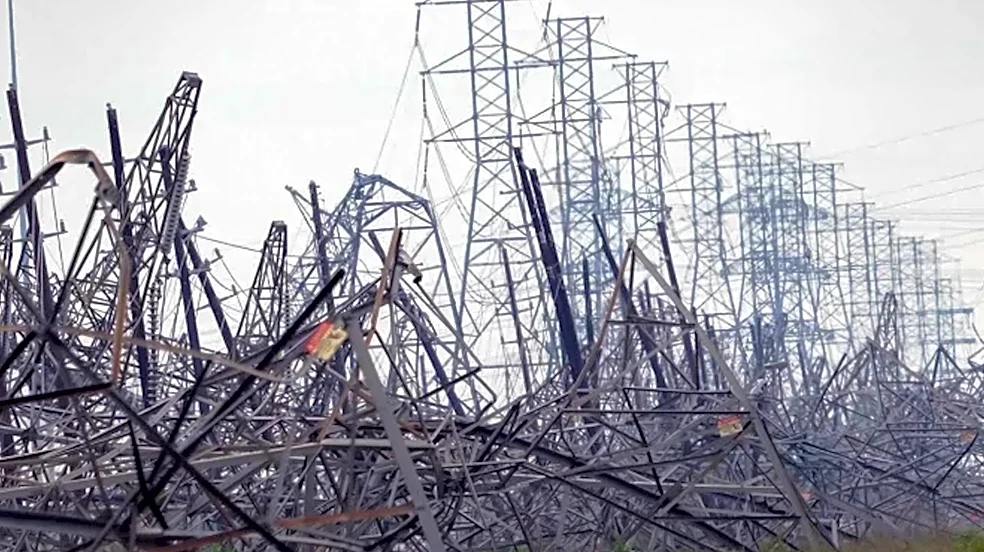
Businesses in Corpus Christi, Texas, are subject to a storm restoration surcharge, known as Rider SRC, on their AEP Texas electricity bills. This surcharge is designed to recover costs associated with repairing infrastructure damage from past storms,
primarily Hurricane Harvey and subsequent events. For accounts consuming under 10 kW, the charge adds approximately 0.1943 cents per kWh. For demand-metered accounts, the charge is $0.4222 per kW. This line item is mandated by the Public Utility Commission and applies to all customers within the AEP Texas system, regardless of their chosen retail electricity provider. The presence of this surcharge means that Corpus Christi businesses pay more in delivery charges compared to similar businesses in other parts of Texas, such as Dallas, which are not exposed to the same level of hurricane risk.
Why It's Important?
The storm restoration surcharge significantly impacts the operating costs for businesses in Corpus Christi, making electricity more expensive than in other Texas regions. This additional cost can affect the competitiveness of local businesses, particularly those with high energy consumption. While the charge may seem small on individual bills, it accumulates, adding to the overall financial burden. The fact that this surcharge is non-negotiable and applies to all customers underscores the long-term financial consequences of natural disasters on regional economies and infrastructure. It highlights how the costs of climate-related events are distributed among ratepayers, influencing local economic development and potentially deterring new businesses from establishing in areas prone to such surcharges. The transparency of this charge, being a distinct line item, also brings to light the direct financial impact of infrastructure resilience efforts.
What's Next?
Businesses in Corpus Christi will continue to bear the storm restoration surcharge as long as it is mandated by the Public Utility Commission to recover past storm damage costs. There is no indication that this surcharge will be removed in the near future, as it is tied to the ongoing recovery and resilience efforts following significant weather events. Businesses may explore strategies to reduce their overall electricity consumption or demand to mitigate the impact of this and other charges. The ongoing presence of such surcharges could also prompt discussions among local business communities and policymakers about long-term solutions for funding infrastructure resilience and disaster recovery, potentially leading to new policy considerations or funding mechanisms to alleviate the burden on ratepayers.
Beyond the Headlines
The storm restoration surcharge in Corpus Christi illustrates a broader trend of how the financial burden of climate change and extreme weather events is increasingly being passed on to consumers and businesses. This situation raises ethical questions about equitable cost distribution for climate resilience and disaster recovery. While essential for rebuilding infrastructure, these surcharges can create economic disparities between regions, potentially hindering growth in vulnerable areas. The legal framework established by the Public Utility Commission to implement such charges highlights the regulatory challenges in managing the financial aftermath of natural disasters. Culturally, there may be a growing awareness and demand for more proactive and preventative measures to protect infrastructure, rather than solely relying on post-disaster recovery surcharges. This scenario underscores the need for comprehensive national strategies to address climate resilience funding, ensuring that the costs are borne fairly and do not disproportionately impact specific communities or industries.