





What's Happening?
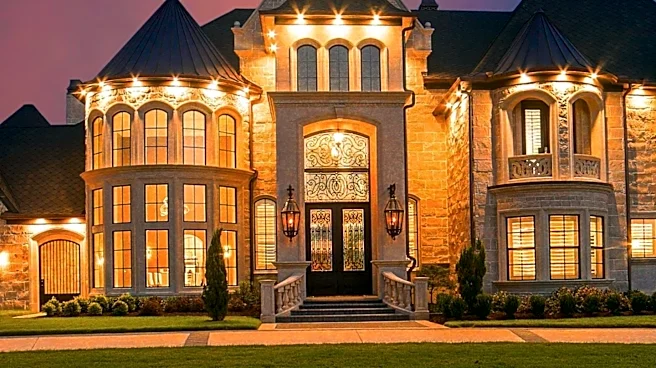
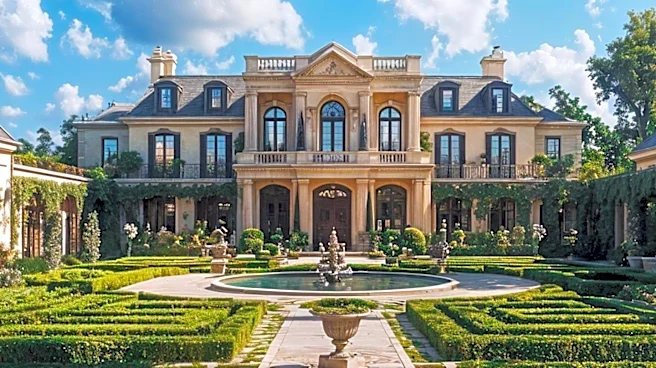
The mansion that served as Wayne Manor in the 1960s Batman TV series is now on the market for $32 million. Located on S San Rafael Ave in Pasadena, the grand Tudor-style home was previously sold for $20.8 million in 2025. The property, which spans 19,000
square feet, includes seven bedrooms, 11 bathrooms, and features reminiscent of a 17th-century castle, such as leaded-glass windows and turrets. It also boasts a massive home theater, a pickleball court, and a luxurious outdoor swimming pool with rock waterfalls. Despite its allure, experts caution potential buyers about the significant hidden costs associated with maintaining such a historic property, including staff, security, and upkeep expenses.
Why It's Important?
The sale of this iconic property highlights the financial implications of owning a piece of Hollywood history. While the mansion's cultural significance and unique features make it a desirable purchase, the ongoing costs of maintenance and security can be substantial. These expenses, estimated to range from $300,000 to $600,000 annually, underscore the financial commitment required beyond the initial purchase price. Additionally, owning a famous property can impact privacy, as it attracts public attention and remains a part of popular culture. This situation illustrates the broader challenges faced by buyers of historic and culturally significant real estate.
What's Next?
Potential buyers of the Wayne Manor property must consider the long-term financial and privacy implications of such a purchase. The property's listing agents, Peter Owens and Shannon Scavo, are tasked with finding a buyer willing to embrace these challenges. The market for historic homes is often niche, and the unique nature of this property may require a specific type of buyer who values its cultural significance. As the sale progresses, it will be important to monitor how these factors influence the property's marketability and eventual sale.
Beyond the Headlines
The sale of the Batman TV series mansion also raises questions about the preservation of historic properties and their role in modern real estate markets. As these homes age, maintaining their structural integrity and historical features becomes increasingly important. This situation highlights the need for potential buyers to balance the desire for cultural heritage with practical considerations of upkeep and modernization. The ongoing interest in such properties reflects a broader societal appreciation for historical and cultural landmarks, even as they pose unique challenges for owners.