



What's Happening?
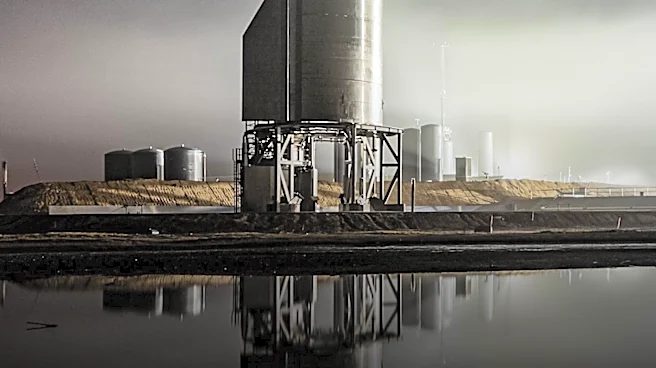
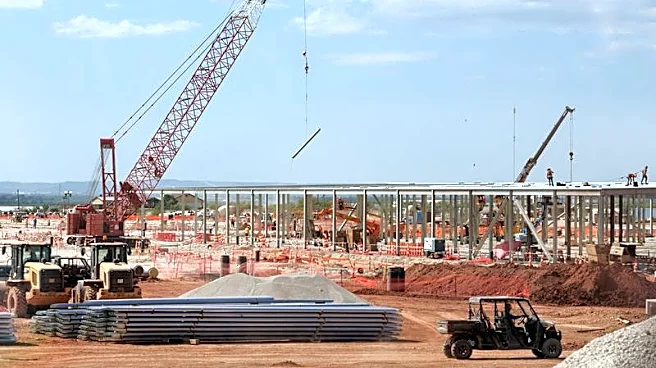
Elon Musk has announced that a secretive SpaceX facility in Bastrop, Texas, will play a crucial role in addressing the power bottleneck currently hindering the artificial intelligence (AI) industry. This facility, which is a foundry, will produce turbine
components necessary to power data centers, rather than manufacturing chips. Musk stated on August 30 that SpaceX is tackling a manufacturing constraint that has become a significant issue for the rapidly growing AI sector. He explained that both SpaceX and Tesla are aiming to build 100 GW/year of solar production capacity, but natural gas will be needed as a supplement for several years. The limiting factor for natural gas turbine production is the casting of blades and vanes. By conducting in-house casting at SpaceX, Musk believes they can accelerate the availability of natural gas turbines by up to 18 months, which he described as a 'profound game-changer.' This initiative comes as AI companies face dual constraints of chip supply and electricity supply, with the International Energy Agency projecting global data center electricity consumption to double by 2030.
Why It's Important?
The rapid expansion of AI infrastructure is creating unprecedented demand for electricity, leading to a significant power bottleneck. Musk's initiative to leverage SpaceX's manufacturing capabilities to produce turbine parts directly addresses this critical issue, potentially accelerating the deployment of AI data centers. This move highlights the interconnectedness of various high-tech industries and the innovative approaches being taken to overcome infrastructure challenges. By speeding up the availability of natural gas turbines, SpaceX could enable faster AI development and deployment, impacting sectors from cloud computing to autonomous systems. The reliance on natural gas as a transitional energy source also underscores the current limitations of renewable energy in meeting the immediate, massive power demands of AI, and the strategic importance of diversified energy solutions. This development could also influence energy policy and investment in power generation infrastructure across the U.S.
What's Next?
The SpaceX foundry's production of turbine components is expected to significantly reduce the lead time for natural gas turbines, potentially by up to 18 months. This acceleration could alleviate some of the immediate power constraints faced by AI data centers. The success of this in-house manufacturing effort could encourage other tech giants to invest in similar vertical integration strategies for critical infrastructure components. It also signals a potential shift in how AI companies secure their energy needs, moving towards more direct involvement in power generation or partnerships with energy providers. The increased availability of natural gas turbines, even as a temporary solution, will likely impact the energy market, potentially increasing demand for natural gas in the short to medium term. Long-term, this could spur further innovation in energy storage and renewable energy solutions to meet the ever-growing power demands of AI sustainably.
Beyond the Headlines
Musk's decision to use SpaceX's foundry for turbine production reveals a deeper strategic imperative: controlling critical bottlenecks in the supply chain for emerging technologies. This vertical integration approach, common in Musk's other ventures, aims to mitigate external dependencies and accelerate development. The move also underscores the immense energy footprint of AI, prompting broader discussions about the environmental impact of advanced computing and the need for sustainable energy solutions. The 'secretive' nature of the Bastrop facility and its sudden pivot to addressing an AI-related energy problem highlights the agility and sometimes opaque operations of tech giants. This development could also spark a debate about the role of private companies in addressing national infrastructure challenges, and whether such initiatives should be subject to greater public oversight or coordination with government energy strategies. The long-term implications include a potential reshaping of the energy sector to better serve the demands of the digital economy.