







What's Happening?
American Eagle Outfitters is facing renewed scrutiny regarding the working conditions of garment factory employees who produce their jeans, following a controversial advertising campaign featuring actress Sydney Sweeney. The ad, which ran in July last
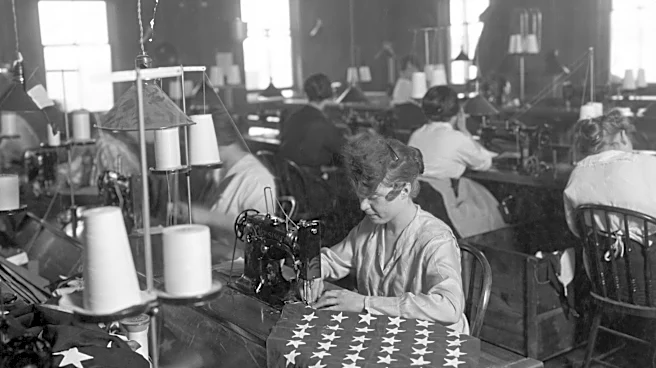
year with the tagline 'Sydney Sweeney has great jeans,' initially sparked debate over its perceived eugenic undertones. However, the focus has shifted to the laborers in countries like Pakistan and Bangladesh, where the majority of American Eagle's clothing is manufactured. Workers, including one identified as S., a single mother in Karachi, Pakistan, report being paid approximately $144 a month, working in 'oppressively hot' conditions, and facing pressure to meet high production targets. S. claims to have fainted multiple times due to the heat and inability to take breaks. Artistic Garment Industries, a supplier for American Eagle, confirmed its association but disputes claims of poor conditions, stating it has a robust complaints system and monitors factory temperatures. American Eagle has stated its commitment to protecting worker rights and is taking the concerns seriously.
Why It's Important?
This situation highlights significant ethical and supply chain challenges within the U.S. fast fashion industry. American consumers, often far removed from manufacturing processes, are increasingly demanding transparency and ethical production. The allegations against American Eagle's suppliers, if substantiated, could damage the brand's reputation and lead to consumer backlash. It also underscores the vulnerability of garment workers in developing nations, who often endure low wages, extreme heat, and demanding production quotas to meet the rapid turnaround times and thin profit margins characteristic of fast fashion. The debate extends beyond a single brand, raising questions about the effectiveness of current auditing systems and the broader responsibility of U.S. retailers to ensure humane working conditions throughout their global supply chains. This could influence future purchasing decisions and push for stricter regulations or industry-wide ethical standards.
What's Next?
The International Accord, a legally binding commitment involving brands, companies, and trade unions, is set to develop a protocol on heat stress, making worker cooling an enforceable commitment for apparel companies in Bangladesh and Pakistan that have signed on. This means International Accord staff will regularly inspect factories to ensure they are kept cool. While some brands like H&M have indicated they are part of pilot programs for heat stress in Pakistan, the effectiveness of these measures and the willingness of all brands to commit to long-term improvements remain to be seen. Workers' rights groups, such as Labor Behind the Labels, continue to criticize the auditing system, suggesting it is often ineffective due to advance warnings given to factories. The ongoing scrutiny could pressure American Eagle and other major U.S. retailers to enhance their oversight and invest more in improving working conditions for their global workforce.
Beyond the Headlines
The controversy surrounding American Eagle's supply chain delves into the deeper ethical implications of globalized manufacturing and consumer culture. The 'fast fashion' model, driven by rapid trends and low prices, often externalizes its true costs onto vulnerable workers and the environment. The reported conditions—low wages, extreme heat, and lack of basic amenities—raise fundamental questions about human dignity and corporate accountability. This situation also exposes the limitations of current corporate social responsibility initiatives, particularly when workers fear reprisal for speaking out. The disconnect between the glamorous image projected by celebrity endorsements and the harsh realities of production highlights a systemic issue where the pursuit of profit can overshadow ethical considerations, prompting a broader societal discussion on sustainable consumption and equitable labor practices across international borders.