




What's Happening?
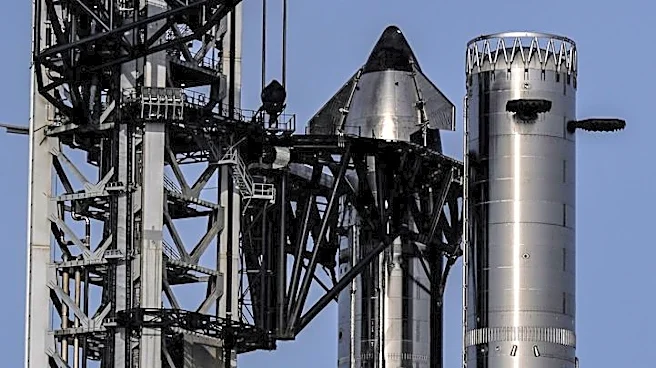
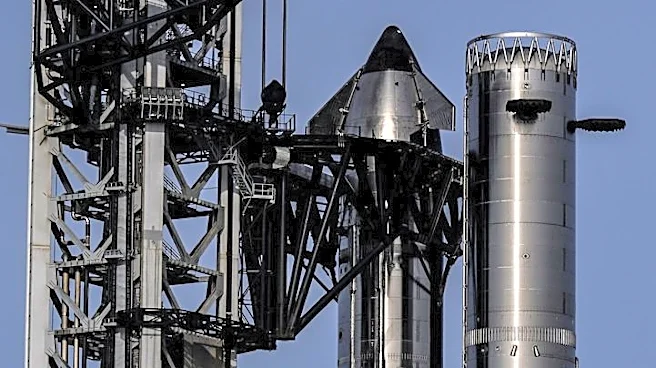
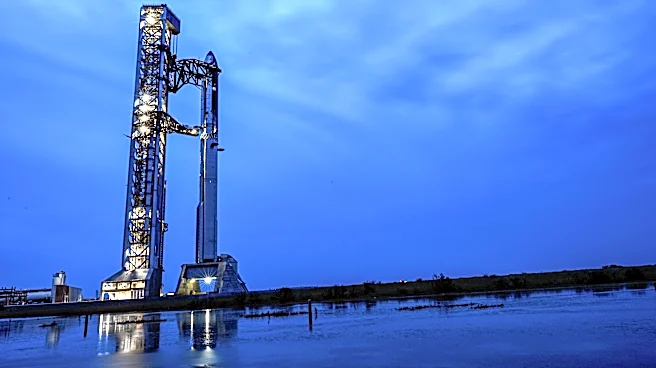
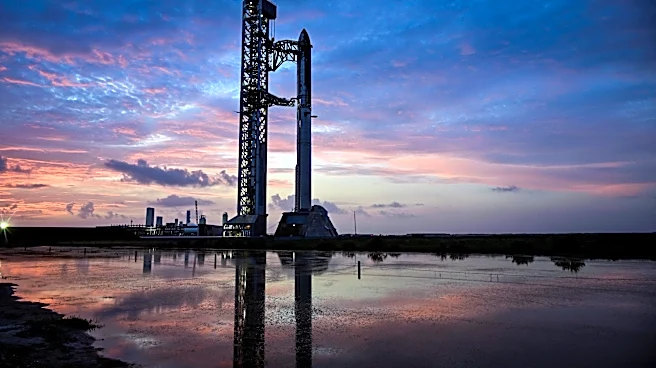
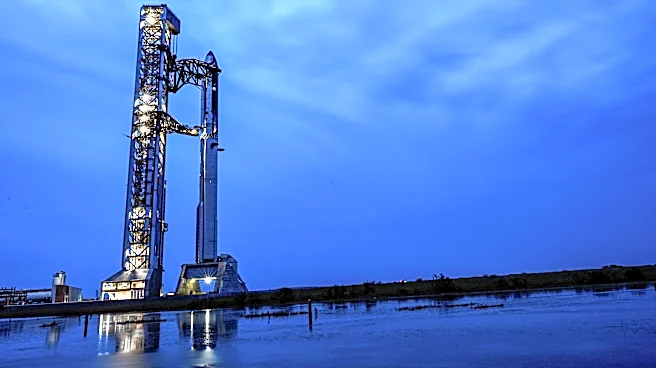
SpaceX has successfully completed the 13th test flight of its Starship system, deploying 20 next-generation Starlink satellites and achieving a controlled splashdown in the Indian Ocean. Despite the success, the Super Heavy booster experienced issues,
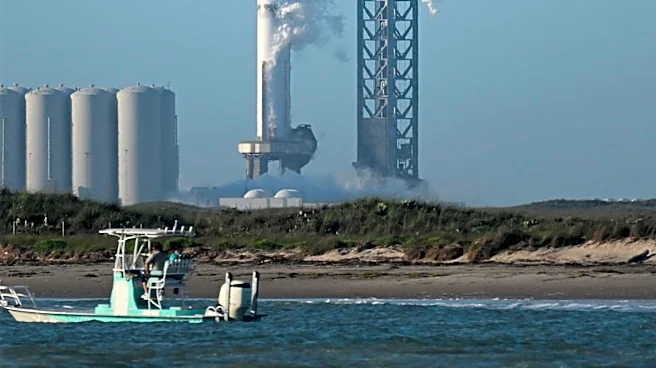
with only five of the 13 engines relighting, causing it to strike the Gulf of Mexico at high speed. Concurrently, SpaceX is embroiled in a legal battle with environmental groups over a land swap deal with the U.S. Fish and Wildlife Service. The deal involves SpaceX acquiring land from the Lower Rio Grande Valley National Wildlife Refuge, which environmentalists argue harms local wildlife and violates laws.
Why It's Important?
The successful test flight marks a significant step forward for SpaceX's Starship program, which aims to expand the Starlink network and provide satellite connectivity to mobile phones outside conventional coverage areas. However, the environmental legal challenges highlight ongoing tensions between technological advancement and environmental conservation. The outcome of this legal battle could set precedents for future space-related developments and their environmental impacts. The case underscores the need for balancing technological progress with ecological preservation, a critical issue as space exploration and commercial activities expand.
What's Next?
SpaceX will likely continue refining its Starship system to address the booster engine issues observed during the test. The legal proceedings regarding the land swap deal are expected to continue, with environmental groups seeking an injunction to halt the exchange. The outcome of this case could influence future regulatory and legal frameworks governing space-related land use and environmental protection. Stakeholders, including government agencies, environmental groups, and the space industry, will be closely monitoring the developments.