





What's Happening?
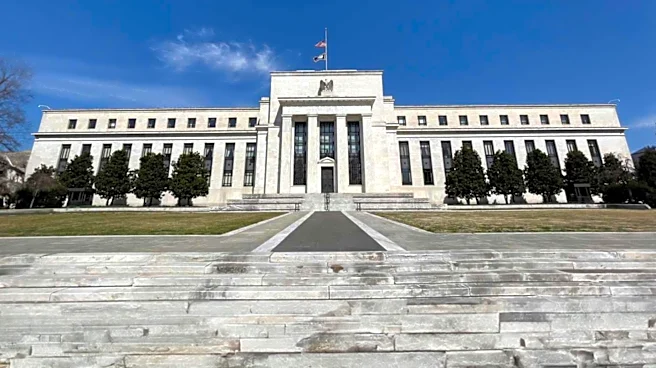
Economist Peter Schiff forecasts significant increases in silver and gold prices, predicting silver could reach $200 per ounce and gold $10,000. He attributes these potential rises to the Federal Reserve's handling of the national debt, which he believes
will lead to inflation as a means to manage the debt burden. Schiff argues that the Fed's inability to stabilize prices without causing a financial crisis will result in higher inflation, benefiting precious metals. He also suggests that the US dollar's status as the global reserve currency may decline, with gold taking its place.
Why It's Important?
Schiff's predictions highlight concerns about the US's fiscal policy and its implications for the global economy. If his forecasts materialize, it could lead to significant shifts in investment strategies, with increased interest in precious metals as a hedge against inflation. This scenario could also impact the valuation of mining companies and alter the dynamics of global financial markets. The potential decline of the US dollar as the reserve currency could have far-reaching effects on international trade and economic stability.
Beyond the Headlines
Schiff's views reflect broader debates about the sustainability of current economic policies and the role of central banks in managing national debt. His predictions, while controversial, underscore the potential for significant economic shifts if inflationary pressures increase. The transition from the US dollar to gold as a reserve currency would mark a profound change in the global financial system, affecting everything from currency exchange rates to international lending practices.