



What's Happening?
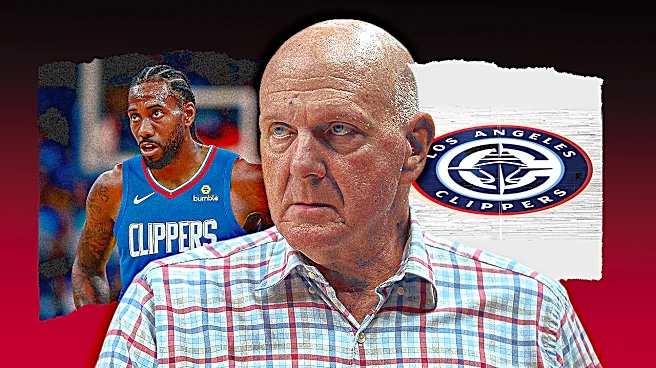
The National Basketball Association (NBA) has imposed severe penalties on the Los Angeles Clippers, including a $30 million fine and the forfeiture of five first-round draft picks. These sanctions stem from a year-long investigation into salary cap circumvention
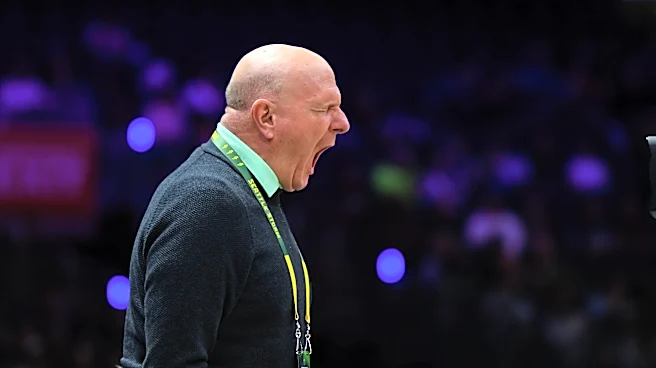
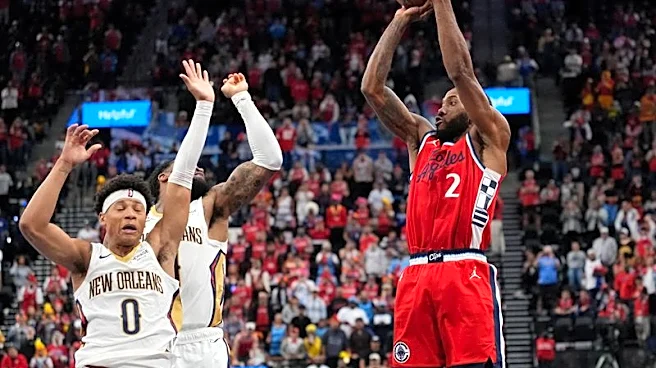
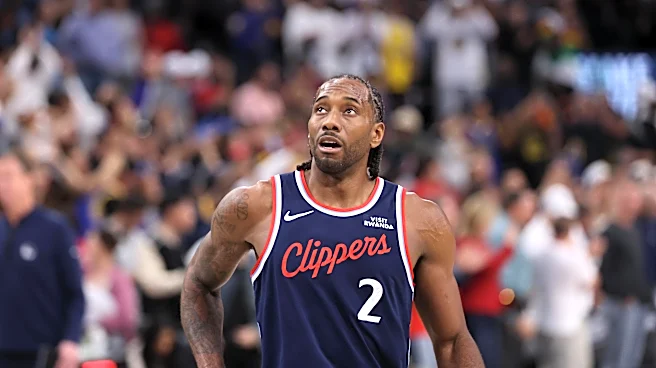
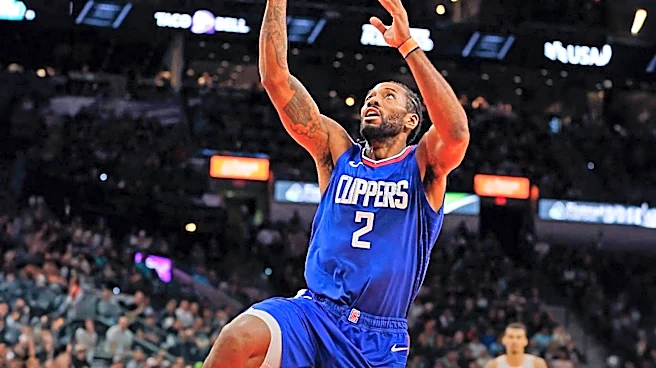
tied to the acquisition of player Kawhi Leonard. The NBA's independent probe uncovered a pattern of misconduct and multiple significant rules violations by the Clippers organization. Specifically, the investigation found that Clippers owner Steve Ballmer knowingly sought to help Leonard obtain off-court income opportunities, and Leonard, through his business manager Dennis Robertson, pressured the Clippers for such arrangements. Ballmer has been suspended from all league and team activities for one year, and Leonard is required to pay the league $700,000 for his violations. Additionally, Gillian Zucker, President of Business Operations, received a one-year unpaid suspension, and Lawrence Frank, President of Basketball Operations, was suspended without pay for six months. The Clippers will also be subject to a five-year NBA-monitored compliance program.
Why It's Important?
This ruling by the NBA underscores the league's commitment to maintaining the integrity of its salary cap rules, which are designed to promote competitive balance among teams. The substantial financial penalty and the loss of five first-round draft picks (2029, 2030, 2031, 2032, and 2033) will significantly impact the Clippers' ability to build their roster through future drafts, potentially hindering their long-term competitiveness. The suspension of key executives, including owner Steve Ballmer, sends a strong message about accountability at all levels of team management. This case highlights the ongoing challenges sports leagues face in preventing circumvention of financial regulations, especially when star players are involved. For other NBA franchises, this serves as a stark warning against engaging in similar practices, reinforcing the potential for severe repercussions that can affect a team for years.
What's Next?
The Los Angeles Clippers have stated their intention to "vigorously challenge" the NBA's findings and penalties through arbitration, indicating a potential legal battle ahead. They claim the investigation was biased and that the league's public statements differ from private communications. Kawhi Leonard, while accepting responsibility for "lapses in judgment by people within his inner circle," expressed his focus on returning to the Toronto Raptors and moving forward. The NBA's five-year compliance program will subject the Clippers to ongoing scrutiny, ensuring adherence to league rules. The outcome of the arbitration process could either uphold or modify the current penalties, setting a precedent for future cases of alleged salary cap circumvention within the league. The situation will likely continue to be a significant topic of discussion within the NBA and among its fan base.
Beyond the Headlines
This incident delves into the complex ethical landscape of professional sports, where the pursuit of competitive advantage can sometimes lead to practices that blur the lines of fair play. The involvement of off-court income opportunities for players, and the alleged pressure from player representatives, highlights the intricate web of relationships and financial incentives that exist beyond standard player contracts. The NBA's strong response reflects a broader effort to protect the league's economic structure and ensure that team success is primarily built through legitimate means. This case could prompt a re-evaluation of existing rules and enforcement mechanisms across professional sports to prevent similar situations. It also raises questions about the responsibility of star athletes to ensure their representatives operate within league guidelines, and the potential for reputational damage even when direct knowledge of wrongdoing is denied.