



What's Happening?
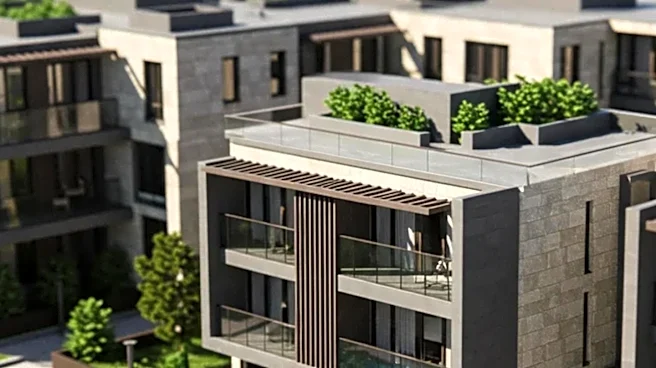
MAA Legacy Pines is offering luxury apartments for rent in Houston, Texas, with units available in 1, 2, and 3-bedroom configurations. Rent for these units starts at $908. The complex provides a range of amenities, including a fitness center and luxe
finishes within the apartments. Prospective residents are subject to various fees, including application deposits ranging from $150 to $250 per application, an $85 application fee, and a $250 processing fee at the time of move-in. Monthly recurring fees include an $18 community fee and an $85 MAA Connect fee. Optional fees cover pet rent and garage rentals, with pet fees at $300 for one pet and $600 for two pets, and monthly pet rent at $15 for one pet and $30 for two pets. Garage rentals start at $85 per month, and parking starts at $15 per month. The community also offers a sMAArt Savings program as an alternative to a traditional security deposit, requiring a one-time, non-refundable fee for half the cost of the normal deposit.
Why It's Important?
The availability of luxury apartments like those at MAA Legacy Pines in Houston reflects a continuing trend in the U.S. housing market towards upscale rental options, particularly in growing urban centers. This development is significant for the real estate and construction industries, indicating sustained investment in high-end residential properties. For potential residents, the detailed breakdown of fees and optional services highlights the comprehensive cost structure associated with luxury rentals, which can influence budgeting and housing decisions. The sMAArt Savings program, offering an alternative to traditional security deposits, could make these properties more accessible to a broader range of renters by reducing upfront costs, thereby impacting consumer spending patterns and financial planning. The emphasis on amenities such as fitness centers and luxe finishes also points to evolving consumer expectations for rental living, pushing developers to incorporate more value-added features to attract and retain tenants in competitive markets.
What's Next?
The Houston rental market will likely continue to see new developments and competitive offerings as demand for luxury living persists. MAA Legacy Pines' approach to pricing and amenities may influence other developers to adopt similar strategies, potentially leading to more standardized fee structures and amenity packages across the sector. The success of programs like sMAArt Savings could also prompt wider adoption of alternative security deposit options, which would further impact the financial landscape for renters and landlords. Future trends may include increased integration of smart home technology and additional lifestyle-oriented services to differentiate properties. The ongoing demand for housing in Houston, driven by population growth and economic activity, suggests that properties like MAA Legacy Pines will remain a key component of the city's residential landscape, with potential for further expansion and diversification of rental offerings.
Beyond the Headlines
The rise of luxury apartment complexes like MAA Legacy Pines points to broader societal shifts, including a growing preference for rental living over homeownership, particularly among younger generations and those seeking flexibility. This trend has implications for urban planning, as it concentrates populations in denser areas and increases demand for local services and infrastructure. The detailed fee structures, while transparent, also highlight the increasing complexity of rental agreements, which can sometimes be a barrier for individuals navigating the housing market. The focus on 'luxe finishes' and extensive amenities reflects a consumer culture that values convenience and premium experiences, even in rental properties. This could lead to a widening gap between high-end and more affordable housing options, posing challenges for housing equity and accessibility in major U.S. cities. The sMAArt Savings program, while beneficial for some, also represents a financial product that shifts risk and cost, warranting closer examination of its long-term impact on renter financial health.