


What's Happening?
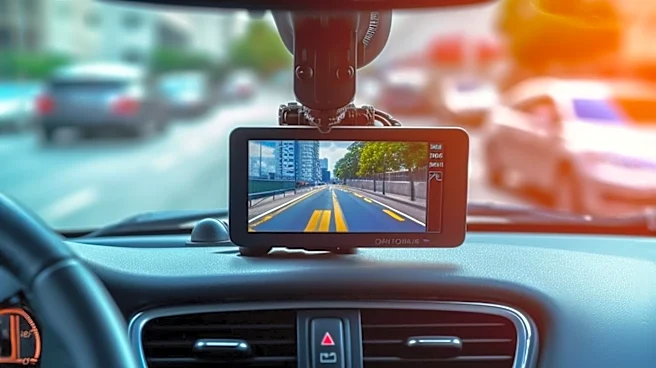
Stellantis, the parent company of Chrysler, announced a recall of nearly one million vehicles worldwide due to a radio software issue that may prevent rearview cameras from displaying images correctly. Approximately 955,000 Chrysler, Jeep, Dodge, and
Ram vehicles are affected by this recall. The majority of these, over 848,000, are in the U.S., encompassing various 2026 and 2027 model year vehicles including the Chrysler Pacifica, Pacifica Plug-in Hybrid, Voyager, Dodge Charger, Jeep Cherokee, Compass, Gladiator, Grand Cherokee, Grand Wagoneer, Wrangler, and Ram 1500, 2500, and ProMaster. An additional 107,000 vehicles are being recalled in Canada, Mexico, and other international markets. Stellantis has stated that it is not aware of any accidents or injuries linked to this defect. Drivers are advised to use their rearview and side mirrors if the camera display fails to appear. The National Highway Traffic Safety Administration (NHTSA) mandated rear-visibility technology in new vehicles under 10,000 pounds by May 2018, citing an average of 210 deaths and 15,000 injuries annually from back-over crashes.
Why It's Important?
This recall highlights the critical role of software in modern vehicle safety systems and the potential widespread impact of software glitches. Rearview cameras are a mandatory safety feature designed to prevent back-over accidents, which historically have caused significant fatalities and injuries, particularly among young children. A malfunction in this system could compromise driver safety and increase the risk of collisions. For Stellantis, this recall represents a significant logistical and financial undertaking, impacting its brand reputation and potentially leading to increased scrutiny from regulatory bodies like the NHTSA. The incident underscores the ongoing challenges automakers face in integrating complex software systems while ensuring reliability and compliance with stringent safety standards. Consumers rely on these technologies for enhanced safety, and any failure erodes trust in advanced vehicle features.
What's Next?
Vehicle owners affected by the recall will receive an over-the-air radio software update. Stellantis will prompt owners on their vehicle's media screen when the update becomes available. Additionally, recall notices containing further information and instructions will be mailed to owners starting next month. The company will need to ensure a smooth and effective deployment of the software update to rectify the issue for nearly a million vehicles globally. Regulatory bodies, particularly the NHTSA in the U.S., will likely monitor the recall process to ensure compliance and effectiveness. This event may also prompt Stellantis and other automakers to review their software development and quality assurance protocols to prevent similar issues in future vehicle models, emphasizing the importance of robust testing before vehicle release.
Beyond the Headlines
The increasing reliance on software in automotive systems introduces new layers of complexity and potential vulnerabilities. This recall underscores a broader industry trend where software defects can lead to large-scale safety issues, moving beyond traditional mechanical failures. It also highlights the evolving nature of vehicle maintenance, with over-the-air updates becoming a standard method for addressing software-related problems, akin to how smartphones receive updates. This shift requires automakers to develop robust cybersecurity measures to protect these update mechanisms from malicious interference. Furthermore, the incident could fuel discussions about the adequacy of current regulatory frameworks in addressing software-related safety concerns in the rapidly advancing automotive technology landscape, potentially leading to new guidelines or stricter enforcement for software validation in vehicles.